UV laser engraving machine
UV laser engraving machines offer accuracy and versatility, making them essential tools in various industries for detailed and efficient material processing.
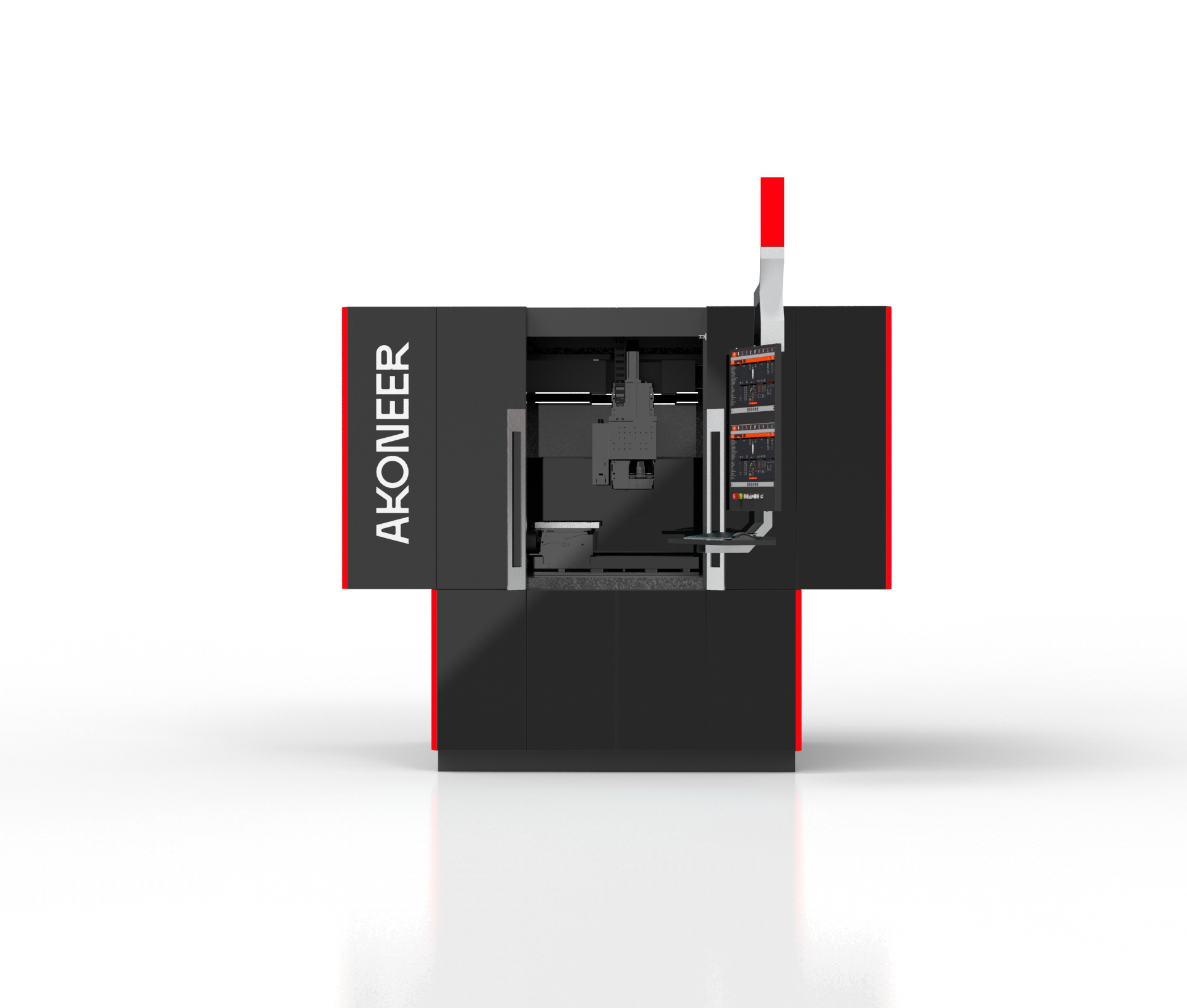
In the realm of modern manufacturing and design, the UV laser engraving machine stands out as a powerful tool that blends precision with versatility. This technology has become increasingly vital across various industries, offering unmatched accuracy and a wide array of applications. This article delves into the fundamental aspects of UV laser engraving machines, including their operational principles, applications, benefits, and considerations for potential users.
Principles of UV laser engraving
UV laser engraving machines operate on the principle of photochemical ablation. Unlike conventional lasers that rely on thermal energy to engrave materials, UV lasers use ultraviolet light to directly break molecular bonds. This process results in precise and clean engravings without the thermal damage typically associated with infrared or CO2 lasers. The short wavelength of UV light, generally around 355 nanometers, allows it to focus on a smaller spot, enhancing its precision. This makes UV lasers ideal for applications that require fine detail and minimal material distortion, achieving repeatability of ±0.02 mm.
Applications across diverse industries
The versatility of UV laser engraving machines makes them invaluable in numerous sectors. In the electronics industry, they are used for marking circuit boards and delicate components without causing heat damage. For example, a leading electronics manufacturer implemented UV laser engraving to mark circuit boards, reducing product failure rates by 15%. The jewelry industry benefits from their ability to engrave intricate designs with precision. In the medical field, UV lasers are employed to mark surgical instruments and implants, ensuring traceability and compliance with stringent regulations. Furthermore, the packaging industry uses UV laser engraving for creating secure and detailed markings on products, enhancing brand protection and consumer trust.
Advantages of UV laser engraving machines
UV laser engraving machines offer several significant benefits. They can engrave a wide variety of materials, including metals, plastics, glass, and ceramics. This flexibility allows manufacturers to use a single machine for multiple applications, reducing costs and increasing efficiency. The non-contact nature of UV laser engraving ensures there is no physical wear and tear on the machine or the material, leading to longer machine life and reduced maintenance costs. Additionally, the high precision of UV lasers results in superior quality engravings, enhancing the appearance and functionality of the final product. With power outputs ranging from 2 to 6 kW, these machines can handle diverse tasks efficiently.
Considerations for choosing a UV laser engraving machine
When selecting a UV laser engraving machine, several factors should be considered to ensure optimal performance and value. The laser's power output is critical as it determines the machine’s ability to engrave various materials. A higher power output allows for deeper engravings and faster processing times but may also increase the risk of material damage if not properly managed. The machine’s software compatibility and ease of use are important, affecting the user’s ability to design and execute precise engravings efficiently. Furthermore, potential buyers should consider the machine’s size and the available workspace, ensuring that the equipment fits within their operational environment.
Economic and environmental impact
The economic and environmental impacts of UV laser engraving machines are noteworthy. Economically, these machines can lead to significant cost savings by reducing the need for consumables such as inks and labels. The precision and efficiency of UV laser engraving minimize material wastage, further enhancing cost-effectiveness. Environmentally, UV laser engraving is a cleaner process compared to traditional methods that involve harmful chemicals or excessive energy consumption. The minimal heat generation and lack of chemical byproducts make it an eco-friendly option, aligning with the growing emphasis on sustainable manufacturing practices.
Future prospects and innovations
The future of UV laser engraving machines looks promising, with ongoing advancements in laser technology poised to enhance their capabilities further. Innovations in laser source technology could lead to even shorter wavelengths and higher power outputs, expanding the range of materials that can be engraved with precision. The integration of artificial intelligence and machine learning into laser engraving systems is another exciting prospect. This could automate the engraving process, optimize settings for different materials, and improve overall efficiency. As industries continue to evolve, the demand for high-precision and versatile engraving solutions will drive the development and adoption of UV laser technology.
UV laser engraving machines represent a significant advancement in the field of material processing. Their precision, versatility, and environmental benefits make them an attractive option for a wide range of industries. By understanding the principles, applications, and considerations associated with these machines, businesses can make informed decisions that enhance their operational efficiency and product quality. With ongoing innovations, the potential for UV laser engraving machines to revolutionize manufacturing and design processes continues to grow, offering exciting possibilities for the future.