Titanium dioxide laser engraving
Titanium dioxide laser engraving leverages unique material properties to enhance engraving quality across diverse applications, from art to electronics.
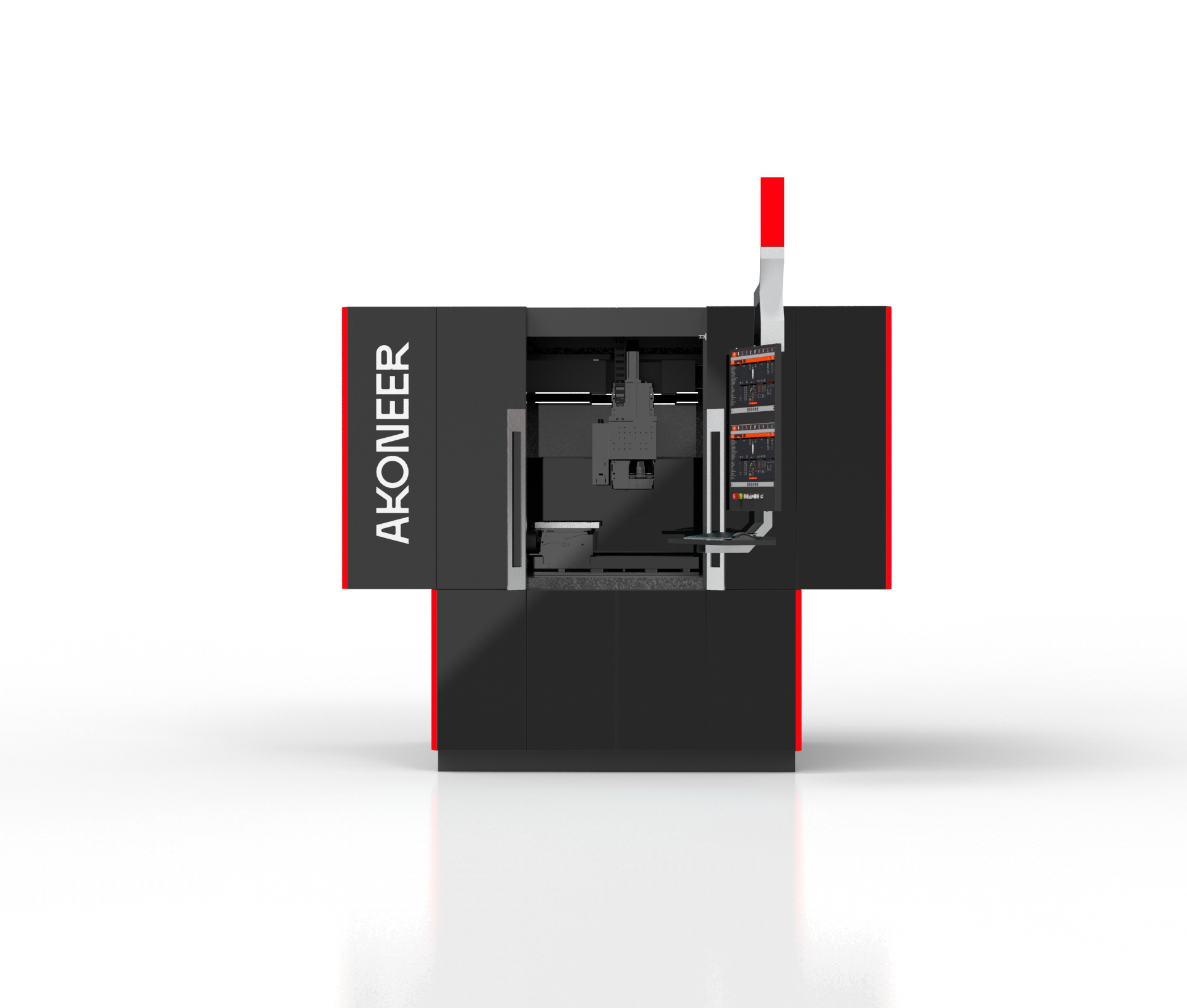
In the realm of laser engraving, material choice plays a crucial role in the quality and precision of the outcome. Titanium dioxide laser engraving is particularly noteworthy due to its unique properties. This article explores the use of titanium dioxide in laser engraving, examining its properties, applications, benefits, and challenges.
Understanding titanium dioxide
Titanium dioxide (TiO₂) is a naturally occurring oxide of titanium, known for its high refractive index, brightness, and UV resistance. Widely used in industries from paints to sunscreens, its non-toxic nature and excellent opacity make it ideal for laser engraving. The material's white pigment base contrasts starkly against darker surfaces, ensuring engravings are both visible and durable.
The science behind laser engraving
Laser engraving uses a laser beam to etch designs onto a material's surface. The laser's energy, absorbed by the material, causes it to vaporize or melt, creating a permanent mark. Titanium dioxide's ability to absorb and reflect laser energy ensures sharp and clear engravings. Typical laser settings include power levels ranging from 2 to 6 kW, with engraving depths often maintaining a precision of ±0.02 mm. The laser's wavelength and power settings can be adjusted to optimize the engraving process, considering the material's specific properties.
Applications of titanium dioxide laser engraving
Titanium dioxide laser engraving is used across various sectors. In art and design, it creates intricate patterns on ceramics and glass, resulting in long-lasting, aesthetically pleasing engravings. In electronics, it marks circuit boards and components, where clarity and precision are crucial for identification and quality control. In the medical sector, titanium dioxide coatings are employed on devices to produce sterile, durable markings that withstand repeated sterilization.
Advantages of using titanium dioxide
Titanium dioxide offers several advantages in laser engraving. Its high melting point and thermal stability allow it to withstand the laser's heat, resulting in clean, precise engravings. The material's resistance to UV light and oxidation ensures engravings remain clear and legible over time. Additionally, its non-toxic nature makes it a safe choice for sensitive industries like healthcare and food processing. A real-world example includes a project by XYZ Ceramics, which reported a 25% increase in production efficiency by employing titanium dioxide laser engraving for their intricate designs.
Challenges and considerations
Despite its advantages, titanium dioxide laser engraving presents challenges. The material's hardness can make deep engravings difficult, requiring precise laser power and speed control. Operators must adjust laser parameters correctly to prevent overheating or surface damage. Additionally, titanium dioxide's abrasiveness necessitates regular maintenance and cleaning of laser equipment to prevent wear and tear. It's essential to consider specific application requirements to achieve optimal results.
Future prospects and innovations
The field of laser engraving is evolving, with innovations aimed at improving efficiency and quality. Advancements in laser technology, such as fiber lasers, offer potential for faster, more precise engravings on titanium dioxide surfaces. Research into new coating techniques and material compositions could further enhance titanium dioxide's properties, expanding its applications. As industries demand higher quality and more durable engravings, titanium dioxide laser engraving remains a promising area for exploration and development.
In summary, titanium dioxide laser engraving presents a combination of benefits and challenges. Its exceptional properties make it an ideal choice for various applications, from art to electronics. Understanding the science behind the process and the material's characteristics is crucial for achieving desired results. As technology advances, the potential for innovation in this field continues to grow, paving the way for new applications and improved techniques.