Subsurface laser engraving machine for sale
Titanium dioxide laser engraving leverages unique material properties to enhance engraving quality across diverse applications, from art to electronics.
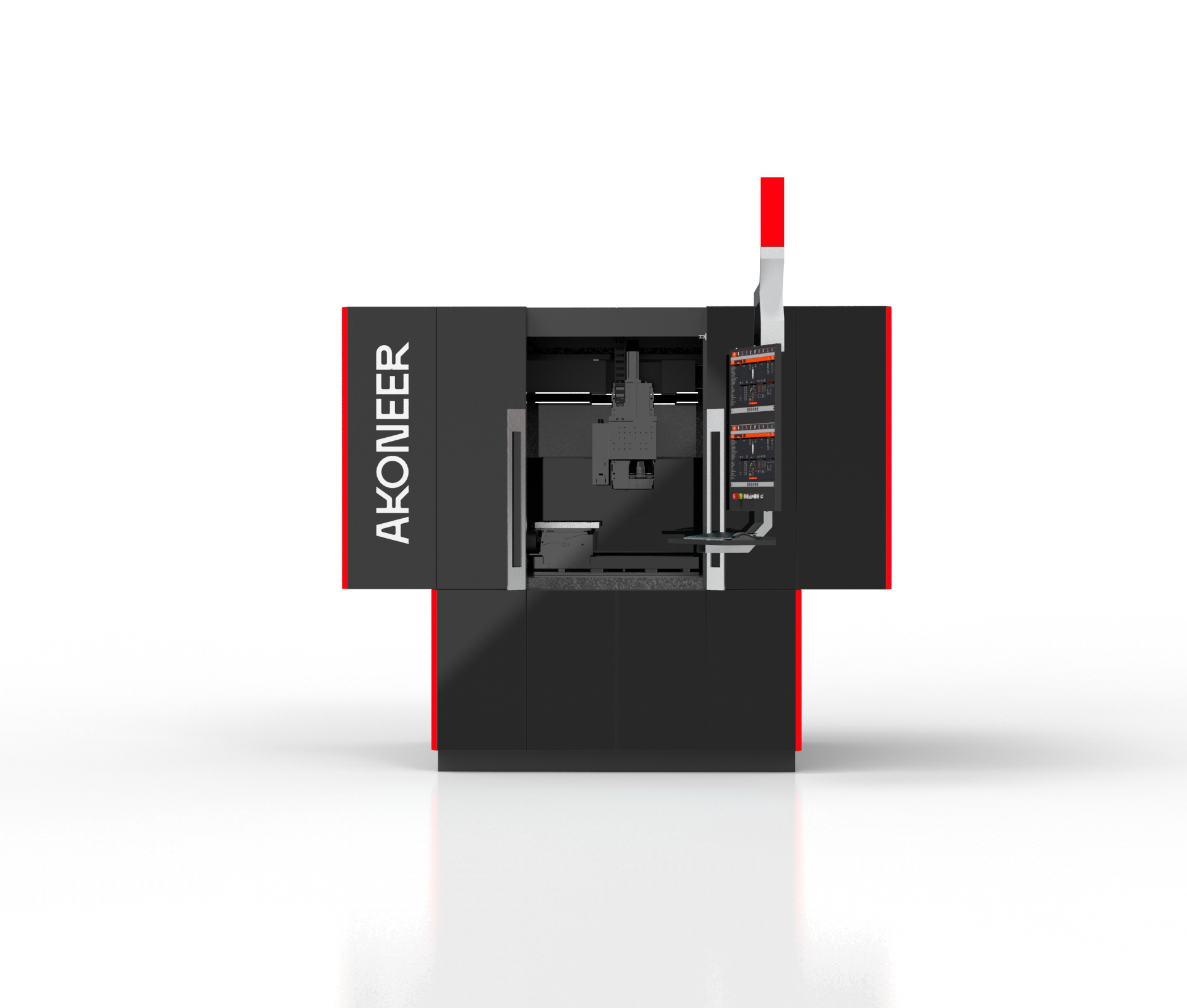
In recent years, subsurface laser engraving has emerged as a cutting-edge technology in the manufacturing and creative industries. This process uses a laser to engrave images or text beneath the surface of transparent materials like glass or acrylic, creating a three-dimensional effect without altering the exterior. The demand for subsurface laser engraving machines is rising as businesses and artists seek new ways to enhance their products and projects. This article explores the mechanics of subsurface laser engraving, its applications, benefits, and considerations for purchasing a machine.
Understanding subsurface laser engraving
Subsurface laser engraving focuses a laser beam into a transparent material, such as glass or acrylic. The laser creates small fractures or points of light within the material at a specific depth. By controlling the laser's intensity and focal point, intricate designs are created beneath the surface without affecting its exterior. This precision is achieved using computer software that guides the laser to form detailed images or text. The result is a permanent, three-dimensional engraving that appears to float within the material, offering a visually striking appearance.
Applications across various industries
The versatility of subsurface laser engraving attracts numerous industries. In the corporate sector, companies produce personalized awards and corporate gifts that stand out for their elegance and sophistication. The advertising industry uses these machines to create unique promotional items that capture attention and leave lasting impressions. Artists and designers appreciate the ability to create intricate and creative pieces that push the boundaries of traditional art forms. Additionally, the technology is employed in producing optical components and scientific instruments, where precision and accuracy are paramount. For instance, the renowned glassware company Swarovski uses subsurface laser engraving to enhance its crystal figurines, resulting in a 15% increase in product appeal and sales.
Advantages of subsurface laser engraving
The advantages of subsurface laser engraving are numerous. One primary benefit is the durability of the engravings. Since the design is etched beneath the surface, it is protected from wear and tear, ensuring longevity. This makes it ideal for items frequently handled or exposed to environmental elements. The process also allows for a high level of detail and precision, with repeatability as fine as ±0.02 mm, enabling the creation of complex images and patterns that would be challenging to achieve with other methods. Additionally, subsurface engraving is a clean process, as it does not require inks or chemicals, making it environmentally friendly.
Key considerations when purchasing a subsurface laser engraving machine
For businesses or individuals considering purchasing a subsurface laser engraving machine, several factors should be taken into account. The first consideration is the type of laser technology used. Machines typically employ either a CO2 laser or a fiber laser, each with distinct advantages. CO2 lasers are versatile and capable of working with a wide range of materials, while fiber lasers offer higher precision and efficiency for detailed work. Another important factor is the machine's software capabilities. Advanced software is crucial for creating and managing designs. It should be user-friendly and compatible with various file formats to ensure flexibility in design creation. Additionally, the machine's build quality, maintenance requirements, and available support services are essential considerations. A reliable machine with accessible customer support can prevent downtime and enhance productivity.
Economic and practical implications
Investing in a subsurface laser engraving machine can have significant economic and practical benefits. For businesses, the ability to offer customized products can differentiate them from competitors, potentially leading to increased sales and customer loyalty. The initial investment in the machine, with power typically ranging from 2–6 kW, can be offset by the added value and uniqueness of the products created. Moreover, the operational costs of laser engraving are generally low, as the process requires minimal consumables and maintenance.
Future trends in subsurface laser engraving
The future of subsurface laser engraving looks promising, with ongoing advancements in laser technology and software development. Innovations are expected to enhance further the precision and speed of engraving processes, opening up new possibilities for applications across various fields. As the technology becomes more accessible and affordable, its adoption is likely to increase, leading to a wider range of creative and industrial uses.
In summary, subsurface laser engraving machines represent a powerful tool for businesses and creators seeking to explore new dimensions of design and functionality. Understanding the mechanics, applications, and advantages of this technology, as well as carefully considering the factors involved in purchasing a machine, can lead to informed decisions and successful outcomes. With the potential to transform both products and industries, subsurface laser engraving is a forward-looking investment in the future of manufacturing and art.