Stainless steel laser marking machine
Stainless steel laser marking machines offer efficient and versatile solutions, essential for various industries such as manufacturing, automotive, medical, and aerospace.
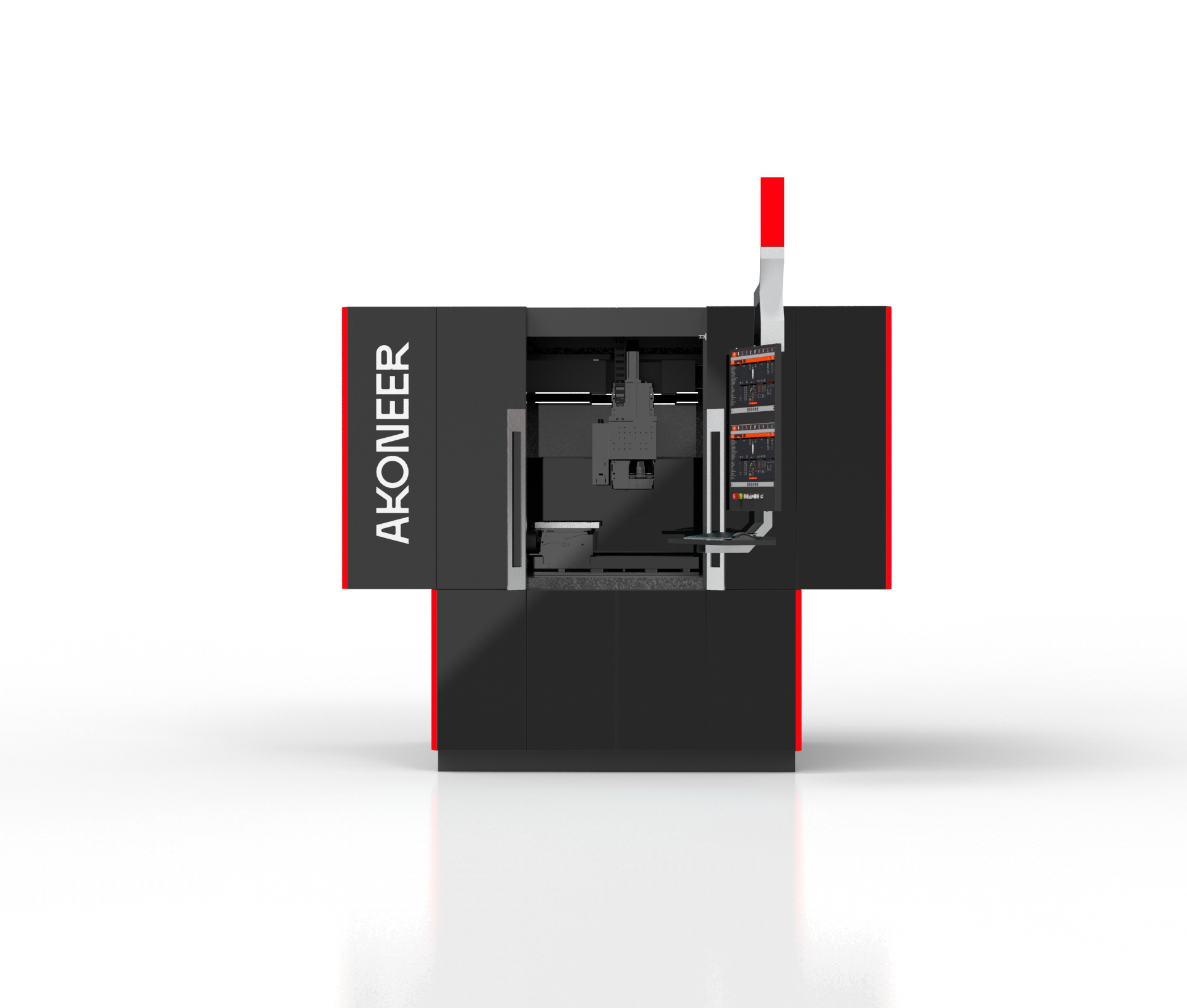
The advent of laser marking technology has revolutionized various industries by offering precise, efficient, and versatile solutions for marking materials. A notable advancement is the stainless steel laser marking machine, now vital in sectors such as manufacturing, automotive, medical, and aerospace. This article explores the capabilities, advantages, and applications of stainless steel laser marking machines, underscoring their role in modern industry.
Understanding laser marking technology
Laser marking is a non-contact process using a focused laser beam to create permanent marks on material surfaces. The technology employs a high-intensity light beam to etch, engrave, or mark surfaces without physical pressure. Unlike traditional methods, laser marking does not wear out or damage materials. It utilizes techniques like annealing, engraving, and etching to achieve desired outcomes, tailored to specific materials and applications, offering unmatched flexibility and precision.
Advantages of stainless steel laser marking machines
Stainless steel laser marking machines offer numerous benefits, making them a preferred choice across industries. They can produce high-quality, permanent marks with exceptional precision. The laser beam can create intricate designs, logos, barcodes, and serial numbers with clarity and consistency—crucial for industries requiring traceability and compliance with regulatory standards. Typically, these machines operate at power levels ranging from 2 to 6 kW, with repeatability of ±0.02 mm, and can handle steel thicknesses up to 20 mm.
Moreover, laser marking is a clean and environmentally friendly process, as it requires no inks, chemicals, or solvents, reducing waste and environmental impact. This aligns with the growing emphasis on sustainability and eco-friendly manufacturing practices. The speed and efficiency of laser marking machines are significant advantages. Capable of processing large volumes quickly, they are ideal for high-production environments. Automation capabilities further enhance productivity by allowing seamless integration into production lines.
Applications in various industries
Stainless steel laser marking machines are employed in a wide array of industries due to their versatility and reliability. In manufacturing, they mark components and products with serial numbers, part numbers, and company logos, ensuring traceability and quality control essential for maintaining brand reputation and customer trust.
In the automotive industry, laser marking labels parts with identification codes, safety information, and compliance markings, crucial for maintaining safety standards and ensuring component authenticity. The medical industry benefits from laser marking technology for precise marking of surgical instruments, medical devices, and implants, ensuring compliance with stringent health and safety regulations.
In the aerospace sector, laser marking identifies parts and components that must withstand extreme conditions. The durability and permanence of laser marks are critical for ensuring the safety and reliability of aerospace equipment. Airbus, a leading aerospace manufacturer, uses stainless steel laser marking to enhance traceability and safety, resulting in a 15% reduction in component misidentification incidents.
Technical considerations and innovations
Stainless steel laser marking machines are equipped with advanced technologies that enhance functionality and performance. Fiber lasers are commonly used due to their ability to generate high-quality marks with minimal maintenance. They offer excellent beam quality and stability, suitable for marking complex designs on stainless steel surfaces.
Innovations in laser marking technology continue to improve machine capabilities. For instance, the development of software allowing precise control over the marking process enables easy customization of marks. Additionally, advancements in machine vision systems facilitate real-time monitoring and quality assurance during marking.
Challenges and future prospects
Despite numerous advantages, challenges exist with stainless steel laser marking machines. The initial investment can be significant for small businesses, but long-term benefits, such as reduced operational costs and increased productivity, often outweigh initial expenses. The need for skilled operators to manage and maintain these machines is another challenge. As technology advances, continuous training and education are necessary to ensure operators remain proficient in utilizing the latest features and capabilities.
Looking ahead, the future of stainless steel laser marking machines is promising. Ongoing development of laser technology will likely result in more efficient, cost-effective, and versatile solutions. As industries continue to prioritize sustainability and precision, laser marking machines will play a crucial role in meeting these demands.
In summary, stainless steel laser marking machines provide robust and reliable solutions for various industrial applications. Their precision, efficiency, and environmental benefits make them essential tools in modern manufacturing and production. As technology evolves, the potential of laser marking machines will expand, further solidifying their place in the industrial landscape.