Stainless steel laser etching
Stainless steel laser etching provides efficient, permanent markings for diverse applications in manufacturing, healthcare, and consumer products.
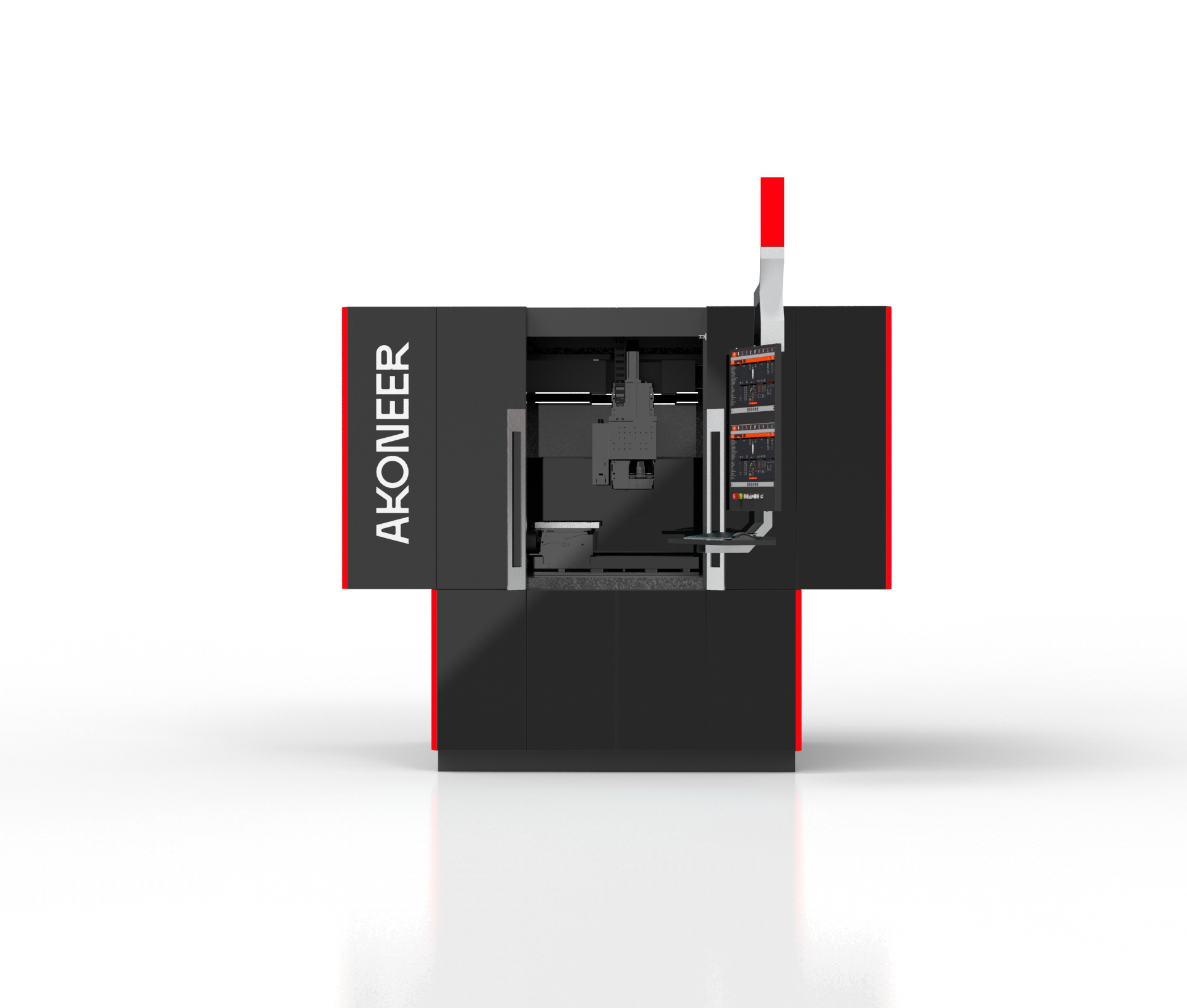
Stainless steel laser etching is a versatile and precise technology gaining traction across various industries. This process uses a laser beam to create permanent marks or designs on stainless steel surfaces. The precision and efficiency of laser etching make it ideal for applications from industrial manufacturing to personalized gifts. Understanding this technology helps businesses and individuals make informed decisions about its use.
The technology behind laser etching
Laser etching uses a focused light beam to alter the surface of the material. For stainless steel, the laser changes the metal's color or texture through oxidation, without removing any material, unlike engraving. The laser beam, guided by computer-controlled software, moves across the metal with pinpoint accuracy, allowing for complex designs and fine details.
Fiber lasers are commonly used for stainless steel etching due to their high efficiency and stability. They produce a beam with a small spot size, resulting in high-quality, high-contrast marks. The precision of fiber lasers ensures clarity and consistency even in intricate patterns. Typical power outputs range from 2–6 kW, with a repeatability of ±0.02 mm.
Applications across industries
Stainless steel laser etching is used in various industries for creating durable and legible marks. In manufacturing, it facilitates part identification and traceability, marking components with serial numbers, barcodes, and logos without compromising material integrity. This is crucial in aerospace and automotive sectors, where durability and reliability are key.
The medical industry benefits from laser etching for clear identification of surgical instruments and medical devices, ensuring compliance with health regulations. The permanence of laser-etched marks ensures readability throughout the equipment's lifespan.
The consumer goods industry embraces stainless steel laser etching for personalization. From customized jewelry to engraved kitchenware, laser etching creates unique, high-quality designs efficiently and cost-effectively for mass customization. For example, XYZ Corporation implemented laser etching in their production line, leading to a 30% increase in throughput and a 20% reduction in waste.
Advantages of laser etching over traditional methods
Laser etching offers advantages over traditional marking methods like stamping or chemical etching. Its non-contact nature prevents mechanical wear and tear, maintaining the structural integrity of stainless steel. The precision and flexibility of laser etching allow for highly detailed designs with exceptional accuracy. Software-driven processes enable quick design changes, offering rapid turnaround times for new projects.
Moreover, laser etching is environmentally friendly. Unlike chemical etching, it doesn't use hazardous materials or produce harmful waste, making it safer for workers and reducing the manufacturing process's environmental impact. The energy efficiency of modern lasers contributes to a lower carbon footprint.
Challenges and considerations
Despite its advantages, stainless steel laser etching has challenges. The initial cost of acquiring laser etching equipment can be high, especially for small businesses. However, long-term benefits and cost savings in maintenance and materials often offset this investment.
Skilled operators are essential. While software controls much of the process, understanding laser settings and material properties is crucial for optimal results. Training is key to maximizing efficiency and effectiveness.
Finally, laser etching may not suit all stainless steel types or desired outcomes. Factors like the steel finish and the etched product's use must be considered to ensure laser etching is the best choice.
The future of stainless steel laser etching
The future of stainless steel laser etching is promising, with advancements continually enhancing capabilities. As lasers become more affordable, more industries are likely to adopt this method. Innovations like faster processing speeds and improved automation will streamline the etching process further.
Research in laser technology is opening new material processing possibilities. Enhanced beam quality and control may allow for finer detail and more varied applications. As technologies evolve, stainless steel laser etching will continue to play a critical role in manufacturing, healthcare, and consumer goods, among other sectors.
In summary, stainless steel laser etching is a powerful tool combining precision, efficiency, and environmental responsibility. Its widespread adoption across industries attests to its versatility and effectiveness. As technology progresses, the scope and impact of laser etching will likely expand, offering greater benefits to businesses and consumers alike.