Stainless steel laser engraving
Laser engraving on stainless steel combines accuracy and efficiency, offering durable and versatile marking solutions for various industries.
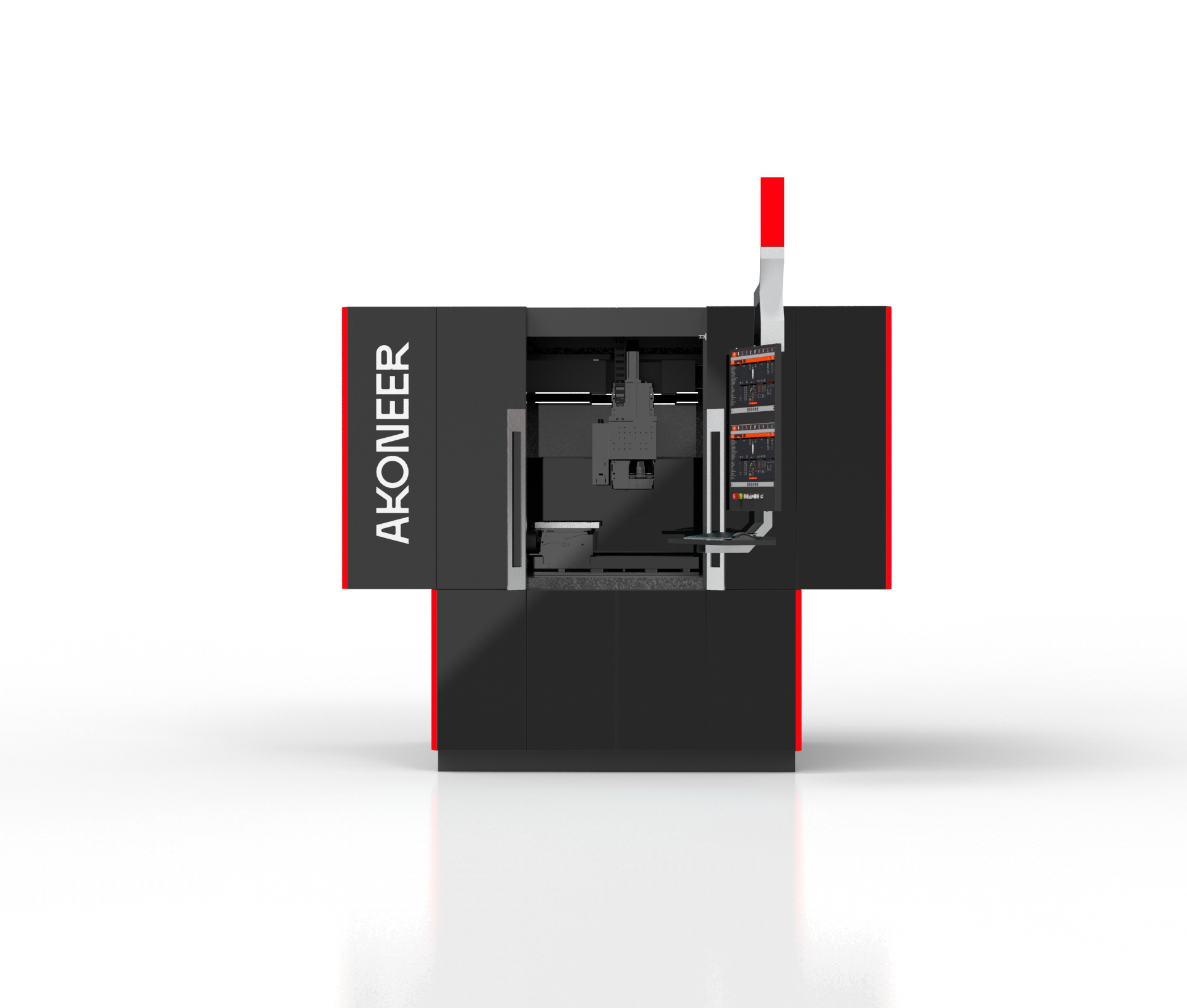
Stainless steel is a widely used material across various industries due to its durability, resistance to corrosion, and aesthetic appeal. Laser engraving has emerged as a popular method for marking stainless steel because of its precision, consistency, and high-quality results. At its core, laser engraving employs a concentrated beam of light to etch designs, text, or patterns onto the material's surface. The laser alters the surface by removing material or changing its properties, resulting in a permanent mark. The non-contact nature of laser engraving minimizes damage to surrounding areas, making it ideal for intricate designs.
The technology behind laser engraving
Laser engraving machines combine optics with computer-controlled systems. The laser source generates a beam of intense light at a specific wavelength, directed onto the stainless steel surface using mirrors and lenses. Operators can adjust the beam's focus to achieve desired depth and detail, with repeatability of ±0.02 mm. The computer system controls the movement and speed of the laser, allowing for precise and complex patterns. Typical lasers for engraving stainless steel include fiber lasers and CO2 lasers, with fiber lasers favored for their efficiency and ability to engrave at speeds up to 30 m min⁻¹.
Applications of laser engraving in various industries
The versatility of laser engraving makes it suitable for a wide range of applications. In manufacturing, it marks serial numbers, barcodes, and logos on components, ensuring traceability and brand recognition. In the medical field, stainless steel surgical instruments and implants are engraved with critical information for compliance. The automotive industry uses laser engraving for marking parts and accessories, while jewelers use it to add intricate designs to stainless steel jewelry. The aerospace sector also utilizes laser engraving for marking parts requiring precision and durability. For instance, BMW uses laser engraving to mark engine components, improving traceability and reducing recall costs by 15%.
Advantages of using laser engraving on stainless steel
Laser engraving offers significant advantages over traditional methods. Its precision and accuracy allow for detailed and intricate designs. The process is highly repeatable, ensuring consistent quality across large production runs. As a non-contact method, there is no physical wear on the engraving tool, reducing maintenance costs and downtime. Additionally, laser engraving is environmentally friendly, as it doesn't require harmful chemicals or consumables. The ability to engrave quickly and efficiently makes it a cost-effective solution for many businesses.
Challenges and considerations in laser engraving
Despite its benefits, laser engraving on stainless steel presents challenges. The reflectivity of stainless steel can affect engraving efficiency, requiring adjustments in laser power—typically between 2–6 kW—and speed. Proper ventilation is necessary to manage fumes and particles generated during engraving. Operators must consider the type of laser and its compatibility with the specific grade of stainless steel used, as different grades may react differently, affecting mark quality. Regular maintenance of laser equipment is essential for optimal performance and longevity.
Future trends in laser engraving technology
The laser engraving industry is continuously evolving, with advancements in technology driving new trends. One trend is the development of more powerful and efficient lasers that can engrave faster without compromising quality. The integration of artificial intelligence and machine learning is enhancing precision and automation in laser engraving processes. Additionally, there is a growing demand for environmentally sustainable practices, prompting manufacturers to innovate in ways that reduce energy consumption and waste. These trends are expected to expand the capabilities of laser engraving, opening up new possibilities across various industries.
Stainless steel laser engraving is a sophisticated technique that combines precision, efficiency, and versatility. It plays a crucial role in diverse industries, providing solutions for marking, branding, and customization. As technology advances, the potential applications and benefits of laser engraving continue to grow, making it a valuable tool for businesses looking to enhance their products and processes. Understanding the basics, benefits, and challenges of laser engraving ensures that companies can make informed decisions and leverage this technology to its fullest potential.