Stainless steel engraving laser
Laser technology enables efficient, permanent markings on stainless steel, enhancing applications across various industries.
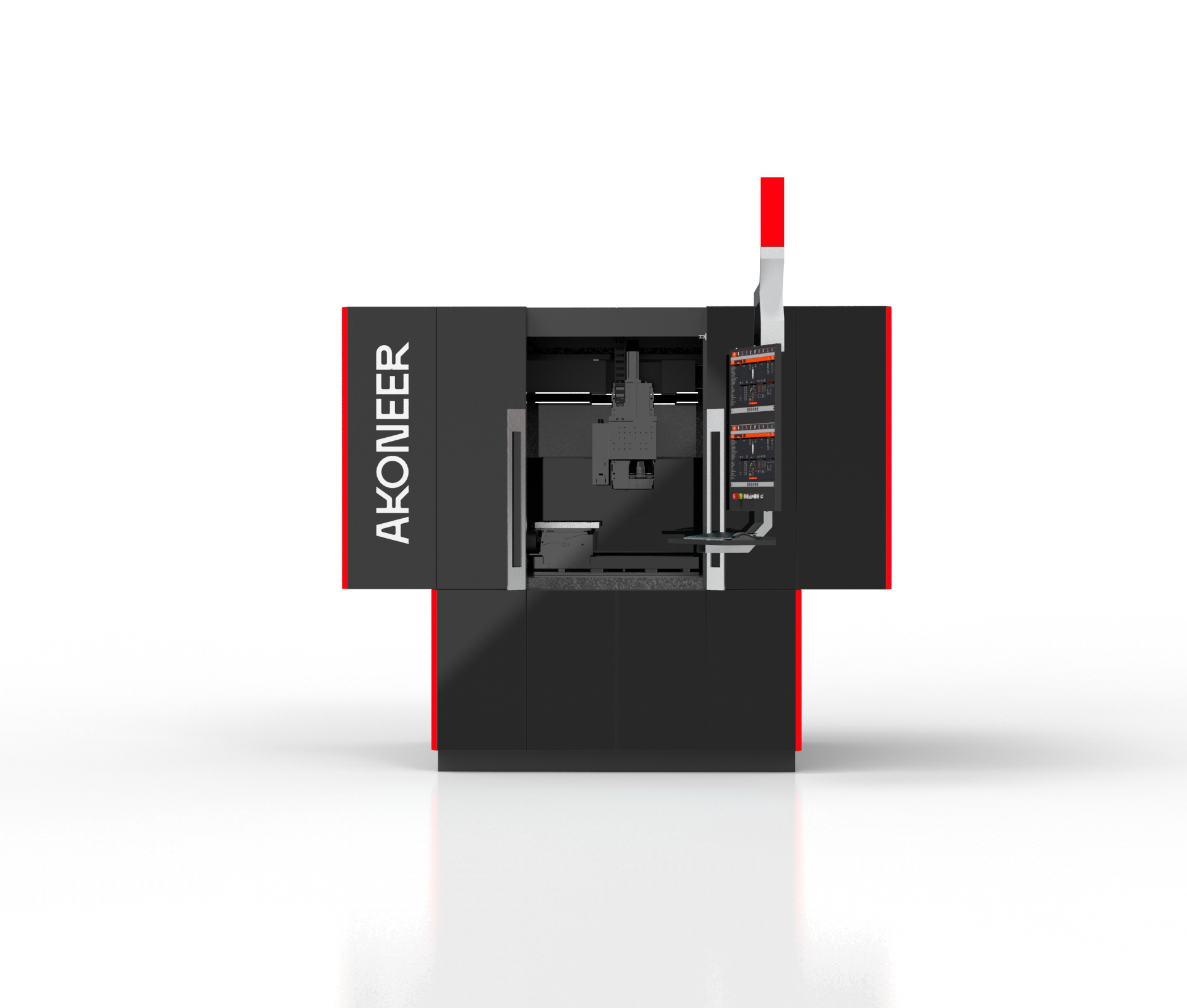
Stainless steel engraving laser technology has transformed the way industries and artisans approach marking and engraving tasks. By utilizing precise and efficient laser systems, this technology allows for permanent, high-quality markings on stainless steel surfaces. This article explores the fundamentals of stainless steel engraving lasers, their applications, advantages, and future prospects.
Understanding laser engraving technology
Laser engraving technology employs laser beams to engrave or mark surfaces. The laser emits a concentrated beam of light with enough energy to alter the material's surface. For stainless steel, the laser interacts with the metal's surface to create marks that are both precise and durable. This is achieved by focusing the laser to a specific wavelength, allowing it to heat the surface and either oxidize or remove material in a controlled manner. The process is non-contact, meaning the laser does not physically touch the metal, reducing wear and tear on tools and ensuring a clean, consistent result. Typical laser systems for this purpose operate at powers between 2–6 kW and can achieve repeatability of ±0.02 mm.
Applications of stainless steel engraving lasers
Stainless steel engraving lasers are highly versatile and find applications across numerous industries. In the automotive sector, they mark components with serial numbers, barcodes, and logos, ensuring traceability and authenticity. In the medical field, stainless steel surgical instruments require precise engravings for identification and compliance, efficiently achieved with laser technology. The aerospace industry relies on laser engraving for component tracking and safety labeling. Additionally, artisans and jewelers use these lasers to create intricate designs and personalized items, showcasing the technology’s ability to deliver both functional and aesthetic results. For instance, Boeing employs laser engraving for its aircraft parts, significantly enhancing component identification and reducing errors.
Advantages of using laser engraving on stainless steel
Laser engraving offers multiple advantages for stainless steel. Precision is one of the most significant, as lasers can produce extremely fine details, ideal for intricate patterns or small text. The process is efficient, achieving high-speed marking without compromising quality. Being a non-contact process minimizes the risk of damaging or deforming the stainless steel. Engraved marks resist wear, corrosion, and high temperatures, ensuring long-term legibility. Environmentally, laser engraving reduces waste and eliminates chemical etching processes, making it a more sustainable option.
Types of lasers used for stainless steel engraving
Various lasers are used for engraving stainless steel, each with distinct characteristics. Fiber lasers are the most common choice due to their efficiency and ability to produce high-quality engravings. These lasers have a long operational life and require minimal maintenance. CO2 lasers, although less common for metal engraving, can be used when combined with specialized coatings or surface treatments. YAG lasers, utilizing a solid-state medium, are known for their high power and versatility. The choice of laser depends on the specific application requirements, including desired speed, detail, and engraving durability.
Challenges and considerations in laser engraving
While stainless steel engraving lasers offer numerous benefits, challenges and considerations must be addressed. The cost of equipment can be a significant investment, particularly for small businesses or individual artisans. Operators need to be skilled in handling the equipment to maximize efficiency and quality. Safety is crucial, as laser systems pose risks if not used properly. Proper ventilation and protective eyewear are essential to safeguard operators from harmful fumes and laser exposure. Material properties, such as reflectivity and heat conductivity, influence the engraving process and may require adjustments to laser settings.
Future trends in stainless steel laser engraving
The future of stainless steel laser engraving is promising, with advancements in technology driving innovation and expanding possibilities. One trend is the integration of artificial intelligence and machine learning to optimize engraving processes and improve precision. AI can analyze patterns and adjust laser settings in real-time, enhancing both speed and quality. Additionally, developments in laser technology are leading to more compact and affordable systems, making them accessible to a broader range of users. As industries continue to demand more sustainable practices, laser engraving’s eco-friendly profile is likely to increase its adoption. The potential for customization and personalization also opens new avenues for creativity and design.
In summary, stainless steel engraving lasers represent a significant advancement in marking and engraving technologies. Their precision, versatility, and efficiency make them indispensable tools across various industries. As technology continues to evolve, stainless steel laser engraving will likely play an even larger role in shaping the future of manufacturing and design.