Stainless laser cutting
Laser cutting technology offers an efficient, accurate method for processing stainless steel, benefiting numerous industries with its speed and versatility.
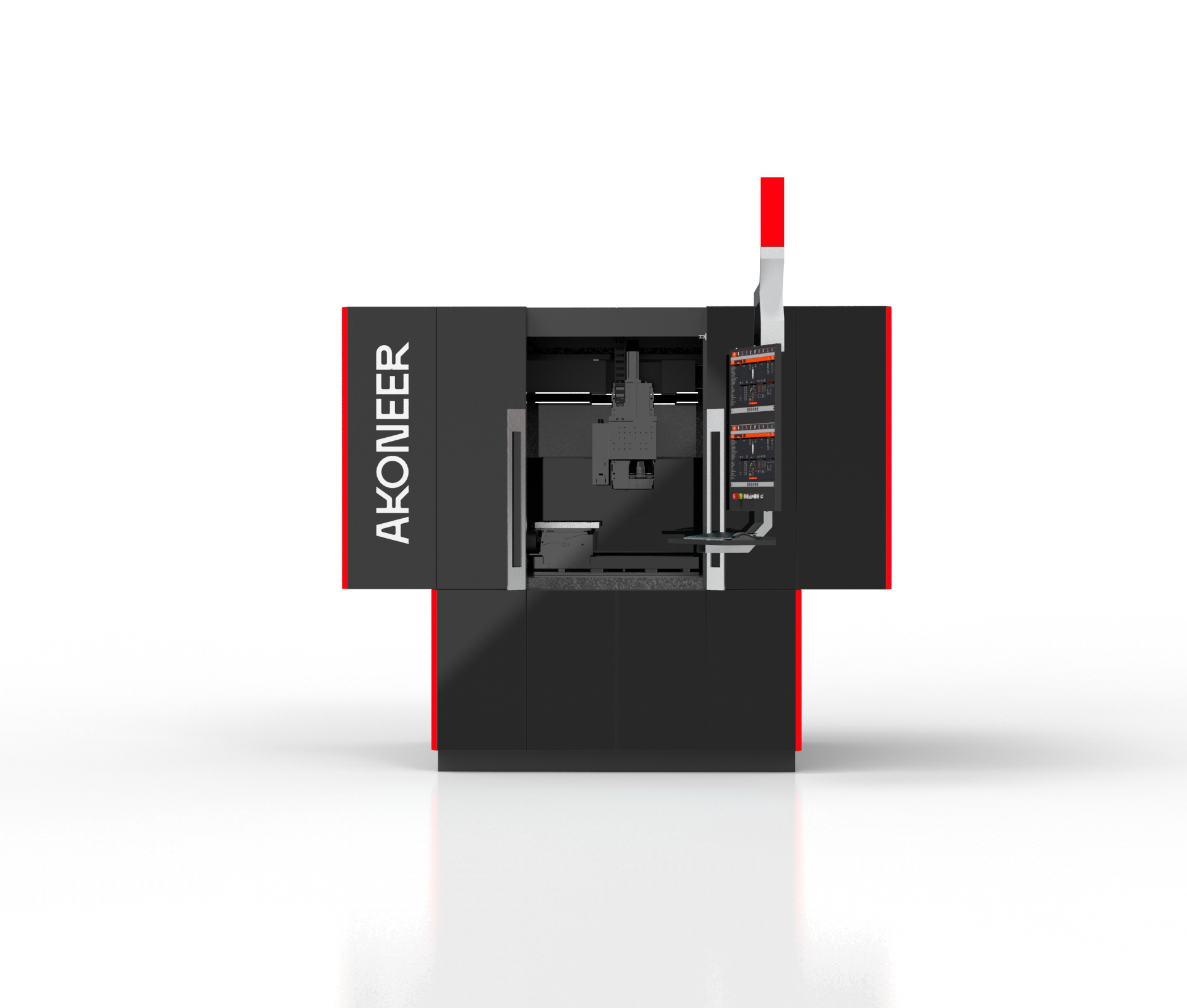
The art of cutting stainless steel has evolved significantly over the years, with laser cutting emerging as a leading technology. Laser cutting uses high-powered laser beams to slice through materials with exceptional precision. This method is particularly effective for stainless steel due to its accuracy, speed, and versatility. Stainless laser cutting is widely used in various industries, from automotive to aerospace, making it an essential tool in modern manufacturing.
The science behind laser cutting
Laser cutting technology focuses a laser beam onto the material's surface. The intense energy from the laser melts, burns, or vaporizes the material, creating a clean cut. The process often employs a computer numerical control (CNC) system for intricate designs and patterns. Operating at wavelengths that minimize resistance, the laser produces smooth, burr-free edges requiring little to no additional finishing.
The laser cutting process involves three main steps: laser generation, focusing the laser beam, and the cutting action itself. A laser generator produces the beam, which is then focused through lenses or mirrors to a very fine point. CNC systems control the cutting action, ensuring precision and repeatability, making it ideal for complex and detailed designs. Typical systems operate with power levels between 2–6 kW, achieve kerf widths around 0.1 mm, and can cut stainless steel up to 20 mm thick.
Advantages of stainless laser cutting
One of the primary advantages of laser cutting stainless steel is its precision. The laser beam's fine focus allows for extremely accurate cuts, with tolerances often within ±0.02 mm. This precision is critical in industries where exact specifications are necessary, such as the medical device industry, where components must meet stringent regulatory standards.
Speed is another significant advantage. Laser cutting is a rapid process that can reach cutting speeds of 30 m/min, handling large volumes of work swiftly. This efficiency reduces production time and costs, making it a cost-effective solution for manufacturers.
The versatility of laser cutting is also noteworthy. It can handle various thicknesses of stainless steel, from thin sheets to thick plates. Additionally, laser cutting can produce complex shapes and intricate designs that would be challenging or impossible to achieve with traditional cutting methods.
Applications in industry
Stainless laser cutting is used extensively across different sectors. In the automotive industry, it creates components like exhaust systems and engine parts, where precision and material integrity are crucial. The aerospace industry relies on laser cutting for lightweight yet durable parts, ensuring safety and performance standards are met.
In the construction industry, laser cutting is used for architectural elements and structural components, allowing for creative designs and efficient assembly. The medical field benefits from laser cutting for surgical instruments and implants, where precision and cleanliness are paramount.
Environmental impact and sustainability
Laser cutting is considered environmentally friendlier than traditional methods. It produces less waste due to its efficiency and precision, minimizing material removal. Additionally, laser cutting requires less energy than mechanical cutting, reducing the carbon footprint of manufacturing processes.
The reduction in post-processing work, such as grinding or sanding, also contributes to its environmental benefits. With smooth and precise cuts, there is less need for additional machining, conserving resources and energy.
Future developments in laser cutting technology
The field of laser cutting continues to evolve, with ongoing research and development leading to new innovations. Advances in laser technology, such as fiber lasers, are enhancing the capabilities of laser cutting machines. Fiber lasers offer higher efficiency and can cut through thicker materials more effectively than traditional CO2 lasers.
Automation is another area of growth, with fully automated laser cutting systems becoming increasingly popular. These systems integrate with other manufacturing processes, streamlining operations and further improving efficiency.
The use of artificial intelligence (AI) in laser cutting is also being explored. AI can optimize cutting paths, predict maintenance needs, and improve overall machine performance, reducing downtime and increasing productivity.
Challenges and considerations
Despite its advantages, stainless laser cutting does have challenges. The initial investment in laser cutting machinery can be high, requiring careful consideration by manufacturers. Maintenance and operation require skilled personnel to ensure optimal performance and avoid costly downtime.
Material thickness and type can also affect the cutting process. While laser cutting is versatile, certain grades of stainless steel may require specific settings or adjustments to achieve desired results. Manufacturers must consider these factors to maximize the benefits of laser cutting technology.
Stainless laser cutting represents a significant advancement in manufacturing technology. Its precision, speed, and versatility make it an invaluable tool across various industries. As technology continues to develop, laser cutting will likely become even more efficient and accessible, driving further innovation in manufacturing practices.