SIC laser marking
Laser marking utilizes focused light to create permanent marks on various materials, essential for traceability and identification across multiple industries.
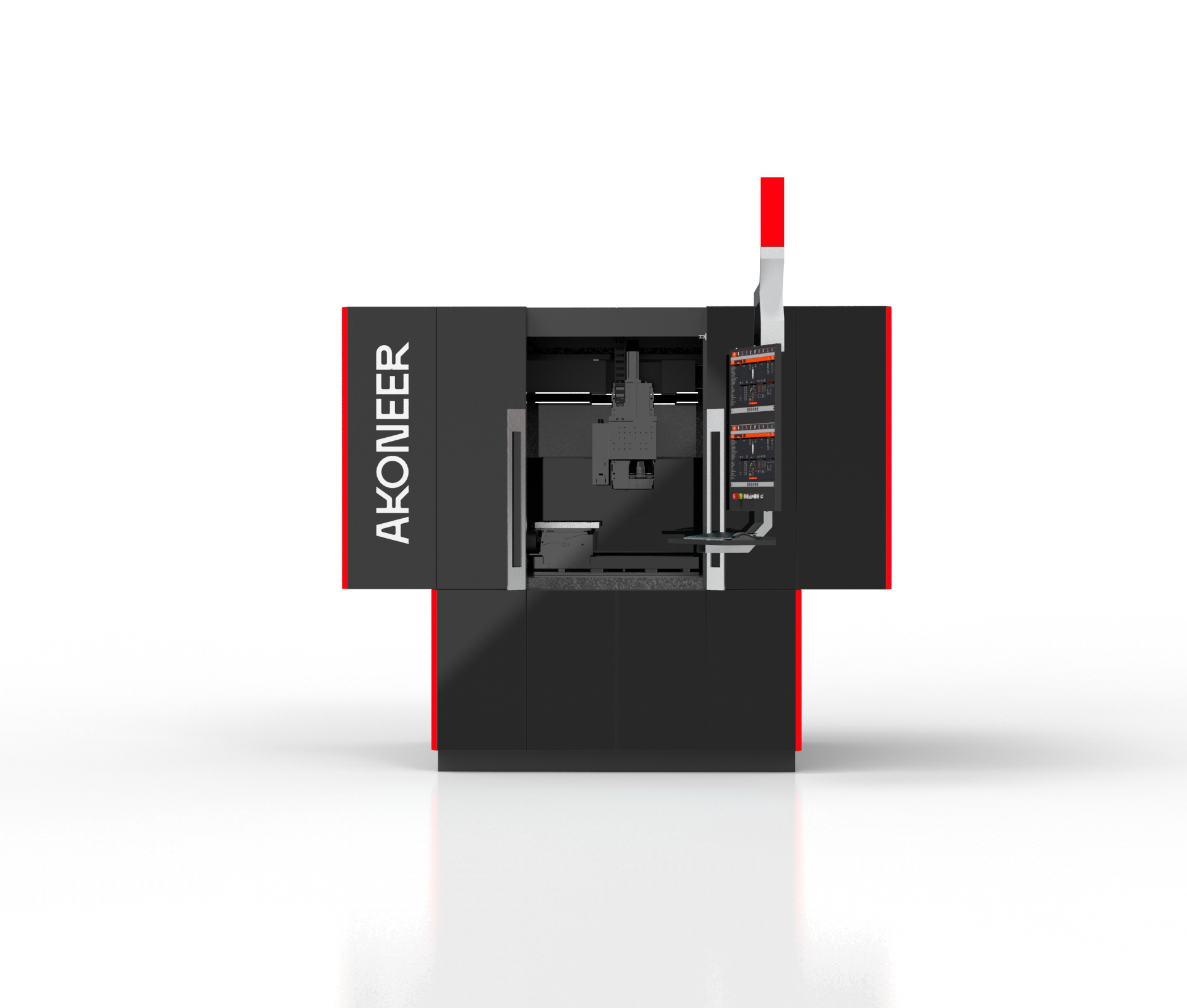
Laser marking uses a focused beam of light to create permanent marks on surfaces. This technology employs fiber, CO2, and UV lasers, each with specific applications. Fiber lasers, known for their precision and repeatability of ±0.02 mm, are ideal for metals and plastics. CO2 lasers excel in marking organic materials like wood and leather, while UV lasers are perfect for delicate materials such as glass and ceramics. The versatility of laser marking makes it a favored choice in industries like automotive, aerospace, electronics, and medical devices.
Applications of sic laser marking
SIC laser marking is essential across sectors for precise and permanent product markings. In the automotive industry, it ensures parts traceability, vital for quality and safety. Serial numbers and QR codes are laser-marked on components to aid tracking. The electronics sector uses SIC laser marking for labeling circuit boards with part numbers and manufacturing dates. In the medical field, surgical instruments and implants are marked with unique identifiers, preventing counterfeiting and ensuring patient safety. A real-world example is Continental AG, using laser marking to improve traceability and reduce errors in their supply chain by 30%.
Advantages of using laser marking
Laser marking offers major benefits over traditional methods. It produces high-quality, precise, and permanent marks without damaging substrates. This non-contact process eliminates inks or chemicals, making it environmentally friendly. The technology handles a variety of materials, from metals to ceramics, with cutting speeds reaching up to 30 m min⁻¹. The process is fast and efficient, supporting high-volume production without accuracy loss. Laser marking systems are easy to automate and integrate into production lines, enhancing productivity and reducing labor costs. Marks remain legible and wear-resistant, even in harsh environments, making them ideal for applications requiring long-lasting identification.
Factors to consider when selecting a laser marking system
Choosing a laser marking system involves several considerations for optimal performance and ROI. Material type is crucial since different lasers suit different materials. Evaluate marking speed and resolution based on production demands and quality standards. The marking area's size and design complexity influence system choice. Assess system compatibility with existing processes and integration with automation and software systems. Consider maintenance and operational costs to gauge overall cost-effectiveness. By evaluating these factors, businesses can select a system that meets their needs and enhances production.
The future of laser marking technology
The future of laser marking technology promises significant advancements. Innovations in laser sources and optics will enhance precision and speed. AI and machine learning algorithms will optimize marking processes for real-time quality control. The rise of Industry 4.0 and IoT will drive the development of smart laser marking systems, enabling machine communication within production lines. These advancements will increase efficiency, reduce waste, and improve traceability across industries. As laser marking technology evolves, it will play a crucial role in supporting sustainable and efficient manufacturing practices.
SIC laser marking represents a powerful and versatile technology essential for modern manufacturing. Its ability to produce precise, permanent, and high-quality marks makes it invaluable across various industries. As technology evolves, laser marking systems will become more efficient, driving manufacturing process innovation. By understanding applications, advantages, and selection criteria, businesses can make informed decisions that enhance production capabilities and support long-term goals. The future of laser marking promises exciting developments that will revolutionize product identification and tracking throughout their lifecycle.