Professional laser engraving machine
Explore the key features, applications, and considerations of professional laser engraving machines for businesses across various industries.
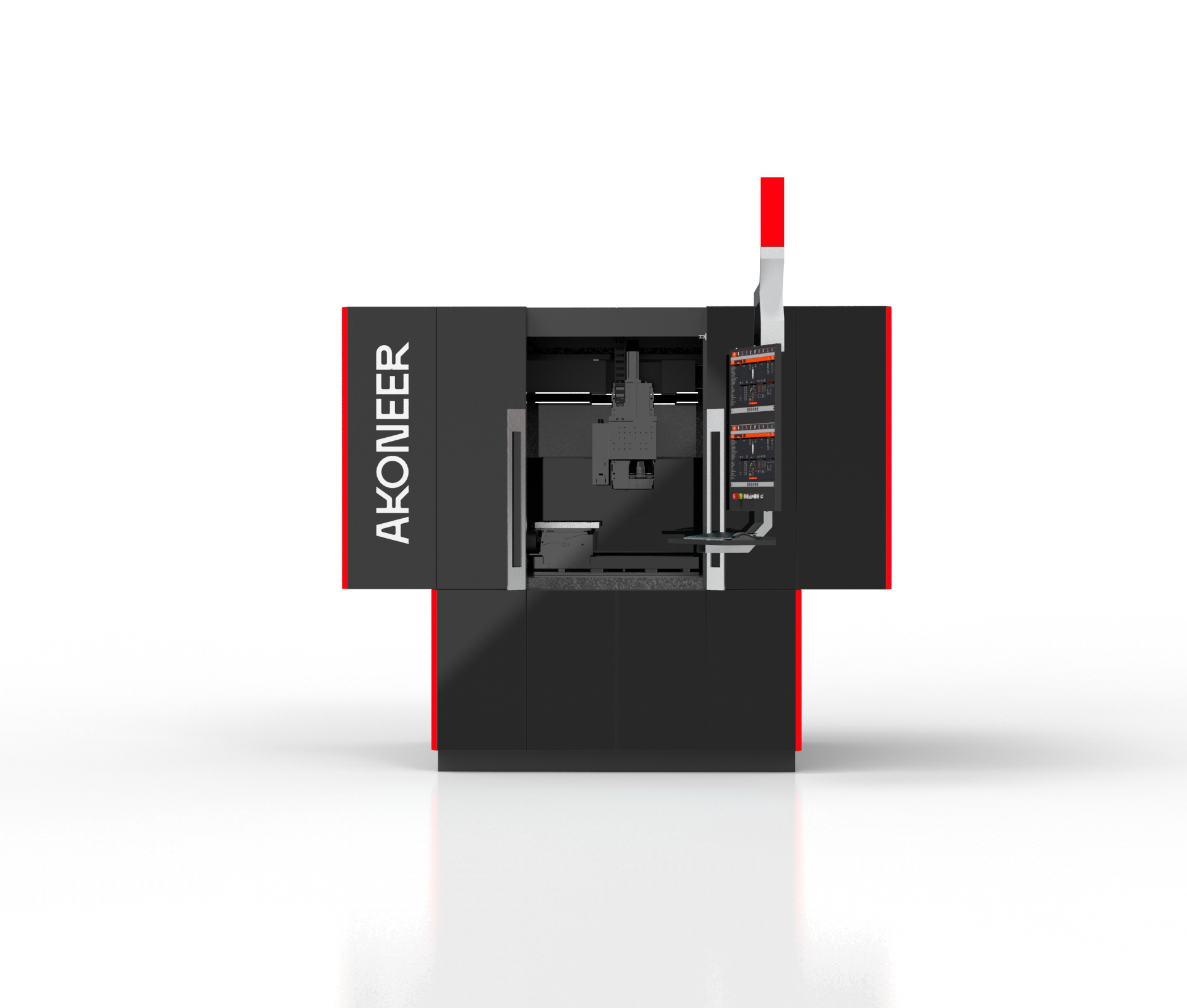
The field of laser engraving has seen remarkable growth in recent years, driven by advances in technology and an increasing demand for precise, high-quality engraving solutions across various industries. A professional laser engraving machine is an indispensable tool for businesses that require intricate designs, durable markings, and efficient production processes. This article explores the key features, applications, and benefits of professional laser engraving machines, as well as the considerations one must keep in mind when choosing the right machine for their needs.
Key features of professional laser engraving machines
Professional laser engraving machines are designed to meet the rigorous demands of commercial use. Equipped with high-powered lasers ranging from 2–6 kW, they offer precision and speed. These machines can handle a wide range of materials, including metals, plastics, wood, glass, and ceramics, thanks to their adjustable settings and versatile laser types, such as CO2 and fiber lasers. Advanced software integration enables users to design complex patterns and control the engraving process with remarkable accuracy, often featuring vector and raster engraving capabilities essential for detailed images and text.
Moreover, professional laser engraving machines often include enhanced safety features. These consist of enclosed workspaces to contain laser emissions and prevent accidental exposure, as well as emergency stop functions and dust extraction systems to maintain a safe working environment. The precision offered by such machines often boasts a repeatability of ±0.02 mm, ensuring consistent quality.
Applications across industries
The versatility of professional laser engraving machines makes them suitable for a multitude of industries. In manufacturing, these machines are used for precision marking and cutting of components, ensuring that parts meet exact specifications. For example, BMW employs laser engraving to mark engine parts with identification numbers, significantly enhancing traceability and regulatory compliance. In the realm of personalized products, laser engraving machines enable businesses to offer customized items such as jewelry, trophies, and promotional products with intricate designs and personal messages. The ability to engrave on various materials expands the range of products that can be personalized, catering to diverse customer preferences.
The electronics industry also benefits from laser engraving, especially in the production of circuit boards and electronic components. The precision and non-contact nature of laser engraving ensure that delicate electronics are not damaged during the marking process, preserving the integrity and functionality of electronic devices.
Benefits of using professional laser engraving machines
Using professional laser engraving machines offers numerous benefits to businesses. One primary advantage is precision, allowing for intricate designs and accurate reproduction of logos and text. Speed is another significant benefit; machines can operate at speeds up to 30 m/min without sacrificing quality, making them suitable for high-volume production runs. This efficiency can lead to reduced production times and increased output, contributing to a more profitable operation. Durability is also key, as laser-engraved markings are resistant to wear, fade, and corrosion, ensuring they remain legible over time. This is particularly important for items exposed to harsh environments, such as industrial components or outdoor signage.
Considerations when choosing a laser engraving machine
When selecting a professional laser engraving machine, several factors need consideration to ensure it meets the specific needs of the business. The type of laser—whether CO2 or fiber—should align with the materials being engraved. CO2 lasers are typically used for non-metal materials, while fiber lasers are better suited for metals. The size of the engraving bed is also important, as it determines the maximum size of the material that can be engraved in one operation. Businesses should assess their typical project sizes and choose a machine with an appropriate bed size to avoid production limitations.
Cost and return on investment are crucial factors. While professional laser engraving machines represent a significant upfront investment, their efficiency, precision, and durability can lead to long-term cost savings and increased revenue. Businesses should conduct a thorough analysis of their engraving needs and compare different machines to find the best balance between cost and functionality.
The future of laser engraving technology
As technology advances, the capabilities of professional laser engraving machines are expected to expand. Innovations such as improved laser sources, smarter software, and enhanced automation are likely to further increase the efficiency and versatility of these machines. Businesses that invest in the latest laser engraving technology will be well-positioned to capitalize on these advancements and maintain a competitive edge in their respective industries.
In summary, professional laser engraving machines are essential tools for a wide range of applications across multiple industries. Their precision, speed, and durability make them invaluable for businesses seeking high-quality engraving solutions. By carefully considering the features and benefits of different machines, businesses can choose the right laser engraving technology to meet their specific needs and drive success in their operations.