Precision laser marking
Laser marking technology enhances manufacturing by offering accurate, efficient marking solutions for diverse materials across various industries.
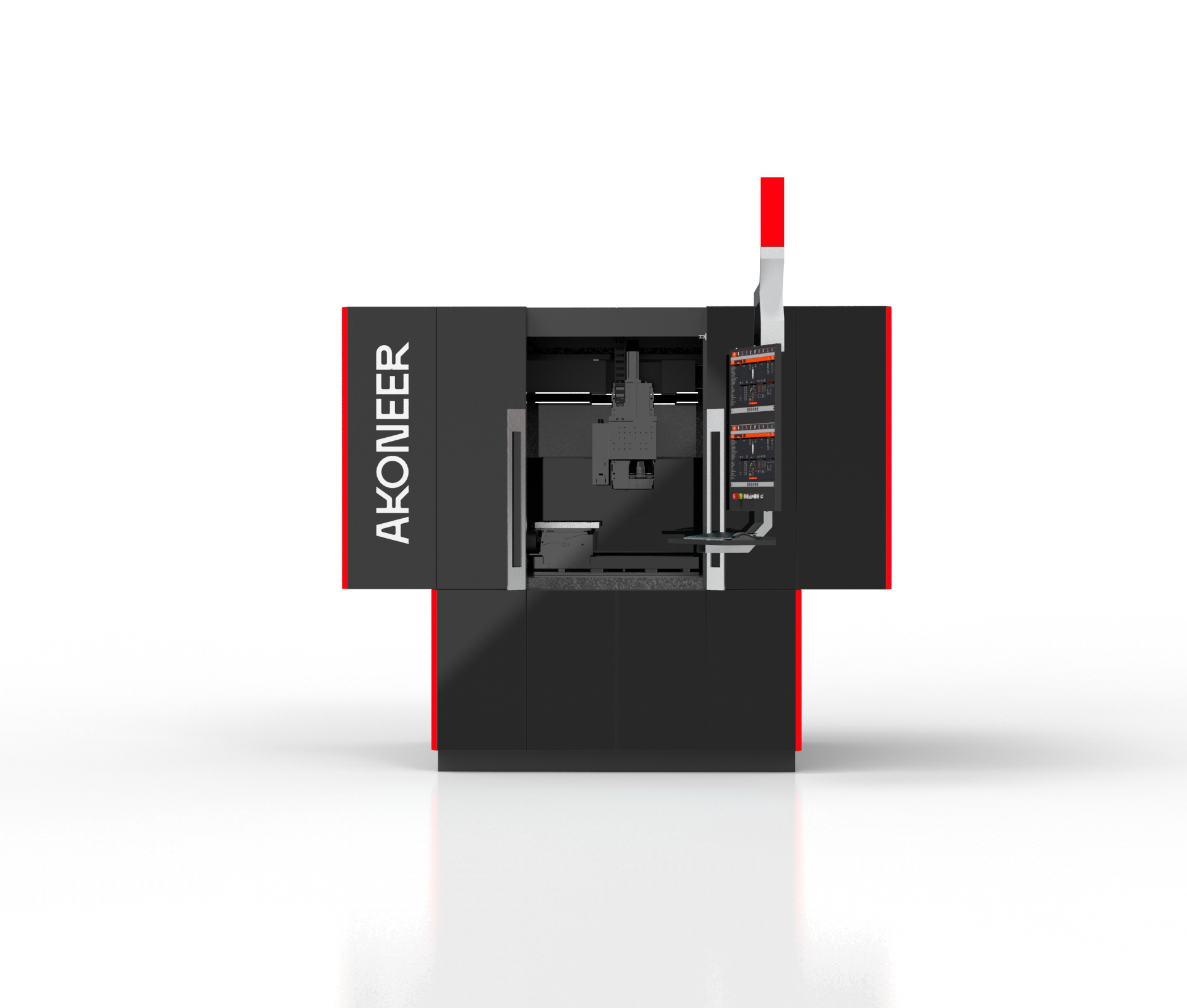
Precision laser marking has transformed the manufacturing landscape, offering unmatched accuracy and efficiency for a range of industrial applications. This technology utilizes laser beams to create permanent marks on various materials, gaining widespread adoption due to its versatility and precision. From barcodes and logos to serial numbers and intricate designs, laser marking technology is integral to modern manufacturing processes.
Understanding the basics of laser marking
Laser marking is a non-contact process using a focused laser beam to alter a material's surface. The laser's heat interacts with the material, changing color, contrast, or texture. This process can be applied to metals, plastics, ceramics, and other substrates. Unlike traditional methods that rely on physical force or chemicals, laser marking ensures a clean, precise outcome without damaging the material. The primary techniques include annealing, engraving, etching, and foaming, each suited for specific materials and desired effects.
The advantages of precision in laser marking
Precision is the hallmark of laser marking technology, providing several advantages over other marking techniques. Laser systems offer accuracy with repeatability of ±0.02 mm, ensuring even intricate patterns can be consistently replicated across large production volumes. This is particularly beneficial for industries such as aerospace, automotive, and medical devices, which demand high-quality standards. The non-contact nature of laser marking reduces tool wear and tear, minimizing maintenance costs and downtime. Additionally, the precision enhances product aesthetics and compliance with regulatory requirements for traceability and safety.
Applications across various industries
The versatility of precision laser marking allows it to be applied in numerous industries. In the automotive sector, it marks components with part numbers and safety information. The electronics industry benefits from laser marking for labeling circuit boards and components that withstand harsh environments. In the medical field, laser marking is essential for labeling surgical instruments and implants with unique identifiers ensuring traceability and patient safety. Additionally, the luxury goods market uses laser marking to add intricate designs and brand logos to products, enhancing exclusivity and appeal. For example, Rolls-Royce employs laser marking to ensure the durability and clarity of component identifiers, significantly reducing error rates and enhancing traceability.
Technological advancements and innovations
Recent years have seen significant advancements in laser marking, driven by innovations in laser technology and software. Fiber lasers, with powers typically ranging from 20 to 100 watts, have gained popularity for their efficiency and ability to mark various materials with high speed and precision. Ultrafast lasers, capable of emitting pulses as short as femtoseconds, open new opportunities for marking delicate and sensitive materials without causing thermal damage. Advances in software have enabled more complex and customizable designs, allowing manufacturers to meet diverse customer demands with ease.
Challenges and considerations in laser marking
Despite its many advantages, precision laser marking presents challenges. One primary consideration is selecting the laser type and parameters suitable for specific materials and applications. Incorrect choices can lead to suboptimal results or even product damage. Manufacturers must also consider the initial investment cost of laser marking systems, often higher than traditional methods. However, long-term benefits, such as reduced maintenance and increased production speed, typically outweigh the initial expenditure. Operators require adequate training to utilize the full potential of laser marking systems and ensure consistent quality.
Future prospects of laser marking technology
The future of precision laser marking appears promising, with ongoing innovations expected to enhance its capabilities. As industries move toward more sustainable manufacturing practices, laser marking offers an eco-friendly alternative by eliminating harmful chemicals and reducing waste. Moreover, integrating laser marking systems with automation and digital technologies will streamline production processes and improve efficiency. The growing demand for customization and personalization in consumer goods will drive the adoption of laser marking solutions that deliver high-quality, bespoke products.
In summary, precision laser marking is a critical technology in modern manufacturing, providing unmatched accuracy and versatility. Its applications span multiple industries, each benefiting from the technology's ability to produce high-quality, durable markings. As advancements continue and challenges are addressed, laser marking is set to play an increasingly vital role in the future of manufacturing, aligning with trends toward sustainability, efficiency, and customization.