Precision laser engraving
Precision laser engraving integrates advanced laser technology and computer controls to create detailed designs for diverse applications across multiple industries.
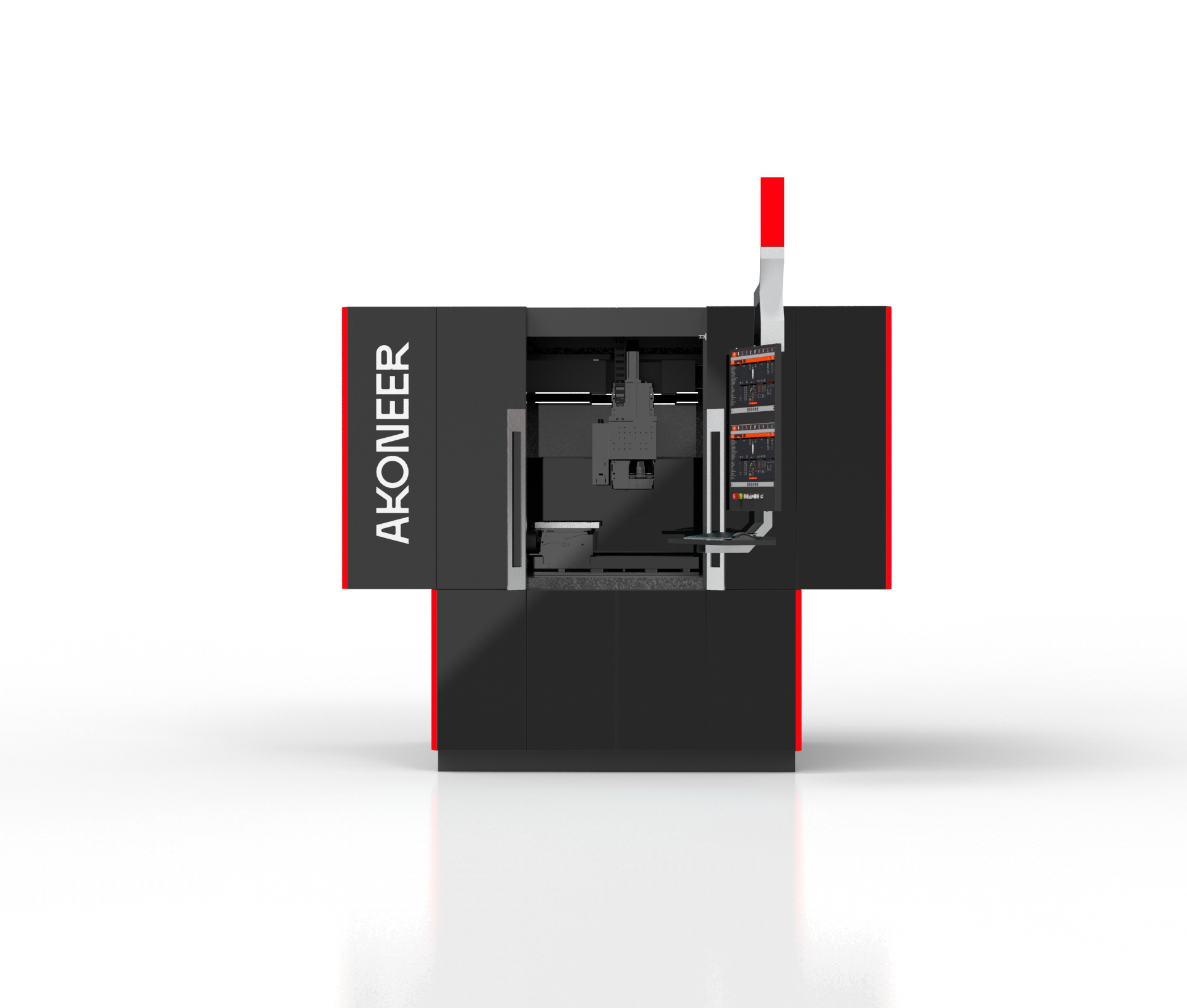
In the realm of modern manufacturing and design, precision laser engraving stands out as a sophisticated and efficient technology. It integrates laser physics with advanced computer controls, leading to extraordinary accuracy in creating detailed designs. This technique has applications across various industries, from aerospace to jewelry, offering benefits like enhanced design flexibility and material versatility.
Understanding laser technology
At the core of precision laser engraving is laser technology, which uses concentrated beams of light to etch patterns onto surfaces. A laser, or ""light amplification by stimulated emission of radiation,"" generates a focused, coherent, and monochromatic beam. This beam can be directed with extreme precision, enabling the engraving of intricate designs that traditional methods struggle to achieve. The ability to adjust the laser beam's power and duration allows for customization based on the material, whether it's metal, glass, wood, or plastic. Typical laser systems operate with power ranging from 2 to 6 kW, achieving a kerf width of approximately 0.1 mm, and repeatability of ±0.02 mm.
The role of computer controls
Precision laser engraving leverages computer numerical control (CNC) systems to execute complex designs with accuracy. The CNC system interprets digital designs and translates them into precise movements of the laser head. This integration ensures that even intricate patterns can be consistently replicated across multiple pieces. It also allows for rapid prototyping and adjustments, making it invaluable for designers and engineers who require fast iterations.
Applications across industries
The versatility of precision laser engraving has led to its adoption in a wide range of sectors. In aerospace, it's used for marking parts with identification numbers and logos, ensuring traceability and compliance with industry standards. In jewelry, laser engraving creates detailed and personalized designs on precious metals and gemstones. The medical field benefits from the precise marking of surgical instruments and implants, requiring high levels of accuracy and sterility. Electronics manufacturers use laser engraving to etch circuit boards and components, taking advantage of the technology's ability to produce fine lines and complex geometries. For instance, a leading electronics firm utilized precision laser engraving to reduce production times by 15%, enhancing efficiency and accuracy.
Advantages over traditional methods
Precision laser engraving offers several advantages over traditional techniques. The contactless nature of the process eliminates mechanical stress on materials, crucial for delicate or thin substrates. Laser engraving provides a higher level of detail and accuracy than manual methods, making it ideal for complex designs. It's also faster and more efficient, reducing production times and costs. Moreover, it produces minimal waste, aligning with environmental sustainability goals.
Material versatility
A key advantage of precision laser engraving is its ability to work with a variety of materials. Metals like aluminum, stainless steel, and titanium can be engraved with precision, making the technology suitable for both industrial and decorative purposes. Non-metallic materials, such as wood, glass, acrylic, and leather, can also be engraved, expanding the range of products and applications. The capability to engrave different materials without changing tools or settings streamlines production and increases overall efficiency.
Future trends in laser engraving
The field of precision laser engraving is continually evolving, driven by advances in laser technology and computer controls. Emerging trends include the development of more powerful and efficient lasers that can engrave deeper and faster, along with the integration of artificial intelligence to enhance design capabilities. Additionally, there is a growing focus on sustainability, with manufacturers seeking ways to reduce energy consumption and material waste. As these trends develop, precision laser engraving is likely to become even more integral to modern manufacturing and design processes.
Precision laser engraving represents a fusion of technology and creativity, offering unparalleled accuracy and versatility. Its ability to engrave intricate designs on a wide range of materials has made it indispensable across various industries. As technology advances, precision laser engraving is poised to play an even greater role in shaping the future of manufacturing and design. With its numerous advantages and applications, it stands as a testament to the power of modern engineering and innovation.