Precision laser cutting machine
Laser cutting machines enhance modern manufacturing with unmatched accuracy, efficiency, and versatility across various industries.
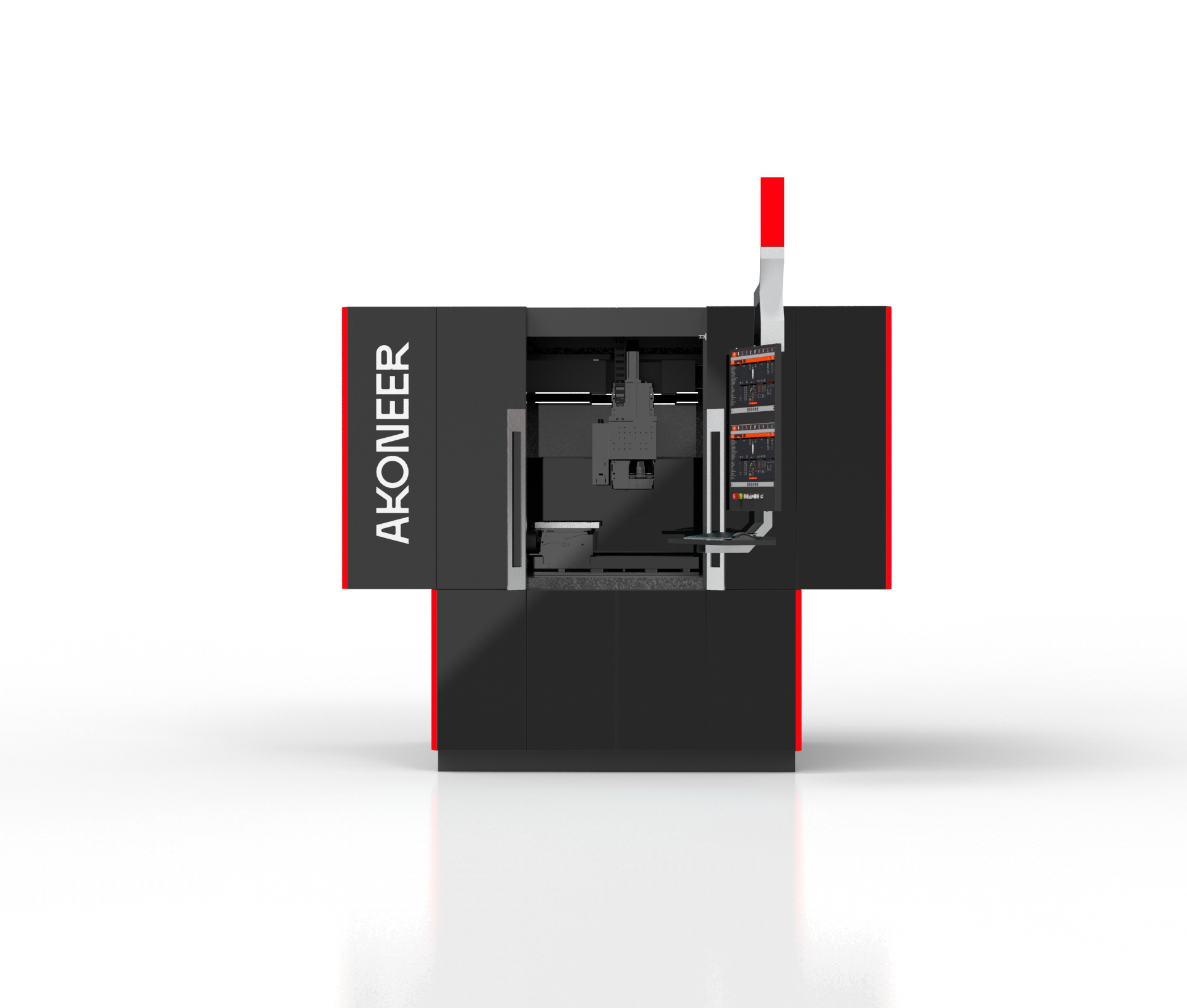
Precision laser cutting machines are pivotal in modern manufacturing, offering unmatched accuracy, efficiency, and versatility. These machines have transformed industries by enabling intricate designs and high-quality finishes once unattainable with traditional methods. This article explores the technology behind these machines, their applications, advantages, and future prospects.
Understanding the technology
At the heart of precision laser cutting machines is the laser itself, a highly focused beam of light capable of cutting through materials with remarkable precision. The laser is generated using a resonator that amplifies light to create an intense and narrow beam. When directed at a material, the laser's energy causes the material to melt, burn, or vaporize, resulting in a clean cut. Computer numerical control (CNC) systems guide the laser head along the desired path with exceptional accuracy, allowing for cuts with a repeatability of ±0.02 mm.
These machines typically use one of three types of lasers: CO2, fiber, or Nd:YAG. CO2 lasers, with power ranging from 2 to 6 kW, are ideal for cutting non-metallic materials like wood and plastic. Fiber lasers are known for their efficiency and are excellent for cutting metals, with a typical kerf width of approximately 0.1 mm. Nd:YAG lasers are versatile and can handle both metals and non-metals. Each type offers distinct advantages based on the material and cutting task requirements.
Applications across industries
Precision laser cutting machines serve a wide range of industries due to their ability to produce intricate and precise cuts. In the automotive industry, they cut complex components with tight tolerances, ensuring perfect part fits. These machines are essential in the aerospace sector, where precision and reliability are critical. They excel in cutting lightweight materials like titanium and aluminum, minimizing waste.
In the medical field, laser cutting machines manufacture intricate devices and components, such as stents and surgical instruments. The high precision and clean cuts are vital for the safety and effectiveness of medical tools. The electronics industry relies on laser cutting for producing circuit boards and other components, which demand exact dimensions and minimal thermal distortion. For example, Siemens has adopted precision laser cutting to reduce the production time of its circuit boards by 20%, enhancing efficiency and product quality.
Advantages over traditional methods
Precision laser cutting offers several advantages over traditional methods like mechanical or water jet cutting. One primary benefit is the precision achievable; the laser beam can be as narrow as a few micrometers, allowing for extremely detailed and intricate patterns. The machine maintains consistent quality across large production runs.
Another advantage is speed. Laser cutting machines can operate at up to 30 meters per minute, significantly reducing production times compared to traditional methods. This efficiency leads to cost savings in labor and operational expenses.
Additionally, laser cutting is a non-contact process, meaning there is no physical tool wear. This reduces maintenance costs and ensures peak performance over extended periods. The minimized heat-affected zone reduces material distortion risks and ensures a smooth finish.
Challenges and considerations
Despite their many advantages, precision laser cutting machines are not without challenges. The initial investment for purchase and setup can be substantial. Operating them requires skilled technicians who understand laser technology and CNC programming nuances.
Material thickness and type can also pose challenges. While laser cutting is excellent for thin materials, thicker materials may require multiple passes or different equipment. Reflective materials, such as copper and brass, can reflect the laser beam, necessitating specialized equipment.
Future prospects
The future of precision laser cutting machines is promising, driven by technology advancements and increasing demand for precision manufacturing. Research is ongoing to develop more efficient lasers that offer even greater precision and speed. Innovations in automation and artificial intelligence are expected to enhance laser cutting machines' capabilities, enabling them to handle more complex tasks with minimal human intervention.
With the rise of smart manufacturing and Industry 4.0, precision laser cutting machines are set to become integral components of the digital factory. As they evolve, these machines will likely offer greater levels of customization and adaptability, catering to the ever-changing needs of various industries.
Precision laser cutting machines represent a significant technological advancement in manufacturing. Their precision, efficiency, and versatility make them indispensable tools across a wide range of applications. As technology continues to advance, these machines will undoubtedly play a crucial role in shaping the future of manufacturing, enabling industries to produce high-quality products with exceptional precision and efficiency.