Precision laser cutting
Laser cutting technology enhances manufacturing by offering remarkable accuracy and efficiency across diverse industries.
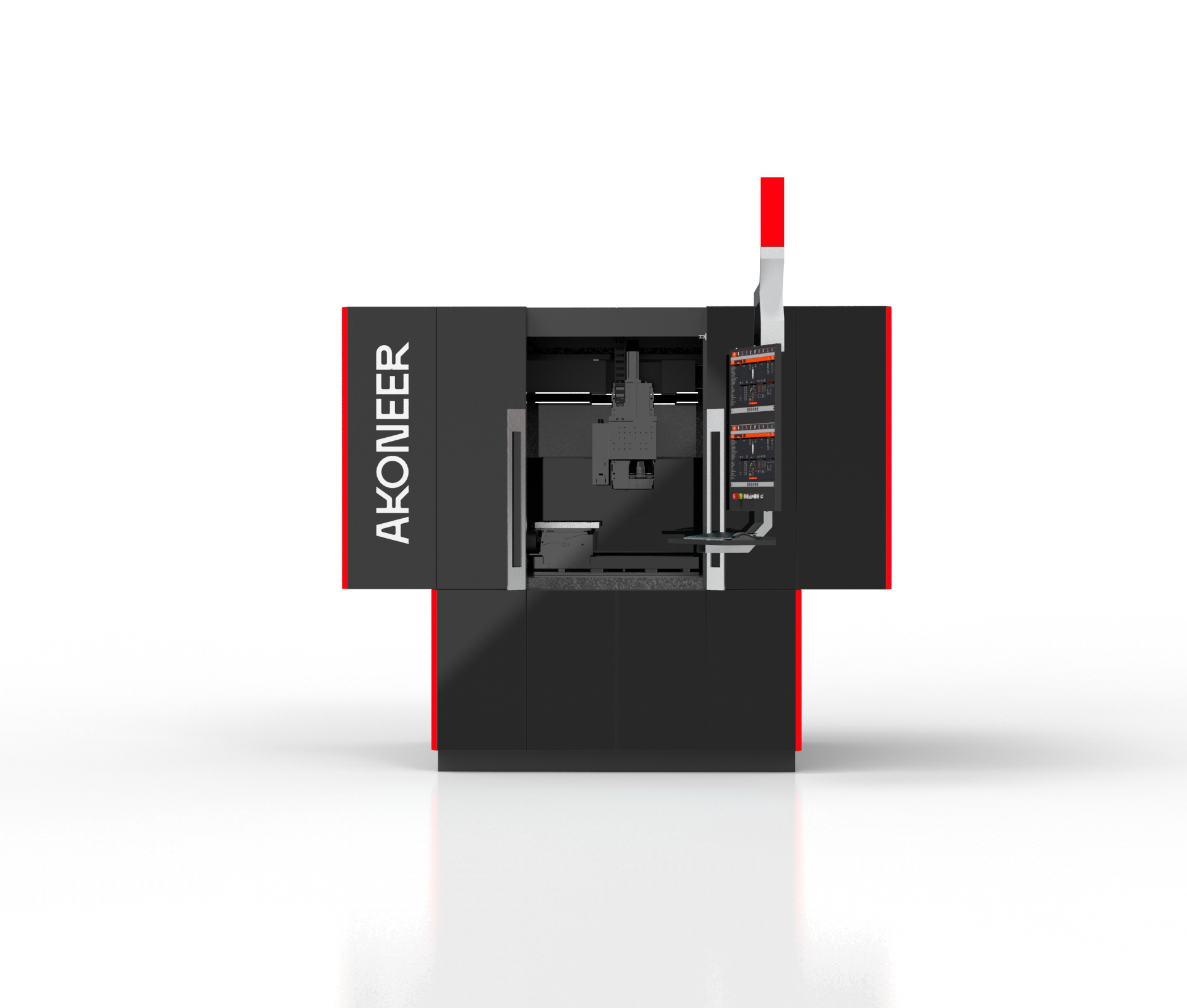
Precision laser cutting has become an essential tool across various industries, offering unparalleled accuracy and efficiency in manufacturing processes. This technology, which uses a focused laser beam to cut materials, has transformed how manufacturers think about design and production. As industries continue to evolve, the demand for precision and intricacy in manufacturing is greater than ever. This article explores how precision laser cutting meets these demands, its applications, benefits, and future prospects.
The science behind precision laser cutting
At the heart of precision laser cutting is the laser—a device that emits a concentrated light beam. This beam can be focused to pinpoint accuracy, allowing it to cut through materials with remarkable precision. The process begins by directing the laser beam onto the material's surface. The intense energy from the laser heats the material to its melting or vaporization point, creating a clean cut as the laser moves along a predetermined path.
Factors like laser power, speed, and focus are meticulously controlled to achieve the desired cut quality. Lasers typically operate with power outputs ranging from 2 to 6 kW, achieving kerf widths of approximately 0.1 mm and repeatability within ±0.02 mm. Depending on the material and specific requirements, different types of lasers, such as CO2, fiber, or Nd:YAG, may be used. Each offers unique advantages, such as cutting speed or the ability to handle specific materials, underscoring the versatility of laser cutting technology.
Applications across industries
Precision laser cutting is utilized in an array of industries, from automotive and aerospace to electronics and fashion. In the automotive and aerospace sectors, laser cutting is vital for creating detailed components with high accuracy, ensuring they meet stringent safety and performance standards. The technology allows for the production of lightweight structures, contributing to greater fuel efficiency.
The electronics industry benefits from laser cutting's ability to handle small, intricate parts. As devices become increasingly compact and complex, the precision offered by laser cutting is indispensable. In the fashion industry, laser cutting provides designers with the freedom to create intricate patterns and shapes in textiles and leather, enhancing aesthetic appeal while maintaining high production efficiency.
For example, Tesla has incorporated precision laser cutting into its production line to enhance the accuracy of its vehicle components, resulting in a 30% reduction in manufacturing errors and a 20% increase in production speed.
Advantages over traditional cutting methods
Precision laser cutting offers several advantages over conventional cutting techniques. It produces highly accurate cuts with a smooth finish, reducing the need for additional finishing processes. This is crucial in industries where cut quality directly impacts product functionality and appearance.
Moreover, laser cutting is a non-contact process, meaning there is minimal wear and tear on the materials being cut. This reduces the risk of material deformation and extends the lifespan of cutting tools. The precision and repeatability of laser cutting also minimize material waste, making it a cost-effective and environmentally friendly option.
Additionally, laser cutting allows for rapid prototyping and production. With the ability to adjust designs via computer-aided design (CAD) software, manufacturers can quickly transition from prototype to production, reducing lead times and accelerating time-to-market for new products.
The role of computer technology
The integration of computer technology with laser cutting has been transformative. CAD software enables designers to create and modify complex designs easily, which can then be directly translated into machine instructions for the laser cutter. This seamless integration reduces the likelihood of human error and ensures consistent quality across production runs.
Furthermore, advanced software can optimize cutting paths to maximize efficiency and minimize energy consumption. This not only enhances productivity but also contributes to sustainability efforts by reducing the overall environmental impact of manufacturing processes.
Challenges and considerations
Despite its many advantages, precision laser cutting is not without its challenges. The initial investment in laser cutting equipment can be substantial, particularly for small businesses. However, the long-term cost savings and efficiency gains often justify the investment.
Material selection is another critical consideration. Not all materials are suitable for laser cutting, and factors such as material thickness, reflectivity, and thermal properties can influence the cutting process. For instance, maximum steel thickness for efficient cutting is typically around 20 mm. Manufacturers must carefully evaluate these factors to achieve optimal results.
The future of precision laser cutting
As technology advances, so does the potential for precision laser cutting. Developments in laser technology, such as higher power outputs and increased wavelength diversity, are expanding the range of materials that can be cut efficiently. Additionally, innovations in automation and artificial intelligence are poised to further enhance the precision and efficiency of laser cutting systems.
The growing emphasis on sustainability in manufacturing is also likely to drive further adoption of laser cutting technology. Its ability to reduce waste and energy consumption aligns with global efforts to minimize environmental impact.
In summary, precision laser cutting stands at the forefront of modern manufacturing, offering unmatched accuracy and efficiency. Its applications are vast and varied, and as technology continues to evolve, its role in shaping the future of manufacturing is certain to grow. This technology not only meets the current demands for precision and speed but also sets the stage for future innovations in design and production.