Precise laser engraving
Laser engraving technology enables detailed engravings on diverse materials, transforming industries such as manufacturing, art, and design with its precision and versatility.
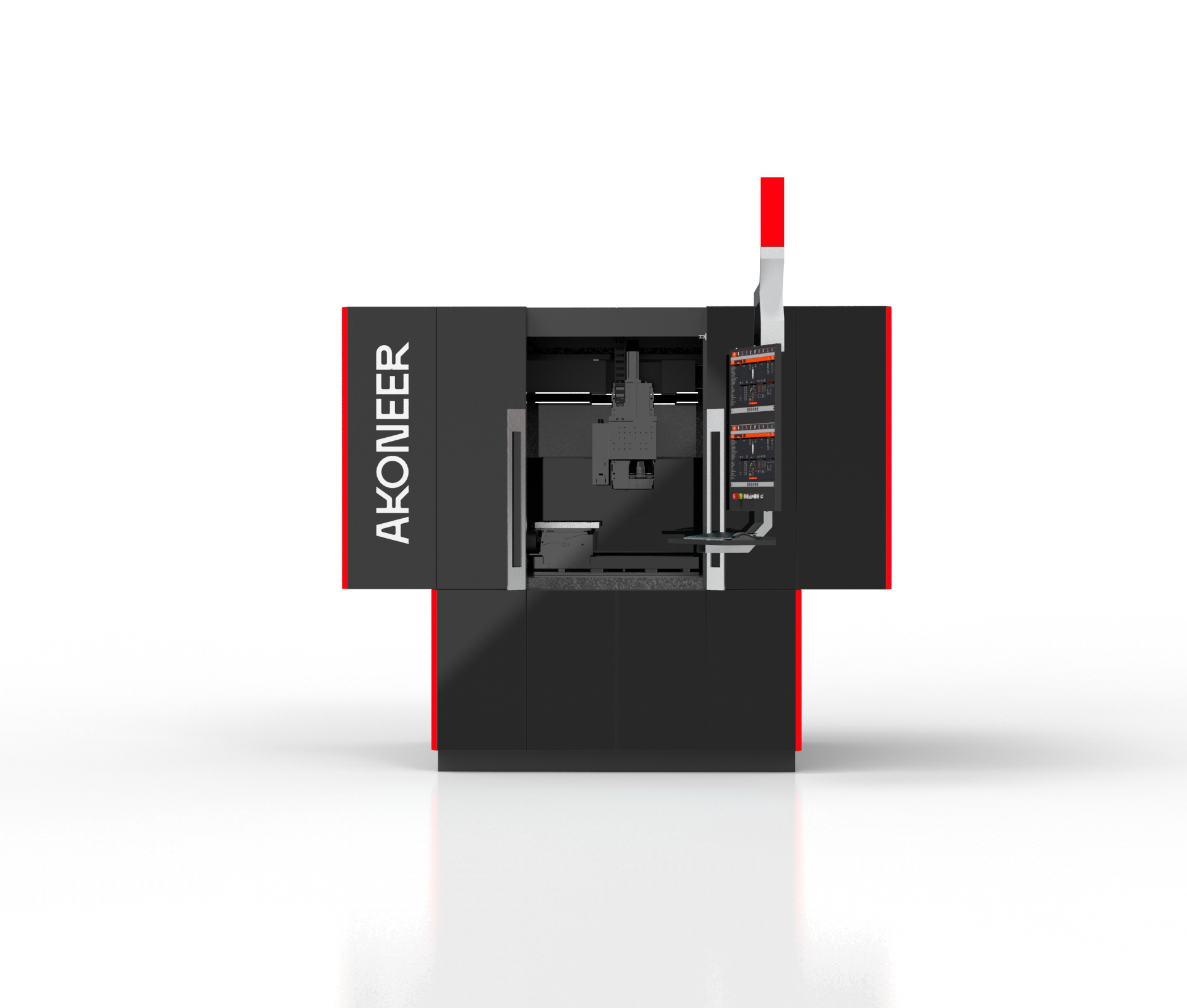
Laser engraving has emerged as a revolutionary technology in the fields of manufacturing, art, and design. Offering unparalleled precision, it allows for detailed and high-quality engravings on various materials. This article explores the intricacies of precise laser engraving, examining its technology, applications, advantages, and future potential.
Understanding the technology
At the core of laser engraving is the laser itself, a concentrated beam of light capable of removing material from an object's surface. The process involves directing this beam onto a material to create a permanent mark. The laser's intensity, speed, and focus are adjustable, allowing for engravings of different depths and designs. Typically, lasers operate at powers ranging from 2 to 6 kW, with a kerf of approximately 0.1 mm and repeatability of ±0.02 mm. The technology uses CAD (computer-aided design) software to direct the laser, ensuring accuracy and precision. This software translates digital images or designs into instructions for the laser, which then engraves the design onto the chosen material.
Materials and versatility
One of laser engraving's greatest strengths is its versatility. It can be applied to a wide range of materials, including metals, plastics, wood, glass, leather, and ceramics. Each material reacts differently to laser engraving, requiring specific settings for optimal results. For example, metals may need higher laser intensity for deep engraving, while softer materials like wood may require a gentler approach to avoid burning. This adaptability makes laser engraving suitable for diverse industries, from jewelry making to automotive manufacturing.
Applications across industries
The precision of laser engraving has made it indispensable in various fields. In manufacturing, it's used for marking parts with serial numbers, barcodes, and logos, ensuring traceability and authenticity, crucial for quality control and regulatory compliance. In art and design, laser engraving enables intricate patterns on various surfaces, offering artists a new medium for creativity. The technology is also prevalent in the medical sector, where it engraves detailed information on surgical instruments and medical devices. For example, BMW uses laser engraving to mark parts, improving traceability and reducing errors, resulting in significant cost savings.
Advantages of laser engraving
Laser engraving offers numerous benefits. It provides unmatched precision, allowing for the creation of detailed and complex designs unachievable with traditional methods. The non-contact process means the laser doesn't physically touch the material, reducing the risk of damage or wear. Additionally, laser engraving is highly efficient, capable of producing consistent results at cutting speeds up to 30 m/min. This efficiency makes it ideal for high-volume production runs.
Environmental impact
Laser engraving is often considered more environmentally friendly than traditional methods. It doesn't require inks or chemicals, reducing environmental contamination risk. The precision of laser engraving minimizes material waste, making it a more sustainable choice for manufacturers aiming to reduce their carbon footprint. The technology also supports eco-friendly practices by allowing the use of recyclable materials and by-products in the engraving process.
Challenges and solutions
Despite its advantages, laser engraving faces certain challenges. The initial setup cost can be high, particularly for small businesses or individual artists. However, as the technology becomes more widespread, these costs are gradually decreasing. The learning curve associated with mastering the software and equipment can be mitigated through training programs and user-friendly interfaces that make the technology accessible to a broader audience. Material-specific challenges, such as achieving the desired contrast on certain surfaces, can be addressed by experimenting with different settings and techniques.
The future of laser engraving
The future of laser engraving looks promising, with ongoing advancements in technology and materials science. As lasers become more powerful and precise, the range of materials that can be engraved will expand further. The integration of artificial intelligence and machine learning could lead to more automated and intelligent engraving processes, enhancing efficiency and creativity. Additionally, as industries continue to prioritize sustainability, the minimal environmental impact of laser engraving will likely increase its appeal.
In summary, precise laser engraving is a versatile and innovative technology transforming various industries. Its ability to produce intricate designs with precision and efficiency makes it an invaluable tool for manufacturers, artists, and designers. With ongoing advancements and a growing emphasis on sustainability, laser engraving is poised to play an even more significant role in the future of manufacturing and design.