Metal laser marking machine manufacturer
Metal laser marking machines are essential for industries needing durable and legible markings on metal surfaces, driving demand and innovation in manufacturing.
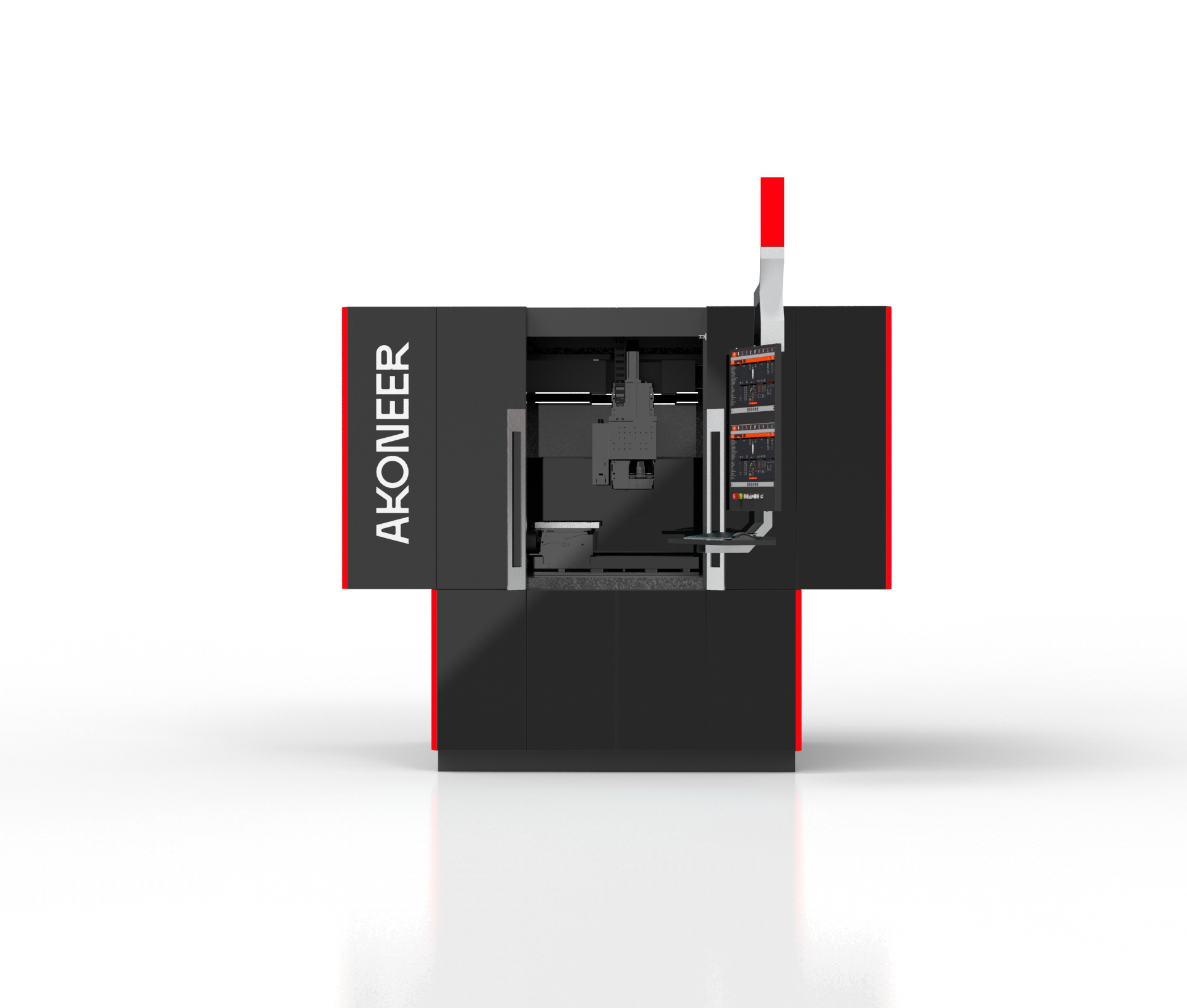
The demand for metal laser marking machines has significantly increased in recent years, driven by industries that require precise, durable, and legible markings on metal surfaces. As a manufacturer, understanding the complexities and capabilities of these machines is crucial to delivering products that meet the needs of diverse applications. This article explores the key aspects that define a metal laser marking machine manufacturer and highlights the attributes that contribute to success in this competitive field.
Design and technology
The foundation of any successful metal laser marking machine lies in its design and technology. A well-designed machine prioritizes functionality and ease of use, allowing operators to perform tasks efficiently. Technological advancements have led to machines offering high precision, speed, and flexibility. Fiber lasers, for example, are favored for their ability to produce high-quality marks with minimal maintenance. They typically offer a long lifespan and energy efficiency, with power ranges from 20 to 100 watts. An in-depth understanding of these technologies enables manufacturers to innovate continuously, ensuring their machines remain at the forefront of the industry.
Materials and durability
The materials used in manufacturing laser marking machines significantly affect their durability and performance. High-quality materials, such as stainless steel and aluminum, often construct the machine's frame and components, providing structural integrity and longevity. A durable machine reduces the likelihood of operational downtime, which can be costly for businesses. Manufacturers must choose materials that withstand continuous use and resist wear and tear, ensuring the machines operate smoothly over time.
Customization and versatility
One of the most appealing aspects of a laser marking machine is its ability to adapt to various applications. Manufacturers often offer customization options, allowing clients to tailor the machine to their specific requirements, including adjustments in laser power, marking speed, and software capabilities. Versatile machines can handle a range of materials, including stainless steel, aluminum, brass, and titanium. This adaptability is crucial for businesses operating across multiple sectors, such as automotive, aerospace, medical, and electronics, where different marking requirements are common. A manufacturer's ability to provide versatile and customizable solutions can be a decisive factor in attracting and retaining clients. For instance, BMW uses metal laser marking machines to ensure precise and durable markings on engine parts, enhancing traceability and reducing production errors by 30%.
Quality assurance and standards
Quality assurance is a critical aspect of manufacturing metal laser marking machines. Adhering to industry standards and regulations ensures the machines are safe, reliable, and efficient. Manufacturers must implement rigorous testing procedures to verify the performance and safety of their machines, including checking marking accuracy, operational efficiency, and compliance with safety standards. Certifications from recognized bodies can attest to a manufacturer's commitment to quality, enhancing their reputation and building client trust.
After-sales support and service
Providing exceptional after-sales support and service is essential for any manufacturer in the laser marking industry. Clients often require assistance with installation, training, maintenance, and troubleshooting. A responsive support team can significantly enhance the customer experience, ensuring clients can fully utilize their machines with minimal disruption. Offering regular maintenance services and updates can prolong the lifespan of the machines and keep them operating at peak performance. Additionally, a comprehensive warranty can provide clients with peace of mind, knowing they are protected against potential defects or issues.
Sustainability and environmental considerations
As environmental concerns rise, manufacturers increasingly focus on sustainability. The production and operation of laser marking machines should minimize environmental impact, including using eco-friendly materials, reducing energy consumption, and implementing recycling programs for old machines. Manufacturers can also design machines that consume less power and produce fewer emissions. By prioritizing sustainability, manufacturers can appeal to environmentally conscious clients and contribute to global efforts to reduce carbon footprints.
Innovation and future trends
The laser marking industry is continuously evolving, with new technologies and trends shaping its future. Manufacturers must stay abreast of these developments to remain competitive. Innovations such as artificial intelligence, machine learning, and automation are beginning to influence the design and function of laser marking machines. These technologies can enhance the precision, speed, and efficiency of the machines, allowing for more complex markings and faster production times. Manufacturers embracing these trends can position themselves as industry leaders, offering cutting-edge solutions to their clients.
In summary, a metal laser marking machine manufacturer must excel in several key areas to succeed in the market. From design and technology to after-sales support and sustainability, each aspect plays a crucial role in defining the quality and appeal of the machines. By continually innovating and adapting to industry trends, manufacturers can meet the evolving needs of their clients and maintain a competitive edge.