Medical laser tube cutting
Laser tube cutting is essential for producing intricate components in modern medical devices, enhancing efficiency and flexibility in manufacturing.
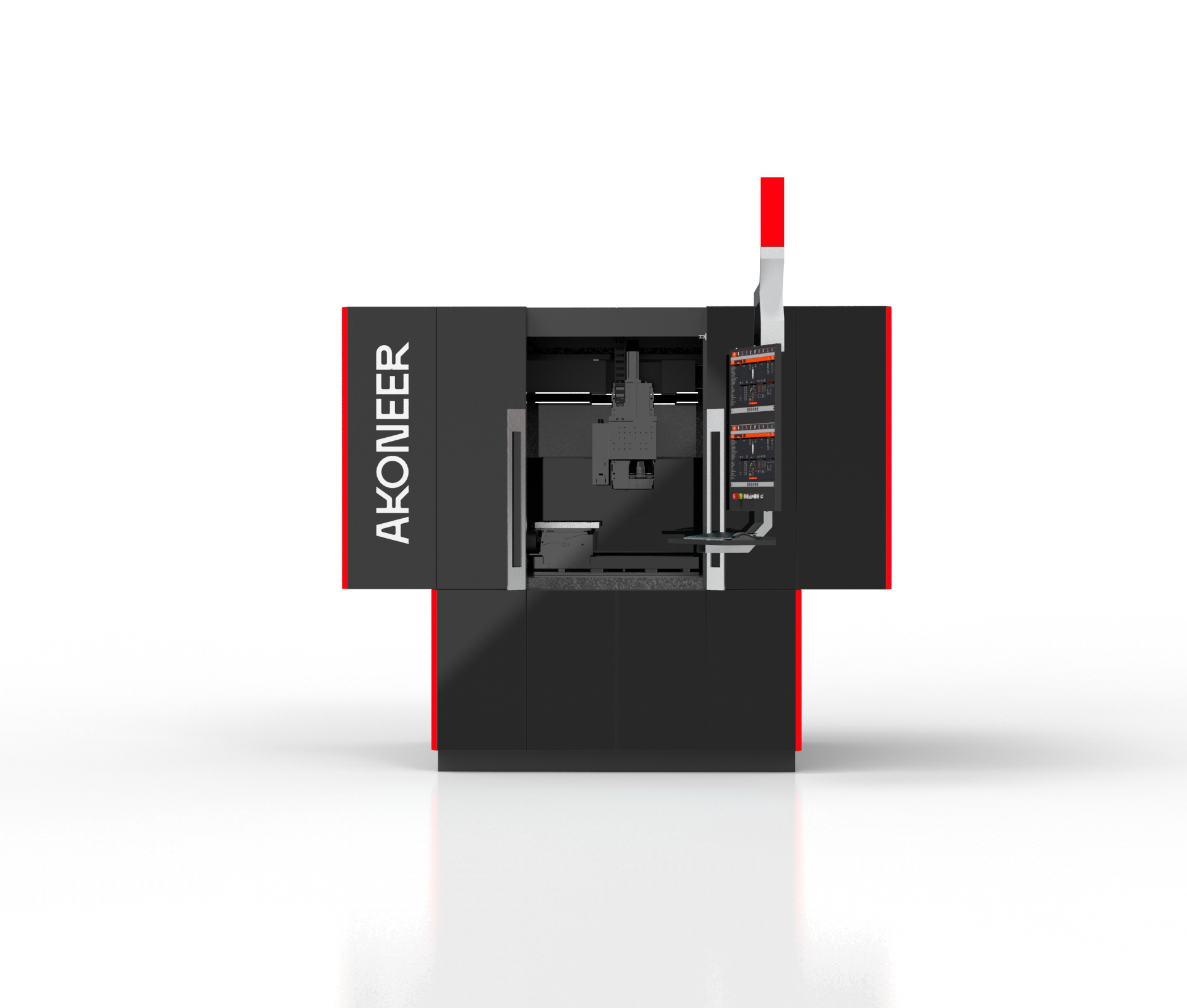
The use of lasers in medical applications has seen significant advancements over the past decades. Among these innovations, laser tube cutting has emerged as a crucial technique in the production of medical devices. This method offers precision, efficiency, and flexibility, which are essential in creating the intricate components required for modern medical equipment.
Understanding laser tube cutting
Laser tube cutting employs a focused laser beam to cut materials into specific shapes and sizes. In medical manufacturing, this technology is used to cut tubes made from various materials, including metals and polymers. With a kerf width of approximately 0.1 mm and repeatability within ±0.02 mm, the laser's precision is ideal for creating intricate parts necessary for medical devices like stents, catheters, and surgical instruments. The technique uses computer-aided design (CAD) to guide the laser, ensuring each cut is accurate and consistent.
Significance in the medical industry
The importance of laser tube cutting in the medical industry cannot be overstated. Medical devices often require components that are small, intricate, and precise. Traditional cutting methods, such as mechanical sawing or die cutting, can introduce inaccuracies and imperfections. In contrast, laser tube cutting offers a non-contact method that reduces the risk of contamination and deformation, essential in maintaining the sterility and structural integrity of medical devices. Moreover, the ability to cut complex geometries with high precision allows for the production of advanced medical devices that were previously difficult or impossible to manufacture. This capability supports the ongoing trend of miniaturization, where smaller and more efficient devices are continually being developed.
Materials and techniques
A variety of materials are used in the medical field, and laser tube cutting can accommodate many of them. Metals like stainless steel, titanium, and nitinol are commonly used due to their biocompatibility and strength. CO2 lasers, typically operating between 2–6 kW, are well-suited for cutting non-metallic materials, while fiber lasers are often used for metals due to their higher power and efficiency. The choice of laser depends on the material being cut and the specific requirements of the medical device.
Advantages of laser tube cutting
One of the primary advantages of laser tube cutting is its precision. Lasers can achieve extremely tight tolerances, which is critical in the medical field where even the smallest deviation can impact the device's functionality and safety. This precision also allows for the creation of complex shapes and patterns that are not feasible with traditional methods. Another significant advantage is the speed and efficiency of the process. Laser cutting can be done quickly, with cutting speeds reaching up to 30 meters per minute, reducing production times and costs. This efficiency is vital in the medical industry, where rapid development and deployment of new devices can be crucial. Furthermore, laser tube cutting is a clean process. The focused laser beam cuts without making contact with the material, minimizing the risk of contamination. This non-contact nature also reduces the wear and tear on the machinery, extending the lifespan of the equipment and decreasing maintenance costs.
Challenges and considerations
Despite its many advantages, laser tube cutting also presents some challenges. The initial investment in laser cutting equipment can be significant. However, the long-term savings in production costs, coupled with the ability to produce high-quality components, often justify the expense. Another consideration is the need for skilled operators. While the process is largely automated, it requires knowledgeable personnel to set up and maintain the equipment. Proper training is essential to ensure the laser is used safely and efficiently. Material compatibility is another challenge. Not all materials can be effectively cut with lasers, and some may require specific types of lasers or additional processing steps to achieve the desired results. Manufacturers must carefully evaluate material properties and laser capabilities when designing medical devices.
Future prospects
The future of laser tube cutting in the medical industry looks promising. As technology advances, lasers are becoming more powerful, precise, and versatile. This evolution will likely lead to even greater applications in medical manufacturing, enabling the creation of new devices and treatments that improve patient care. In addition, the ongoing development of new materials and coatings will expand the possibilities for laser tube cutting. As biocompatible materials continue to evolve, lasers will play a vital role in shaping the future of medical device manufacturing.
In summary, laser tube cutting is an indispensable technology in the medical industry. Its precision, efficiency, and versatility make it an ideal solution for producing the intricate components required for modern medical devices. As the field continues to advance, laser tube cutting will undoubtedly play a key role in shaping the future of healthcare technology.