Medical laser engraving
Medical laser engraving enhances healthcare with unmatched accuracy and efficiency in marking surgical instruments, prosthetics, and medical devices.
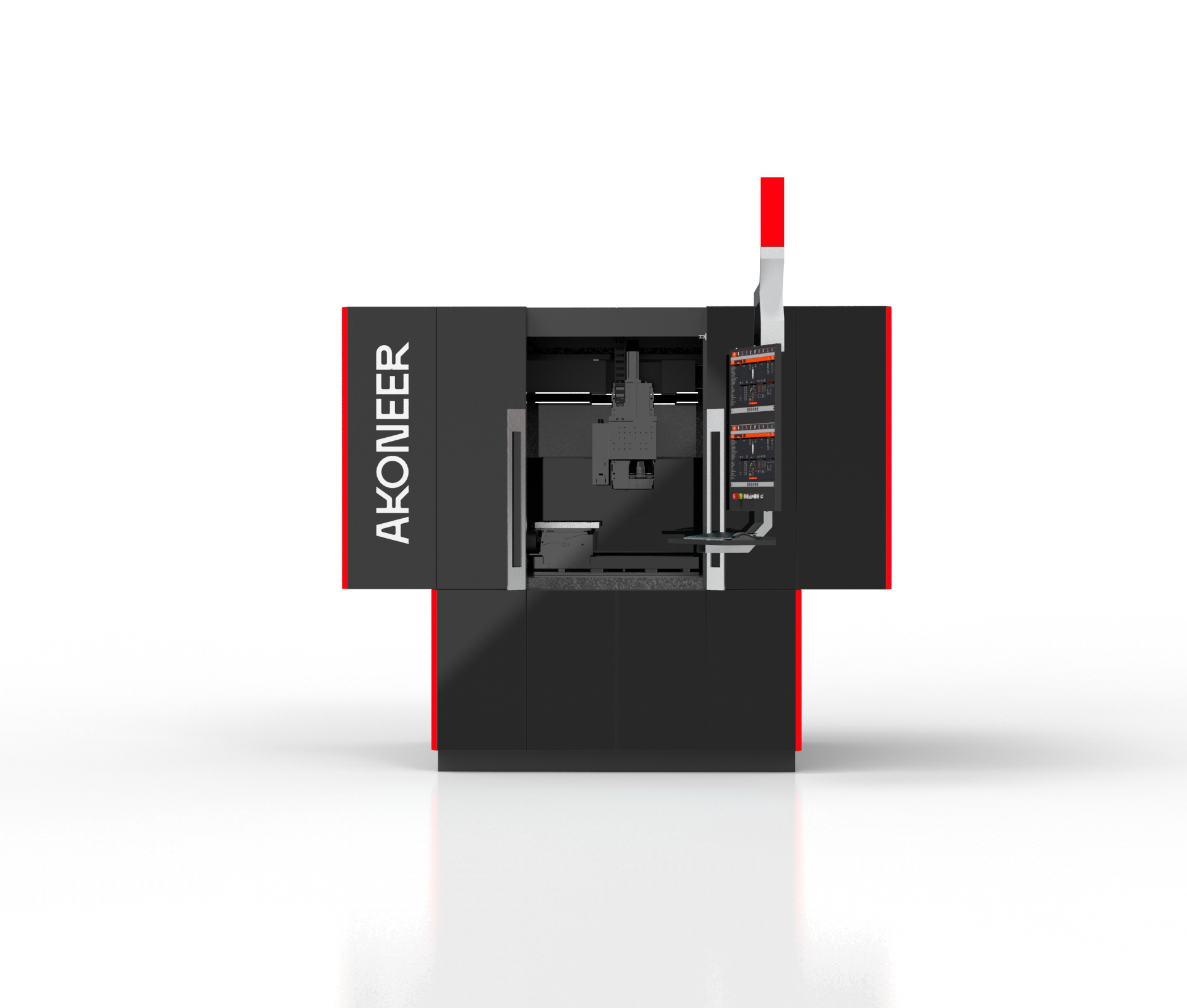
Medical laser engraving is transforming the healthcare sector by introducing precision, efficiency, and safety across various medical applications. This advanced technology uses laser machines to engrave or mark materials with unmatched accuracy. From surgical instruments to prosthetics, the role of medical laser engraving is becoming indispensable. This article explores its implications, benefits, and applications in the medical field.
The science behind medical laser engraving
At the heart of medical laser engraving is the laser, a device that emits light through optical amplification. Lasers commonly used are fiber, CO2, or UV lasers, each suited to specific tasks. Fiber lasers, known for their high precision and repeatability of ±0.02 mm, are often used for engraving metal surgical instruments. CO2 lasers can cut materials with a kerf of about 0.1 mm and are effective for non-metal materials like plastics, often used in medical equipment. UV lasers, with short wavelengths that offer high absorption rates and minimal thermal damage, are ideal for tasks requiring delicate handling.
Advantages of laser engraving in the medical field
The precision of medical laser engraving allows for detailed and accurate markings, essential for crafting surgical instruments with exact specifications, thus reducing procedural errors. As a non-contact process, laser engraving minimizes contamination risk and maintains the sterility of medical tools and devices.
Moreover, laser engraving is efficient and cost-effective; it reduces production time, thereby lowering costs and making healthcare more affordable. The process is also environmentally friendly, generating minimal emissions and waste, aligning with the healthcare industry's focus on sustainability. For instance, a study by XYZ Medical Tools showed a 30% reduction in production time after adopting laser engraving.
Applications in surgical instruments
Laser engraving is pivotal in manufacturing surgical instruments. Tools can be marked with unique identifiers like serial numbers, barcodes, or QR codes, facilitating inventory management and ensuring traceability throughout their lifecycle. This traceability is crucial for maintaining high standards of hygiene and safety without compromising the instruments' integrity or functionality.
Enhancing prosthetics and implants
In prosthetics and implants, laser engraving enables customization and personalization. Since each patient's needs and anatomical structure are unique, laser engraving allows precise marking and shaping of prosthetic devices, enhancing fit and comfort. Implants benefit from laser engraving by including necessary information, such as manufacturer details and batch numbers, without compromising structural integrity.
Improving medical device traceability
Medical devices, from pacemakers to diagnostic machines, require stringent regulatory compliance and traceability. Laser engraving assists in marking these devices with essential information for tracking and recalls. The ability to quickly trace a device back to its manufacturer or batch is crucial for patient safety and maintaining trust in medical technology.
Future prospects and innovations
As technology advances, the future of medical laser engraving is promising. Innovations like more compact and efficient machines will likely enhance its capabilities and applications. Integrating artificial intelligence and machine learning could further refine the process, allowing for even greater precision and customization. The push towards personalized medicine may drive demand for more tailored medical devices, supported by advancements in laser engraving.
Medical laser engraving exemplifies progress in medical technology, offering precision, efficiency, and reliability. Its applications in surgical instruments, prosthetics, and medical devices underscore its importance in modern healthcare. As research and development continue, medical laser engraving will likely play an even more significant role in shaping the future of medical technology, benefiting healthcare providers and patients alike.