Medical device laser marking
Medical device laser marking ensures traceability, compliance, and safety with durable and versatile markings essential for the healthcare industry.
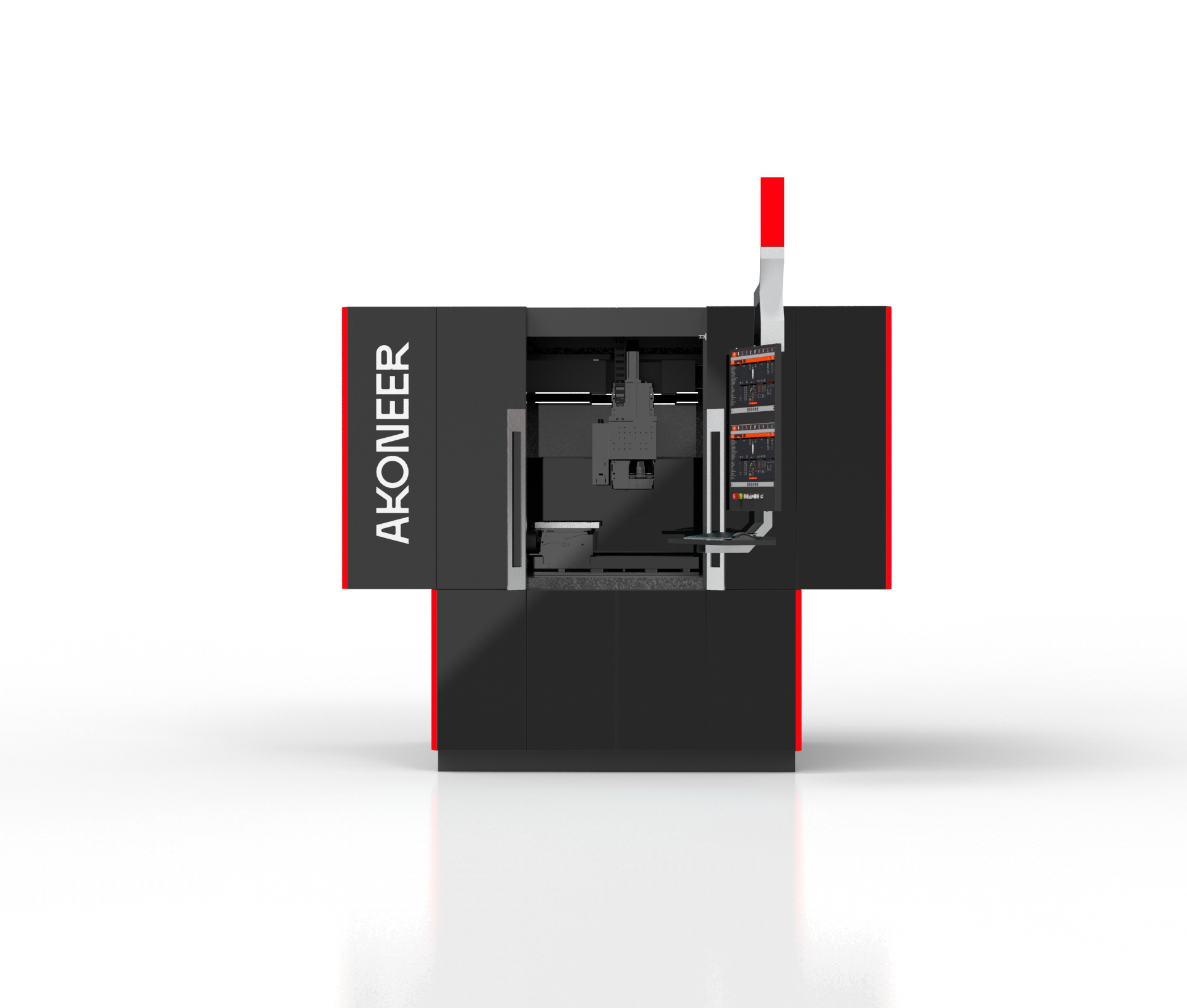
Medical device laser marking is vital in the healthcare industry, ensuring products are traceable, compliant, and safely identified. This process uses a focused laser beam to engrave or mark devices with essential information such as serial numbers, barcodes, and logos. Laser marking technology is favored for its precision, durability, and versatility, crucial for maintaining the integrity and reliability of medical devices.
The importance of traceability in medical devices
Traceability is a cornerstone of the medical device industry, allowing accurate tracking from manufacturing to end use. It is essential for monitoring the history, application, and location of each device. Laser marking supports traceability by providing permanent and legible markings that can withstand sterilization and rigorous cleaning processes, ensuring devices are quickly identified, reducing errors, and enhancing patient safety.
Regulatory compliance and standards
The medical device industry faces stringent regulations to ensure patient safety and product quality. Agencies like the FDA and EMA mandate that devices carry specific information, including unique device identifiers (UDIs). Laser marking technology meets these regulatory requirements by producing high-quality, precise marks that comply with international standards. This ensures manufacturers maintain compliance, avoiding costly penalties and securing market access.
Advantages of laser marking over traditional methods
Laser marking offers several benefits over traditional methods such as inkjet printing or mechanical engraving. Marks made by lasers are permanent and resistant to wear, unlike ink, which can fade. The non-contact nature of laser marking preserves the structural integrity of devices. Additionally, lasers can mark a wide range of materials, including metals, plastics, and ceramics. A notable example is Medtronic, which utilizes laser technology to ensure precise and durable markings on its devices, improving patient safety and compliance.
Precision and quality of laser marking
The precision of laser marking is unparalleled, enabling detailed and accurate marks even on small or complex surfaces. This precision ensures all necessary information is legible, even on devices with limited marking space. The quality of laser marks is superior, with high contrast and resolution enhancing readability, crucial for barcodes and QR codes. These high-quality marks help maintain the integrity of medical devices and the information they carry.
Cost-efficiency and environmental impact
Laser marking is both effective and cost-efficient. After the initial investment in equipment, ongoing costs are low as lasers do not require consumables like inks. The speed and automation of laser systems can lead to increased production rates and reduced labor costs. Environmentally, laser marking is cleaner than chemical or ink-based methods, producing no waste materials and requiring no harmful chemicals, making it a sustainable choice for manufacturers.
Future trends in medical device laser marking
As technology evolves, so does medical device laser marking. Future trends indicate increased integration with digital systems for enhanced traceability and inventory management. The use of smart technologies, such as IoT and blockchain, could further enhance the traceability and security of medical devices. Advances in laser technology promise even greater precision and speed, allowing for more complex and detailed markings. As the industry grows, laser marking will continue to be a vital component of medical device manufacturing.
In summary, medical device laser marking is essential for ensuring traceability, compliance, and identification of devices, contributing to their safe and effective use. Its advantages over traditional methods, along with its precision, cost-efficiency, and environmental benefits, make it indispensable for manufacturers. As technology advances, laser marking will adapt to meet the evolving needs of the medical device industry, ensuring its continued relevance and importance.