Medical device laser cutting
Laser cutting technology plays a crucial role in manufacturing medical devices with high accuracy and reliability.
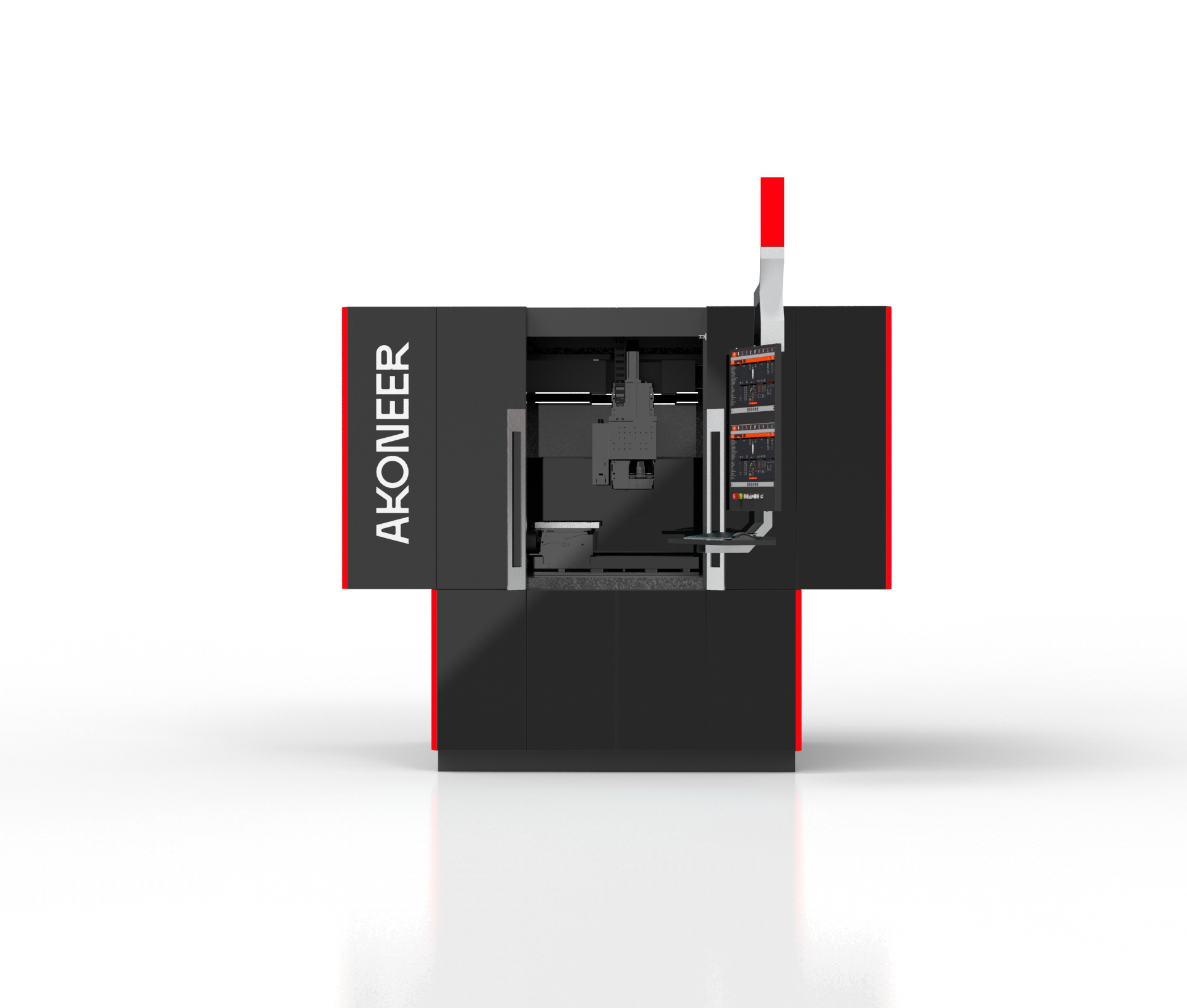
Medical device manufacturing demands precision, accuracy, and reliability. Among the technologies used to achieve these goals, laser cutting has become essential. This article explores medical device laser cutting, highlighting its advantages, applications, and technological advancements shaping its future.
Precision and accuracy in medical device manufacturing
Laser cutting technology delivers precision and accuracy crucial for the medical field. Medical devices often feature intricate designs and require tight tolerances. Traditional methods may falter, but laser cutting excels, achieving precision measured in micrometers. Devices like stents, surgical instruments, and implants benefit significantly, as any deviation can impact performance or safety. Typical laser cutters operate with a power range of 2–6 kW and offer repeatability of ±0.02 mm, ensuring consistent results.
Advantages of laser cutting in the medical field
Laser cutting in medical device manufacturing offers several advantages over conventional methods. First, its non-contact nature reduces contamination or warping risks, preserving material integrity. Second, laser cutting is versatile, working on metals, polymers, and ceramics, essential for devices made from diverse materials to meet functional needs. Additionally, laser cutting enables rapid prototyping and customization, catering to the industry's demand for custom solutions tailored to individual patient needs. Automation and precision contribute to reduced waste and increased efficiency, leading to cost savings. For example, Medtronic has integrated laser cutting into its stent production, achieving a 20% increase in manufacturing efficiency and reducing material waste by 15%.
Applications of laser cutting in medical devices
Laser cutting is crucial in producing various medical devices. One prominent application is stent manufacturing, requiring precise patterns for flexibility and strength. Laser cutting provides the necessary accuracy. Surgical instruments also benefit, as laser cutting produces sharp edges and complex shapes without compromising material properties. In implant fabrication, such as hip and knee replacements, laser cutting ensures biocompatibility and durability, enabling complex geometries and smooth finishes. Furthermore, laser cutting is vital for microfluidic devices used in diagnostics, creating intricate channels and features accurately.
Technological advancements in laser cutting
The field of laser cutting is evolving, driven by technological advancements enhancing its capabilities. Ultrafast lasers, operating at high speeds and producing minimal heat-affected zones, minimize thermal damage to sensitive materials. The integration of computer-aided design (CAD) software with laser systems allows greater design flexibility and precision, enabling complex geometries. Advanced materials like shape memory alloys and bioresorbable polymers are increasingly used in medical devices. Laser cutting adapts to these materials, expanding its applications. Automation and machine learning further enhance laser cutting. Automated systems improve efficiency and consistency, while machine learning algorithms can optimize cutting parameters, improving quality and reducing waste.
Challenges and considerations
While laser cutting offers numerous benefits, it presents challenges. The initial investment in laser cutting equipment can be substantial. However, long-term benefits such as increased efficiency and reduced waste often outweigh initial costs. Precision and complexity require skilled operators and rigorous quality control measures. Material considerations are also crucial. Different materials respond differently to laser cutting; understanding these interactions is vital for desired outcomes. Factors such as material thickness, thermal conductivity, and reflectivity must be considered when selecting laser cutting parameters.
Future prospects of laser cutting in medical devices
The future of laser cutting in medical device manufacturing is promising. As demand for personalized and minimally invasive solutions rises, laser cutting technology will play a pivotal role in meeting these needs. Advances in laser technology, coupled with innovations in materials and design, will further expand possibilities for medical device manufacturing.
In summary, medical device laser cutting is a powerful tool offering precision, versatility, and efficiency. Its applications in the medical field are diverse, from stents and surgical instruments to implants and diagnostic devices. As technology advances, laser cutting will remain at the forefront of medical device manufacturing, driving innovation and improving patient care.