Manufacturer of special laser engraving machines
Special laser engraving machines are essential tools, offering unparalleled efficiency and adaptability across diverse industries with advanced features tailored to specific industrial needs.
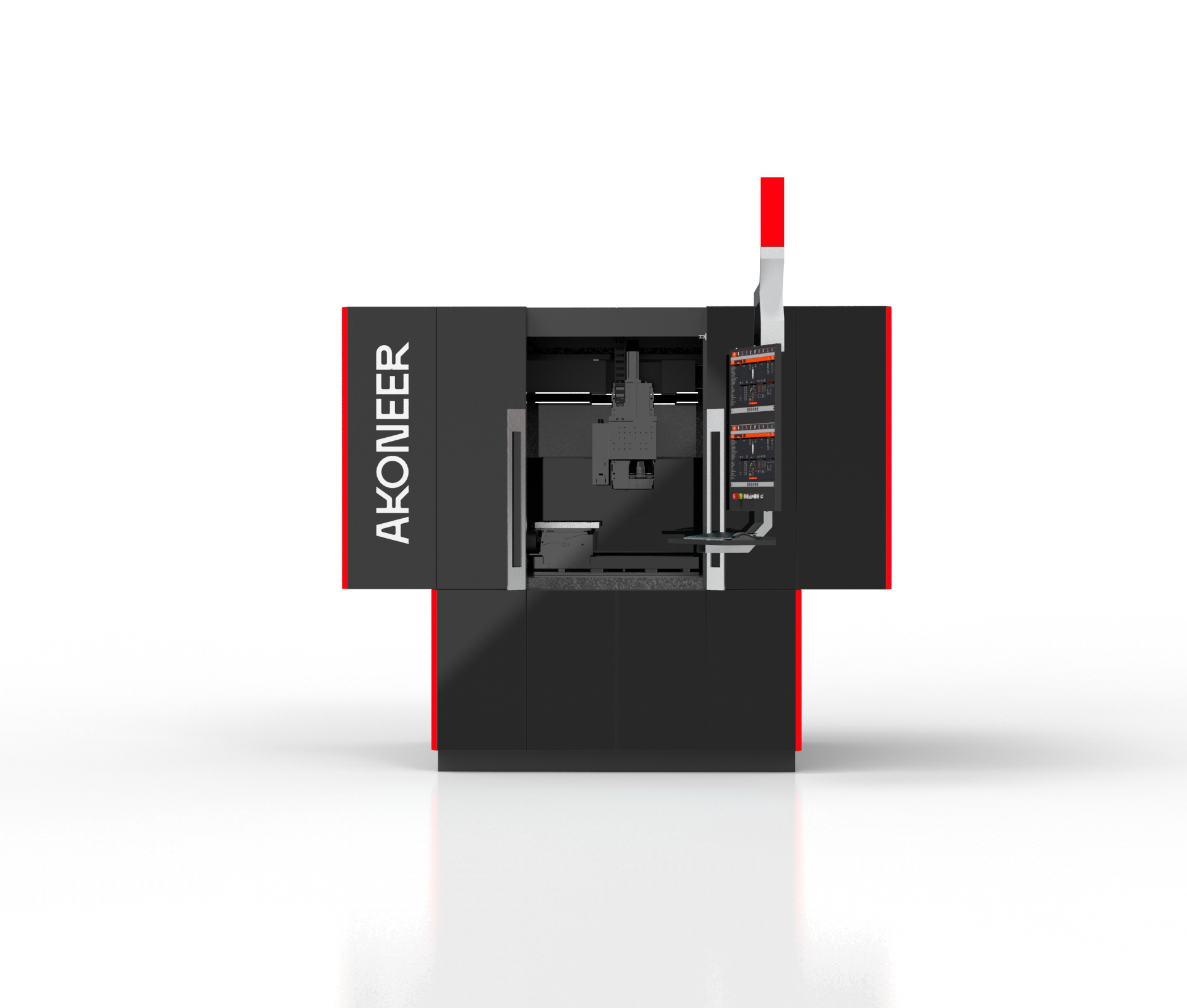
In the modern era of industrialization and technology, laser engraving machines have become pivotal tools across various sectors. These machines offer precision, efficiency, and versatility in engraving materials, making them indispensable for many manufacturers. This article focuses on the role and capabilities of manufacturers specializing in special laser engraving machines, examining the design, application, and technological advancements that set these machines apart in the marketplace.
Understanding the basics of laser engraving machines
Laser engraving uses a laser beam to etch or mark the surface of an object. Unlike traditional methods, laser engraving is contactless, preventing wear on both the surface and tool over time. This non-contact nature leads to high precision, with repeatability often reaching ±0.02 mm, making laser engraving particularly suitable for detailed and intricate designs. Special laser engraving machines enhance these basic advantages by incorporating advanced features tailored to specific industrial needs.
Design and engineering of special laser engraving machines
The design of special laser engraving machines begins with understanding the specific requirements of the industries they serve. These machines are engineered with cutting-edge technology to accommodate unique materials, sizes, and shapes. For instance, UV laser engraving machines are ideal for heat-sensitive materials like plastics and glass, while fiber laser machines, optimized for metal engraving, offer high-speed capabilities with cutting speeds up to 30 m/min. The integration of computer-controlled systems ensures designs are executed with remarkable accuracy.
The engineering process involves selecting suitable laser sources, such as CO2, fiber, or diode lasers, each offering distinct advantages depending on the application. Machine mechanics, including motion control systems, are meticulously developed to ensure stability and precision during the engraving process. Manufacturers invest heavily in research and development to innovate and refine these components, meeting the evolving demands of various industries.
Applications across diverse industries
Special laser engraving machines find applications in numerous industries due to their versatility. In the automotive industry, they mark parts and components with serial numbers and logos, ensuring traceability and authenticity. The electronics sector benefits from laser engraving for labeling and cutting intricate circuit boards. In consumer goods, laser engraving personalizes products, from jewelry to electronics, enhancing their aesthetic value and uniqueness.
In the medical field, laser engraving machines are instrumental in marking surgical tools and implants, where precision and hygiene are paramount. The aerospace industry employs these machines for engraving critical data on engine parts and instruments. The ability to engrave on a wide array of materials, including metals, plastics, ceramics, and glass, makes these machines highly adaptable to specialized industrial needs. For example, Boeing uses fiber laser engraving machines to mark components, improving traceability and reducing errors by 20%.
Technological advancements and innovations
The technological landscape of laser engraving machines is constantly evolving, driven by innovation and the need for enhanced performance. Manufacturers are incorporating artificial intelligence and machine learning into their systems to improve accuracy and efficiency. Advanced software solutions enable real-time monitoring and control, allowing users to adjust parameters quickly and optimize the engraving process.
Another significant advancement is the development of multi-axis laser engraving machines, which allow for engraving on complex three-dimensional surfaces. This capability is particularly beneficial in industries requiring high customization and precision. Additionally, the advent of environmentally friendly laser technology, such as ultra-fast pulsed lasers, reduces energy consumption and material waste, aligning with global sustainability goals.
Challenges and future prospects
Despite the advantages, manufacturers of special laser engraving machines face challenges such as high initial costs and the need for skilled operators. Overcoming these obstacles requires ongoing innovation and education within the industry. As technology advances, the cost of laser systems is expected to decrease, making them more accessible to small and medium-sized enterprises.
The future of laser engraving machines looks promising, with ongoing research focusing on expanding material capabilities and enhancing precision and speed. As industry demands shift towards customization and efficiency, manufacturers are poised to develop machines that not only meet but exceed these expectations.
Industry impact
The impact of special laser engraving machines on various industries is profound, offering unmatched precision, versatility, and efficiency. As manufacturers continue to innovate, these machines will become even more integral to production processes worldwide. With applications ranging from automotive to aerospace, the role of laser engraving machines in shaping modern industry is undeniable. As we look to the future, the continued evolution of these machines promises to drive further advancements in manufacturing, setting new benchmarks for quality and performance.