Laser stencil cutting machine
Laser stencil cutting machines enhance design accuracy and efficiency across various industries, offering versatile applications from fashion to electronics.
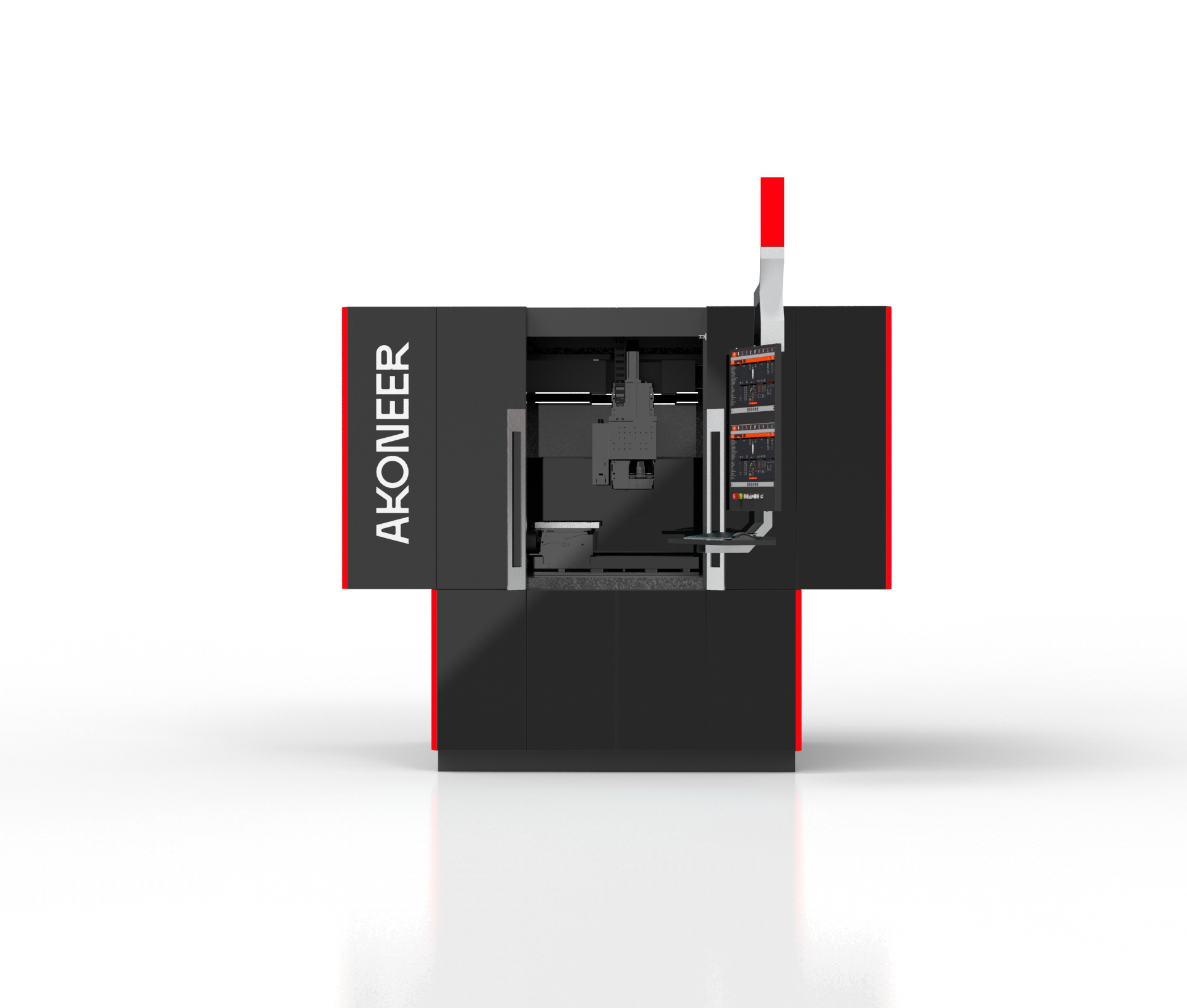
The laser stencil cutting machine is an innovative tool that has revolutionized how stencils are created and utilized across various industries. This article explores the specific functionalities, advantages, and applications of laser stencil cutting machines, offering a comprehensive understanding of their significance in modern manufacturing and artistry.
Understanding the technology behind laser stencil cutting machines
Laser stencil cutting machines use advanced laser technology to precisely cut intricate designs into different materials. These machines employ a focused beam of light, typically emitted by a CO2 or fiber laser, to vaporize material, leaving a clean cut. The technology is rooted in the principles of light amplification and controlled motion, enabling high precision in cutting.
The laser system consists of three main components: the laser source, the cutting head, and the motion system. The laser source generates the beam, the cutting head focuses it onto the material, and the motion system moves the material or laser head to follow the desired cutting path. This setup allows for intricate designs to be accurately reproduced on materials like paper, plastic, wood, and metal, with a kerf as fine as 0.1 mm and repeatability within ±0.02 mm.
Advantages of using laser stencil cutting machines
Laser stencil cutting machines offer unmatched precision, especially with complex designs, minimizing imperfections and material waste. Traditional methods often fall short, but laser cutting ensures each cut is clean and accurate. This efficiency reduces material wastage and enhances production effectiveness.
These machines are incredibly versatile, capable of cutting a variety of materials from thin paper to thick metal sheets up to 20 mm. The adaptability allows for quick transitions between different materials without extensive reconfiguration. Furthermore, the speed of laser stencil cutting machines is impressive, with some operating at cutting speeds of up to 30 m min⁻¹, significantly reducing lead times compared to manual methods. This speed is crucial for industries like packaging and textiles that demand quick turnarounds.
Applications across various industries
Laser stencil cutting machines find applications in numerous industries, each benefiting from the precision and efficiency they provide. In fashion, they enable the creation of intricate lace patterns and detailed fabric designs, pushing creative boundaries. In packaging and labeling, these machines produce custom labels and designs with high clarity, enhancing brand visibility. The electronics industry also benefits, especially in producing printed circuit boards (PCBs), where precise stencil masks are essential for soldering processes.
One real-world example is the company Trotec Laser, which uses laser stencil cutting machines to produce custom stencils for the automotive industry. By implementing laser technology, Trotec Laser has reduced production times by 50%, enhancing efficiency and output quality.
Environmental benefits and sustainability
Laser stencil cutting machines contribute to environmental sustainability. Their precision minimizes material waste, benefiting both the environment and production costs. As a non-contact process, laser cutting requires no physical tools that wear out, reducing waste and the need for frequent replacements.
Modern laser technology is also energy efficient, consuming less energy compared to traditional cutting methods, thus decreasing the carbon footprint of manufacturing processes.
Considerations when implementing laser stencil cutting technology
Despite clear advantages, companies must consider several factors when implementing laser stencil cutting technology. The initial investment can be significant, but long-term benefits often outweigh costs. It's crucial to assess production needs and align investments with operational goals.
Training and expertise are vital for maximizing machine benefits. Operators must understand the technology and troubleshoot potential issues. Investing in comprehensive training programs ensures optimal machine use. Regular maintenance is also essential to prevent downtime and extend machine lifespan.
The future of laser stencil cutting machines
As technology advances, laser stencil cutting machines are expected to expand capabilities. Innovations in laser technology, like enhanced power efficiency and precision, will likely lead to broader applications across industries. Automation and artificial intelligence integration may enable smarter production processes, allowing real-time adjustments and improved quality control.
In summary, laser stencil cutting machines represent a significant leap forward in precision manufacturing and artistry. Their ability to cut intricate designs with speed and accuracy makes them invaluable tools across multiple industries. As sustainability and efficiency gain importance, the role of laser stencil cutting machines in modern manufacturing is poised to grow, offering new opportunities for creativity and innovation.