Laser milling
Laser milling harnesses laser technology to machine materials with high accuracy, offering significant advantages across various industries.
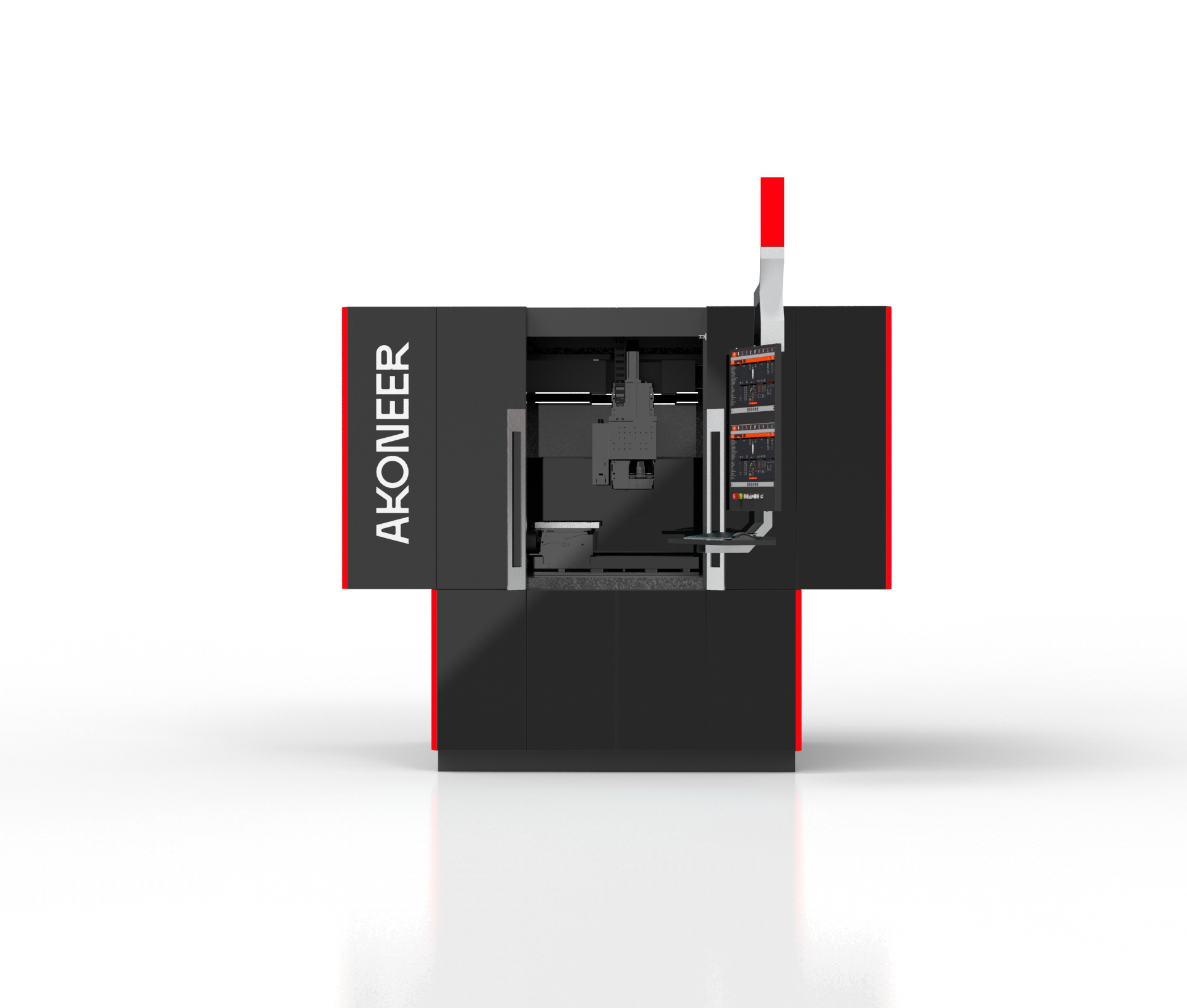
Laser milling is a process utilizing the precision of laser technology to machine materials with exceptional accuracy. This technique has gained popularity across various industries due to its capability to produce intricate designs and components without physical contact. The article explores the intricacies of laser milling, its advantages, applications, and the technical specifications that underpin its operation.
Understanding laser milling
Laser milling removes material by directing a high-intensity laser beam onto a workpiece. The energy from the laser rapidly heats and vaporizes the material, allowing for precise control over the milling process. Unlike traditional milling, which relies on mechanical cutters, laser milling employs a non-contact method of material removal, reducing wear and tear on equipment and extending machinery lifespan.
The process typically starts with generating a laser beam using carbon dioxide or fiber lasers, producing a beam with a high power density. This can be controlled in terms of intensity, duration, and focus. The beam, guided onto the workpiece using mirrors and lenses, allows intricate patterns and designs to be milled with sub-millimeter accuracy. Typical power settings range from 2 to 6 kW, providing the versatility needed to handle various materials.
Advantages of laser milling
One primary advantage of laser milling is its precision. Focusing the laser beam on a small area enables the creation of detailed and complex geometries, challenging to achieve with conventional milling techniques. This precision proves particularly beneficial in industries such as aerospace, automotive, and electronics, where high-quality components are in demand.
Minimal thermal distortion of the workpiece is another advantage. The laser's heat is concentrated on a small area, reducing the surrounding material's exposure to temperature changes. This results in a lower risk of warping or deforming the material, preserving the component's integrity.
Laser milling also offers flexibility in terms of materials. It can work on metals, ceramics, polymers, and composites, allowing manufacturers to produce parts from diverse materials without switching between different milling techniques. The repeatability of these laser systems is often within ±0.02 mm, ensuring consistent quality.
Applications of laser milling
Laser milling has found applications in various fields due to its ability to produce high-quality components with intricate designs. In the automotive industry, it is used to create complex engine components and lightweight structures, meeting stringent manufacturing tolerances to enhance vehicle performance and efficiency.
In the aerospace sector, laser milling produces components for aircraft and spacecraft. It works with advanced materials such as titanium and carbon composites, making it an ideal choice for parts requiring high strength-to-weight ratios. The precision ensures components meet the exacting requirements of aerospace applications.
The electronics industry benefits from laser milling, particularly in producing printed circuit boards (PCBs) and microelectromechanical systems (MEMS). The ability to mill fine features and patterns on PCBs ensures electronic devices' functionality, while MEMS components benefit from the precision and repeatability of the laser milling process. For example, Siemens has incorporated laser milling to reduce PCB production time by 30%, significantly increasing manufacturing efficiency.
Technical specifications and considerations
The effectiveness of laser milling depends on several technical specifications, including laser power, wavelength, and pulse duration. Laser power determines the rate of material removal, with higher power settings allowing faster milling but increasing the risk of thermal damage. The wavelength affects how the material absorbs laser energy, influencing the milling process's efficiency.
Pulse duration is another critical factor, especially when working with heat-sensitive materials. Shorter pulse durations, often in the femtosecond or picosecond range, minimize the heat-affected zone, reducing thermal distortion risk and improving the milled component's surface finish.
Manufacturers must also consider the workpiece's material properties, such as thermal conductivity and reflectivity, which influence how the material interacts with the laser beam, affecting milling efficiency and quality. Typical maximum steel thickness for laser milling is around 20 mm, allowing for versatile applications across various industries.
Future perspectives
The future of laser milling is promising, with ongoing advancements in laser technology and materials science. Developments in ultrafast laser systems are expected to enhance the precision and speed of laser milling, opening up new possibilities for its application in emerging fields such as nanotechnology and biomedical engineering.
As the demand for miniaturization and complex geometries continues to grow, laser milling is poised to play a crucial role in meeting these challenges. Its ability to produce high-quality components with minimal waste aligns with the industry's push towards sustainable and efficient manufacturing practices.
In summary, laser milling represents a significant advancement in manufacturing technology, offering unparalleled precision and versatility. Its applications across various industries underscore its importance, and future developments promise to expand its capabilities and impact further.