Laser micro hole drilling
Laser micro hole drilling is a vital technology for creating tiny holes in various materials across industries like aerospace, electronics, and medical device manufacturing.
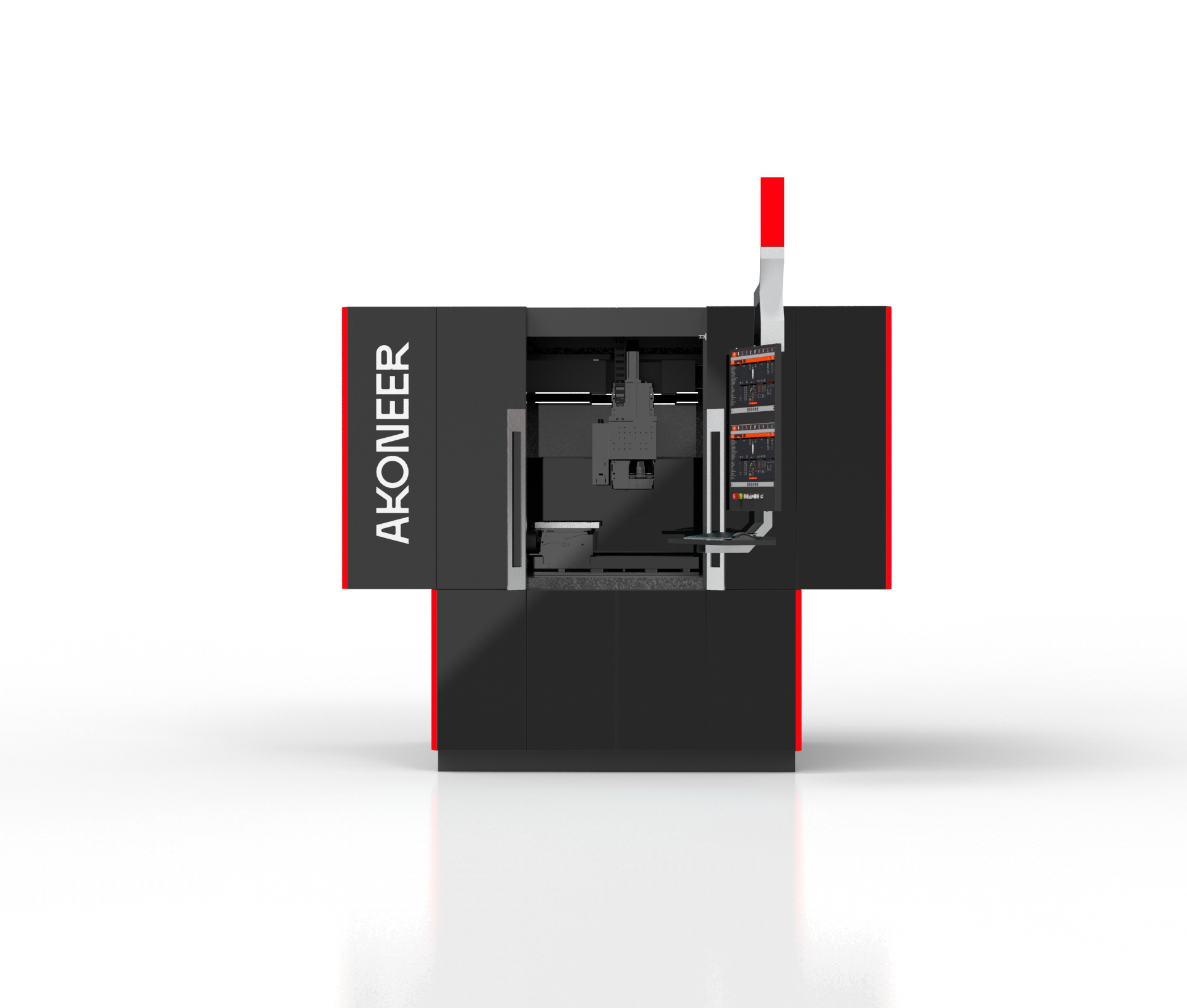
Laser micro hole drilling is a precise and efficient technique used in various industries to create tiny holes in different materials. This technology has become essential in fields such as aerospace, electronics, and medical device manufacturing, where accuracy and precision are paramount. The process involves using a focused laser beam to vaporize material, resulting in micro holes with diameters often less than a millimeter. This article delves into the intricacies of laser micro hole drilling, its applications, advantages, and the factors influencing its outcomes.
The science behind laser micro hole drilling
Understanding the science of laser micro hole drilling begins with grasping the basic principles of laser operation. A laser generates a concentrated beam of light that can be precisely controlled in terms of intensity, duration, and focus. When directed onto a material, the laser's energy is absorbed, causing rapid heating and vaporization. The energy density of the laser can be adjusted to control the depth and diameter of the holes. The ability to focus the laser beam onto a small area allows for the creation of micro holes with high precision and minimal thermal damage to the surrounding material. Typically, lasers used in this process operate at power levels between 2 and 6 kW, providing the precision needed for industrial applications.
Applications across diverse industries
Laser micro hole drilling has found applications across a wide range of industries, each benefiting from the precision and versatility of the technology. In the aerospace industry, the technique creates cooling holes in turbine blades, allowing for better thermal management and improved engine performance. In electronics, it is employed in producing printed circuit boards, where tiny holes are necessary for interconnecting various layers. The medical field uses this technology to fabricate components for medical devices, such as drug delivery systems, which require precise control over flow rates. Each application benefits from the non-contact nature of the laser process, reducing contamination and mechanical stress. Notably, GE Aviation implemented laser drilling to enhance turbine blade efficiency, achieving a 10% improvement in fuel efficiency.
Advantages over traditional drilling methods
Laser micro hole drilling offers several advantages over traditional mechanical drilling methods. One significant benefit is the ability to drill holes in hard and brittle materials, such as ceramics and glass, without causing cracks or fractures. The process is highly repeatable and can be automated, resulting in increased throughput and consistency. Moreover, laser drilling can achieve much smaller hole diameters than conventional methods, which is crucial for applications requiring micro-scale features. The precision of laser drilling also means reduced material waste and minimal post-processing requirements, leading to cost savings in production.
Factors influencing drilling outcomes
Several factors influence the outcomes of laser micro hole drilling, including laser parameters, material properties, and environmental conditions. Laser parameters such as wavelength, power, pulse duration, and repetition rate must be carefully selected to match the material being drilled. For instance, shorter wavelengths are generally more effective for drilling metals, while longer wavelengths suit polymers. Material properties, including thermal conductivity and absorption characteristics, play a crucial role in determining drilling efficiency and quality. Additionally, environmental conditions such as ambient temperature and humidity can affect the laser-material interaction and should be controlled to ensure consistent results. The typical repeatability for modern laser drilling systems is about ±0.02 mm.
Challenges and considerations
Despite its advantages, laser micro hole drilling presents certain challenges that must be addressed to optimize performance. One challenge is managing heat accumulation, which can lead to thermal damage or changes in material properties. This issue can be mitigated by using shorter pulse durations and optimizing pulse repetition rates to allow for adequate cooling between pulses. Another consideration is the potential formation of recast layers or debris around the drilled holes, which may require additional cleaning steps. Advances in laser technology, such as the development of ultrafast lasers, are helping to overcome these challenges by providing more precise control over the drilling process.
Future directions and technological advancements
The future of laser micro hole drilling looks promising, with ongoing research focused on enhancing the capabilities and efficiency of the technology. Innovations such as the use of ultrashort pulse lasers are expanding the range of materials that can be drilled and improving the quality of the holes produced. Additionally, advancements in beam shaping and delivery systems are enabling more complex drilling patterns and geometries. As industries continue to demand smaller and more intricate features, laser micro hole drilling will likely play an increasingly vital role in manufacturing processes.
Impact on manufacturing and industry standards
As laser micro hole drilling becomes more prevalent, its impact on manufacturing and industry standards is becoming more apparent. The technology is driving changes in design approaches, allowing for the creation of products with enhanced functionality and performance. Industries are updating their standards and guidelines to incorporate laser drilling capabilities, ensuring that products meet new demands for precision and quality. This shift is also leading to increased collaboration between manufacturers and researchers to develop best practices and optimize processes.
Laser micro hole drilling represents a significant advancement in manufacturing technology, offering unparalleled precision and versatility. Its applications across various industries highlight its importance in modern production processes. As technology continues to evolve, laser micro hole drilling will undoubtedly play a crucial role in shaping the future of manufacturing.