Laser micro cutting
Laser micro cutting enhances manufacturing with high-intensity beams for intricate designs and tight tolerances in electronics, medical, and aerospace industries.
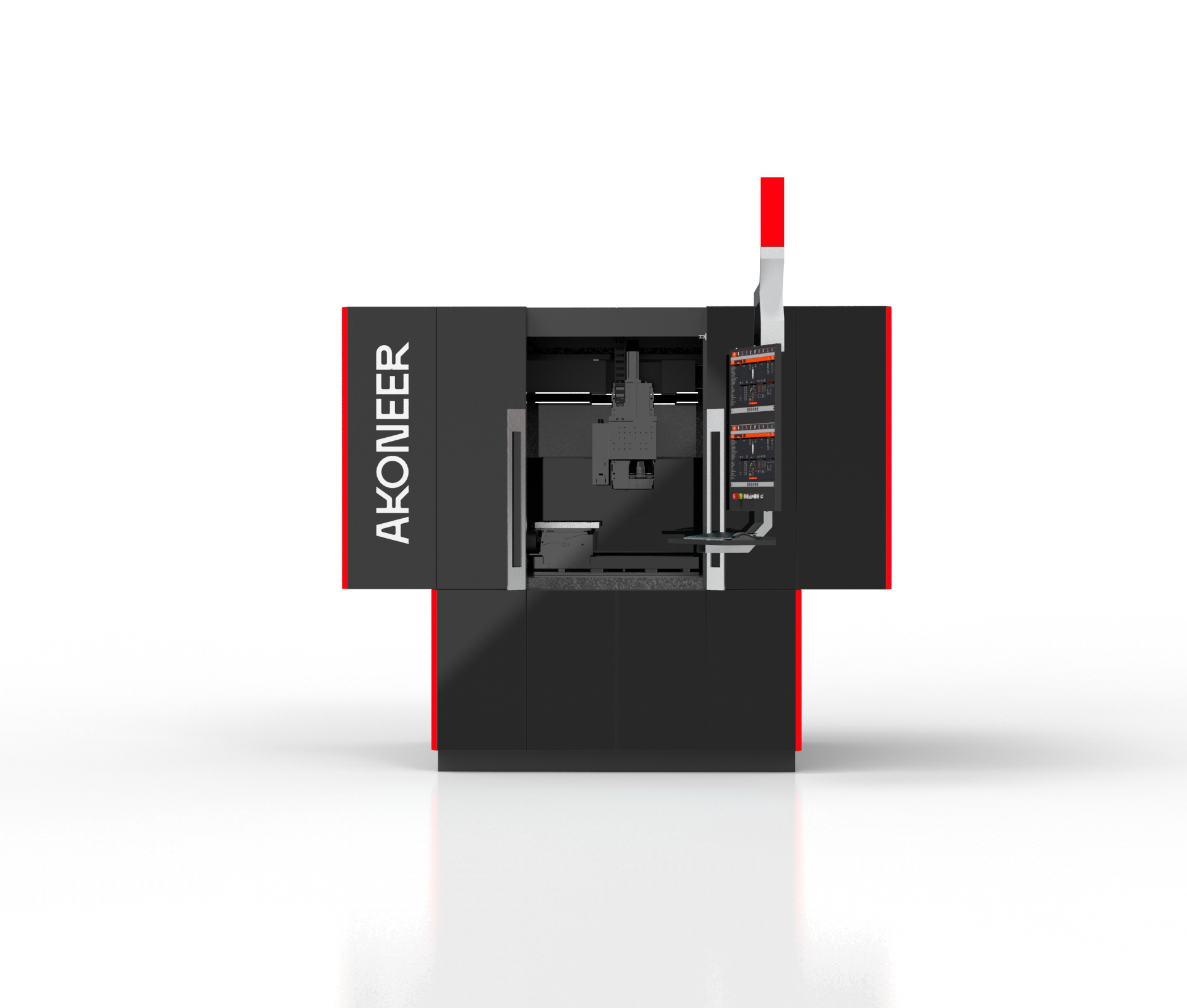
Laser micro cutting is a sophisticated manufacturing technology that employs high-intensity laser beams to cut and shape materials with exceptional precision. This technology is increasingly crucial in industries demanding intricate designs and tight tolerances, such as electronics, medical devices, and aerospace. By focusing on the principles, applications, and advantages of laser micro cutting, this article aims to provide a comprehensive understanding of its role in modern manufacturing.
Understanding the laser micro cutting process
The laser micro cutting process directs a focused laser beam onto the material to be cut, achieving temperatures capable of melting or vaporizing the material in a controlled manner. By moving the laser along a predetermined path, it creates intricate patterns and shapes with remarkable accuracy. The process, usually controlled by computer-aided design (CAD) software, ensures precision and consistency.
This method can produce extremely fine cuts with tolerances as tight as a few micrometers. Precision is achieved through advanced optics and motion control systems that guide the laser beam with exceptional accuracy. Additionally, the absence of physical contact between the cutting tool and the material reduces contamination and mechanical stress.
Key applications across industries
Laser micro cutting is utilized in various industries, each benefiting from its precision and versatility. In the electronics sector, it is commonly used to cut semiconductor wafers and produce intricate circuit patterns. The ability to achieve fine cuts without damaging delicate components is especially valuable in fabricating microchips and other electronic components.
In the medical field, laser micro cutting is instrumental in producing surgical instruments and implants. The technology allows for complex geometries and fine features essential for medical devices. For instance, stents and other implantable devices are often manufactured using laser micro cutting to ensure biocompatibility and functionality.
The aerospace industry benefits from laser micro cutting, particularly in producing lightweight and high-strength components. The precision and repeatability of the process make it ideal for manufacturing parts that must withstand extreme conditions and meet stringent quality standards. For example, Siemens uses laser micro cutting to enhance the efficiency of its turbine components, improving fuel efficiency by up to 1.5%.
Advantages over traditional cutting methods
Laser micro cutting offers several advantages over traditional cutting methods like mechanical cutting or chemical etching. One significant benefit is the precision level, with kerf widths often around 0.1 mm. The ability to create extremely fine cuts allows for complex geometries that would be challenging or impossible with other methods.
Additionally, laser micro cutting is a non-contact process, reducing the risk of mechanical stress and contamination and resulting in a higher quality finish. The process generates minimal heat-affected zones, preserving the material's structural integrity and properties.
The versatility of laser micro cutting is another advantage. It can be used on metals, plastics, ceramics, and composites, making it suitable for diverse applications and industries. Moreover, the process can be easily automated, allowing for high-volume production with consistent results.
Challenges and considerations
Despite its many advantages, laser micro cutting is not without challenges. One primary consideration is the initial investment cost, as the equipment and technology required can be expensive. However, the long-term benefits in precision, speed, and efficiency often justify the initial expenditure.
Another challenge is the need for specialized knowledge and expertise to operate laser micro cutting systems effectively. Operators must be trained to handle the equipment and understand the process intricacies to achieve optimal results. Additionally, ongoing maintenance and calibration are necessary to ensure the equipment continues to perform at a high level.
Material selection is also an important consideration. Different materials interact with laser beams differently, affecting the quality and speed of the cutting process. Understanding the properties of the material being cut is crucial for achieving the desired outcome.
Future prospects and innovations
The future of laser micro cutting looks promising, with ongoing research and development leading to advancements in the technology. Innovations in laser sources, such as ultrafast lasers, are enhancing the precision and speed of the process. These developments are expected to expand the range of materials and applications suitable for laser micro cutting.
Furthermore, integrating artificial intelligence and machine learning into laser micro cutting systems holds the potential to optimize the process even further. By analyzing data and making real-time adjustments, these technologies could improve efficiency and reduce errors.
As industries continue to demand higher precision and more complex designs, laser micro cutting is poised to become an increasingly vital tool in modern manufacturing. Its ability to meet the challenges of today's technological landscape makes it a valuable asset for companies looking to maintain a competitive edge.