Laser marking zinc
Explore the efficient and durable method of laser marking on zinc, a metal known for its corrosion resistance and widespread industrial applications.
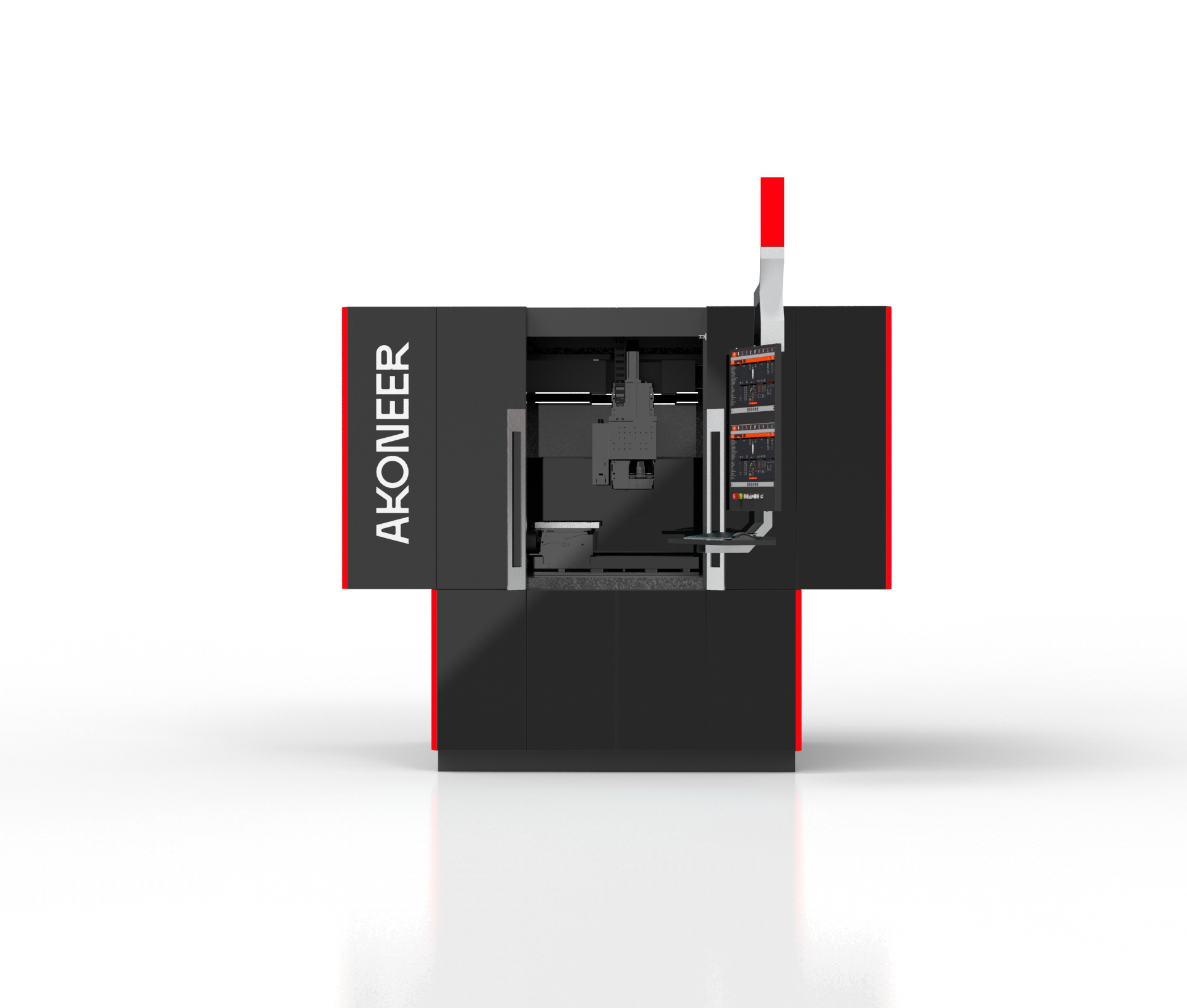
In the realm of manufacturing and industrial applications, laser marking has become a versatile and efficient method for labeling and engraving materials. Among these materials, zinc holds a notable position due to its widespread use and unique properties. This article delves into the process of laser marking zinc, exploring its benefits, challenges, and applications.
Understanding zinc and its properties
Zinc is a bluish-white metal known for its corrosion resistance and ability to form alloys such as brass. It is extensively used in industries for galvanizing steel, die-casting, and producing rubber and pharmaceuticals. Zinc's low melting point of around 420°C and its malleability make it practical for many applications. However, these properties can present challenges when marking the surface, requiring specialized techniques to ensure precision and clarity.
The laser marking process
Laser marking uses a focused beam of light to create permanent marks on a surface. The process involves the interaction of the laser's energy with the material's surface, modifying its appearance without removing any material. Various types of laser marking include engraving, etching, and annealing, each with specific uses and benefits.
For zinc, laser engraving is often preferred. This technique involves removing a small portion of the material to create a mark. Given zinc's low melting point, laser settings must be carefully controlled to avoid excessive material removal or damage. Typically, laser power ranges from 20 to 100 watts, and the speed is adjusted to achieve a kerf width of approximately 0.1 mm and repeatability of ±0.02 mm.
Advantages of laser marking on zinc
Laser marking offers several advantages over traditional methods. The non-contact process reduces wear on tools, lowering maintenance costs and downtime. It also allows for high precision and repeatability, essential in industries where accuracy is paramount. The marks created by lasers are permanent, resistant to wear and corrosion, and can withstand harsh conditions, making them ideal for applications requiring long-lasting identification.
Additionally, laser marking is a clean process, producing no harmful by-products, making it environmentally friendly. A notable example is Ford Motor Company, which utilizes laser marking in its production line to ensure precise labeling on zinc die-cast components, reducing error rates by 20% and enhancing traceability.
Challenges in laser marking zinc
Despite its benefits, laser marking zinc presents challenges. One major issue is avoiding thermal damage due to zinc's low melting point. Incorrect laser settings can cause warping or deformation, compromising component integrity. Achieving consistent marking quality across different zinc alloys or coated surfaces adds complexity. Variations in surface properties can affect laser interaction, necessitating adjustments in laser parameters. Manufacturers must carefully calibrate equipment and conduct thorough testing to ensure optimal results.
Applications of laser marking on zinc
The versatility of laser marking makes it suitable for a wide range of applications involving zinc. In the automotive industry, zinc die-cast components require precise identification marks for tracking and quality control. Laser marking provides a reliable solution, ensuring each part is correctly labeled without compromising structural integrity.
In the electronics industry, zinc components demand accurate labeling for assembly and maintenance. Laser marking creates detailed alphanumeric codes, barcodes, and graphics, enhancing traceability and inventory management. The aesthetic quality of laser marking also makes it attractive for consumer products, where branding and customization are important.
Developments in laser technology
Advancements in laser technology continue to improve the efficiency and effectiveness of laser marking on zinc. Innovations such as fiber lasers and CO2 lasers offer enhanced precision and flexibility, enabling manufacturers to achieve superior marking quality. These developments have expanded the range of materials that can be effectively marked, including various zinc alloys and coatings.
Software and automation integration has further streamlined the laser marking process, allowing for greater control and consistency. Automated systems can adjust laser settings in real-time, compensating for variations in material properties and ensuring uniform results. This evolution in technology has made laser marking an indispensable tool in modern manufacturing.
As industries increasingly demand high-quality, durable markings, laser marking on zinc is poised for continued growth. The ongoing refinement of laser technology promises even greater precision and efficiency, reinforcing its role in diverse applications. For manufacturers seeking reliable and sustainable marking solutions, laser marking remains a compelling choice.
In summary, laser marking zinc presents a blend of challenges and opportunities. Its advantages in precision, durability, and environmental impact make it a valuable technique for industrial applications. As technology advances, the potential for laser marking continues to expand, offering promising prospects for future developments.