Laser marking tungsten
Laser marking technology effectively addresses the challenges of working with tungsten's unique properties across various industries.
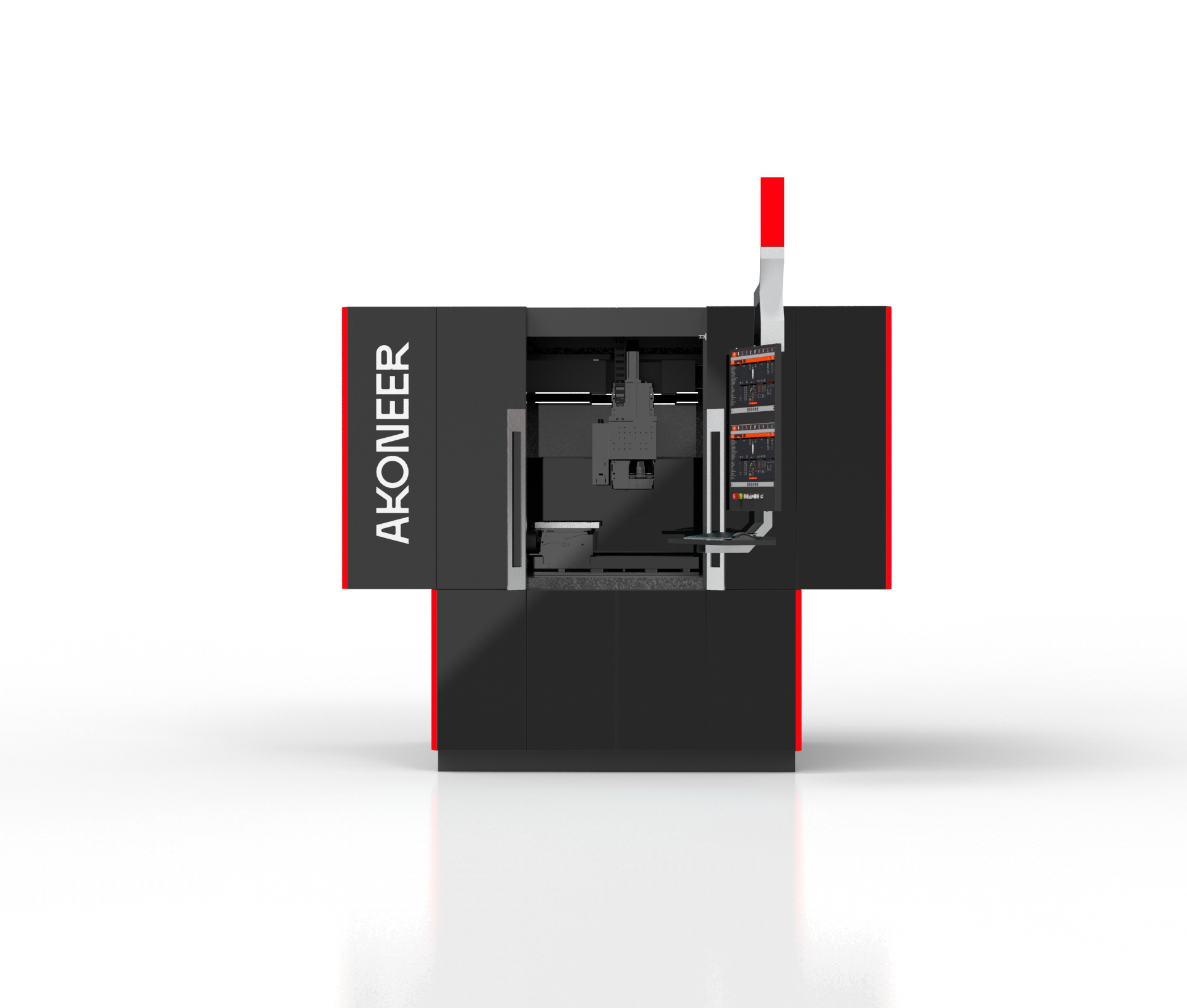
The increasing demand for high-precision and durable markings in various industries has positioned laser marking at the forefront of technological applications. Among materials benefiting from this technology, tungsten stands out due to its unique properties. This article explores the intricacies of laser marking tungsten, highlighting its significance, challenges, and applications.
Understanding tungsten's properties
Tungsten is renowned for its extraordinary hardness and high melting point, which make it a popular choice in industries ranging from aerospace to electronics. The metal's high density (19.3 g/cm³) and strength allow it to withstand extreme conditions, making it valuable for applications such as electrical contacts, filaments, and military-grade equipment. However, these same characteristics present challenges for marking. Traditional methods often fail due to tungsten's resistance to wear and heat, necessitating advanced techniques like laser marking to achieve desired results.
How laser marking works with tungsten
Laser marking uses a concentrated beam of light to create precise, permanent marks on a surface. The laser interacts with tungsten to induce changes, such as discoloration or engraving, without causing significant damage. Fiber lasers, often used for marking tungsten, offer high power and efficiency. For instance, a fiber laser operating at 1064 nm with power settings between 20-100 W can produce clean, legible marks without compromising the material's integrity. The laser's wavelength, pulse duration, and intensity are optimized to achieve the desired marking effect, ensuring that the marks can endure harsh conditions akin to tungsten itself.
Challenges in laser marking tungsten
Despite its advantages, laser marking tungsten presents challenges. One significant issue is potential surface cracking due to tungsten's brittleness. High-intensity lasers can cause thermal expansion, leading to micro-fractures that may compromise the material's integrity. To mitigate this risk, operators maintain strict control over the laser's parameters, adjusting power and speed to minimize thermal stress. Another challenge is achieving consistent contrast in markings. Tungsten's natural gray color makes it difficult to produce high-contrast marks without additional processing. Techniques like annealing or adding a coating layer can enhance contrast but may introduce complexities. These challenges require a deep understanding of laser technology and material science for successful outcomes.
Applications across industries
The ability to mark tungsten precisely and durably has opened diverse applications across various industries. In aerospace, laser marking ensures identification marks remain legible throughout a component's lifecycle, crucial for maintaining traceability and quality control. Similarly, in electronics, where tungsten is used in microcircuits and contacts, laser marking provides reliable labeling that withstands high temperatures and electrical currents. In the medical field, tungsten's biocompatibility and resistance to corrosion make it ideal for surgical instruments and implants. Laser marking allows for precise and permanent identification, ensuring compliance with stringent regulatory standards without introducing contaminants. A notable application is the use of laser-marked tungsten components by SpaceX, where such durability ensures performance under extreme conditions, exemplifying the technology's critical role in aerospace advancements.
Advancements and future prospects
The field of laser marking is continually evolving, with ongoing research aimed at overcoming limitations and enhancing capabilities. Advances in laser technology, such as the development of ultrafast lasers and adaptive optics, hold promise for improving precision and efficiency of laser marking on tungsten. These technologies can potentially reduce thermal effects and enhance contrast, making the process more versatile. The integration of artificial intelligence and machine learning into laser marking systems could streamline the process by optimizing laser parameters in real time, enabling more efficient marking, reducing waste, and improving productivity. As industries continue demanding high-quality markings on challenging materials like tungsten, these innovations will play a crucial role in meeting those needs.