Laser marking for traceability
Laser marking enhances traceability by providing durable and efficient product identification across various industries.
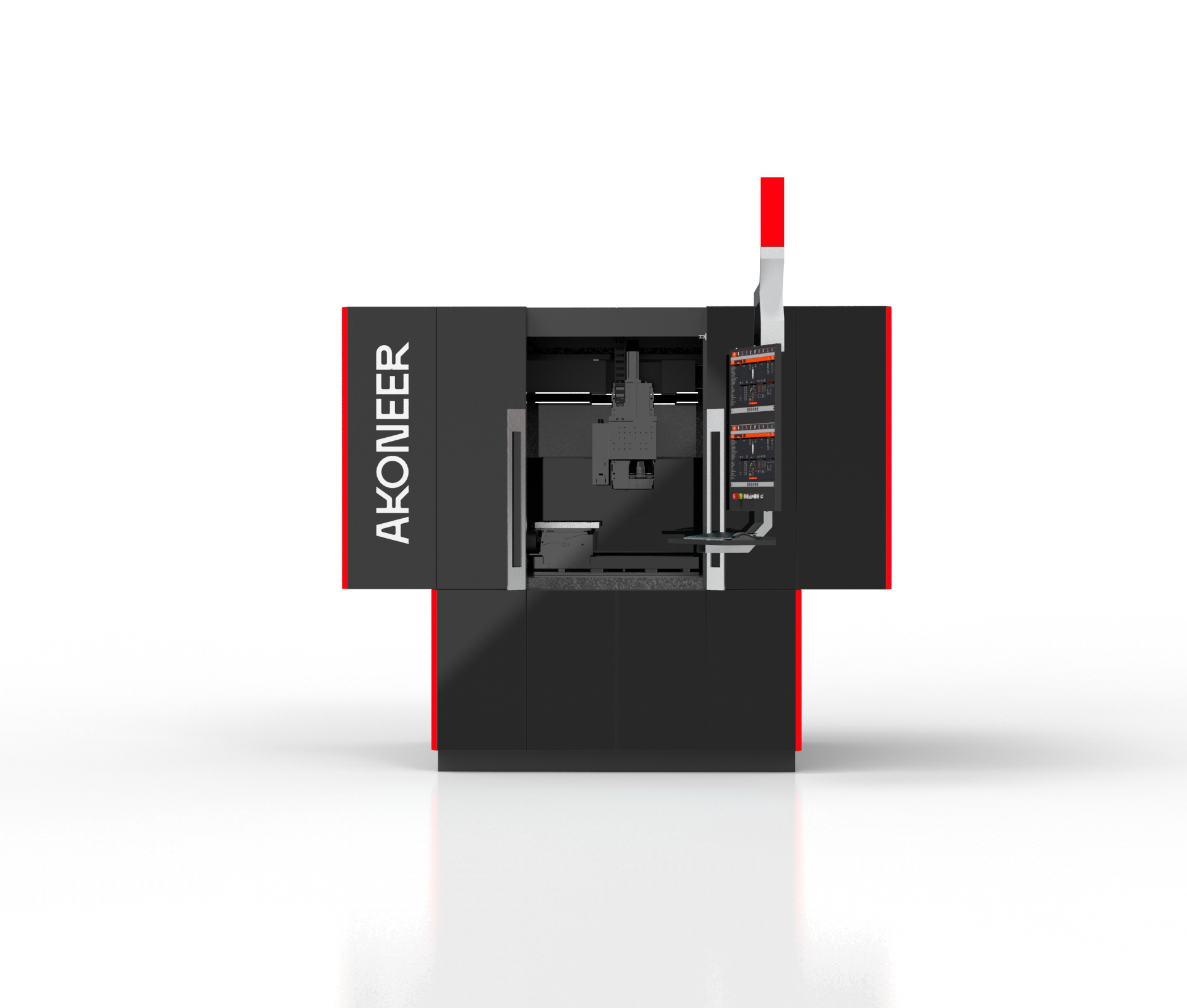
In today's global marketplace, the ability to trace products through every stage of production and distribution is essential. Traceability ensures that products can be tracked and verified in terms of origin, authenticity, and compliance, thereby enhancing quality control and consumer trust. One of the most effective methods for achieving traceability is laser marking. This technology offers a precise, durable, and efficient solution for marking products with critical tracking information.
The importance of traceability
Traceability allows businesses to monitor the movement of products from the initial stages of production to the final point of sale. This capability is vital for quality assurance, regulatory compliance, and counterfeiting prevention. In industries such as automotive, aerospace, pharmaceuticals, and electronics, traceability is a necessity. For instance, in the automotive sector, each component must be traceable to ensure safety and compliance with industry standards. If a defect is detected, traceability allows manufacturers to pinpoint the affected batch, reducing recall costs and protecting consumer safety.
How laser marking works
Laser marking uses a concentrated beam of light to create marks on the surface of materials. The laser alters the material at a molecular level, ensuring the mark's permanence and readability. This process applies to metals, plastics, ceramics, and glass. Unlike traditional methods such as engraving or stamping, laser marking is non-contact, meaning it does not apply pressure or cause wear to the material. This makes it ideal for delicate and high-precision components. Typical lasers operate at power levels ranging from 10 to 100 watts, with a repeatability of ±0.01 mm, ensuring high precision.
Types of laser marking
- Annealing: Used primarily for metals, the laser heats the material to bring out the natural color of the oxide, resulting in a mark resistant to corrosion and wear.
- Etching: The laser removes a small amount of material to create a visible mark. This method is fast, operating at speeds up to 5 m/min, and is suitable for high-speed applications.
- Foaming: The laser melts the surface of the plastic to create a raised mark, commonly used for plastics, leaving a contrasting color compared to the base material.
- Carbonizing: This involves using the laser to reduce the material's surface, creating a dark mark, often applied to organic materials like woods and some polymers.
Advantages of laser marking for traceability
Laser marking provides high precision and clarity, essential for small components and complex geometries. The marks are resistant to environmental factors such as heat, chemicals, and abrasion, ensuring longevity and reliability. Additionally, laser marking is versatile, marking a wide range of materials and surfaces, making it suitable for diverse industries. It is highly efficient, allowing for rapid production cycles without compromising quality. The non-contact nature of laser marking reduces the risk of damage to components, crucial for delicate items. For instance, Siemens utilizes laser marking to ensure the traceability of its medical devices, resulting in a 20% reduction in recall times due to enhanced identification capabilities.
Applications across industries
Laser marking is employed across various industries to enhance traceability. In the medical industry, it marks surgical instruments and implants with serial numbers and barcodes, ensuring they can be tracked and verified. In electronics, laser marking labels circuit boards and components with critical information such as part numbers and manufacturing dates. The automotive industry relies on laser marking for marking engine parts, chassis components, and safety features to ensure compliance and facilitate recalls if necessary. Even in consumer goods, laser marking adds branding, instructions, and tracking information on products.
Challenges and considerations
While laser marking offers numerous advantages, challenges exist. The initial cost of laser marking systems can be significant, although the investment is often offset by increased efficiency and reduced maintenance costs compared to traditional methods. Selecting the right laser system for specific materials and applications is crucial for achieving desired results. Businesses must ensure their marking processes comply with industry standards and regulations, which may require additional testing and validation.
Future trends in laser marking for traceability
The future of laser marking for traceability looks promising, with advancements in technology continuing to enhance its capabilities. Developments in laser sources and optics are expected to improve marking precision and speed. Integration with digital technologies, such as the internet of things (IoT) and blockchain, could further streamline traceability processes, making it easier to track and authenticate products throughout their lifecycle. As industries place greater emphasis on sustainability, laser marking's ability to provide permanent and non-toxic marks will likely make it an even more attractive solution.
In summary, laser marking is a powerful tool for achieving traceability across various industries. Its precision, durability, and efficiency make it an indispensable technology for ensuring product quality, safety, and compliance in an increasingly complex global market.