Laser marking titanium
Laser marking titanium is a vital process across industries, known for its accuracy, durability, and adaptability to various applications.
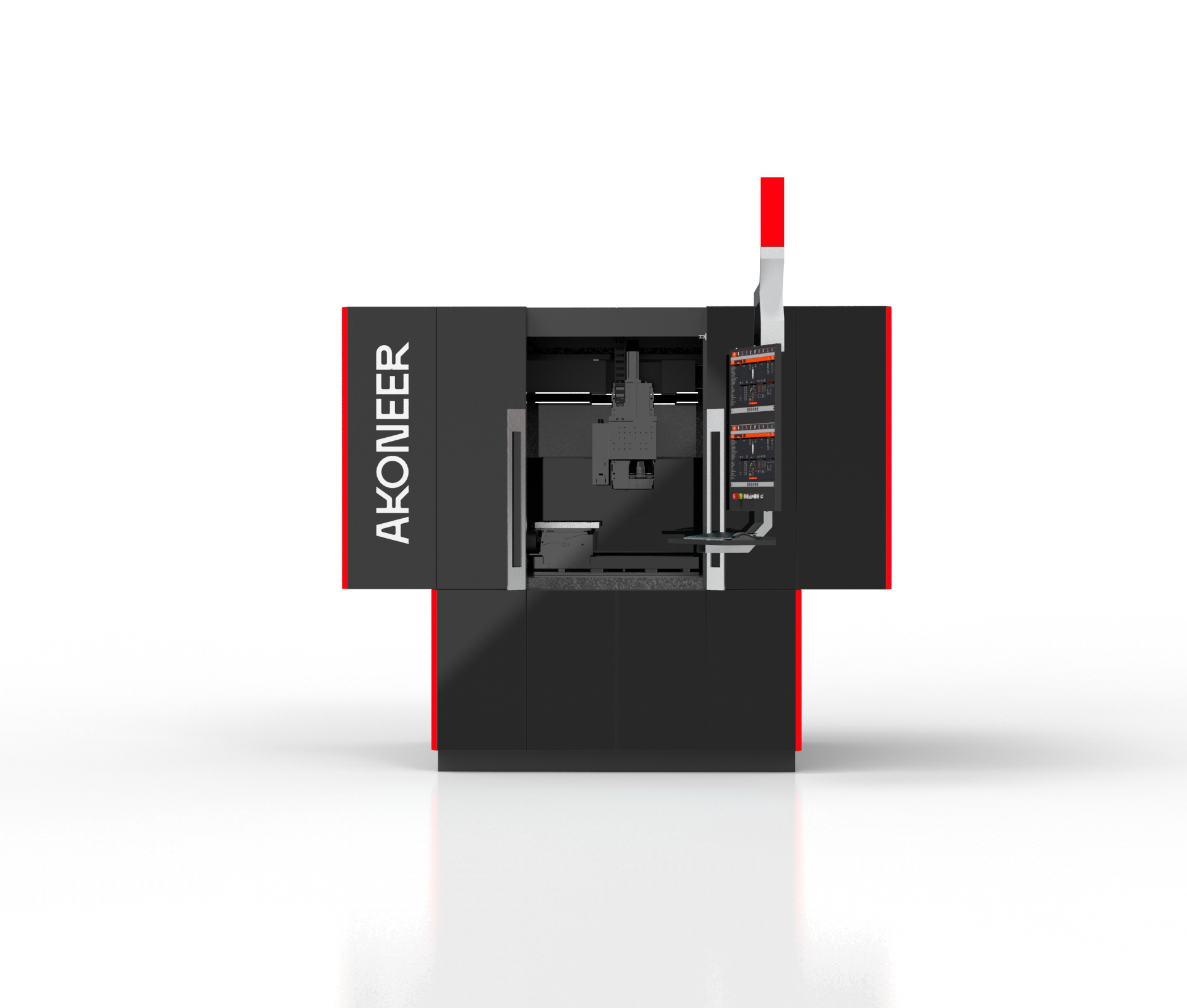
Laser marking titanium has emerged as a critical process in various industries, offering precision, durability, and versatility. This article explores the principles behind laser marking on titanium, its advantages, applications, and the factors influencing the process. Understanding these elements can help industries select the right laser marking techniques and equipment for their specific needs.
Understanding the laser marking process
Laser marking uses laser beams to create marks on materials. With titanium, a focused beam of light alters the metal's surface, creating high-contrast marks that are permanent and resistant to wear. The non-contact method prevents physical damage or deformation to the titanium surface. The laser's wavelength, power, and speed are crucial parameters determining mark quality. Different laser types, such as fiber lasers and CO2 lasers, have varying wavelengths optimized for specific applications. Fiber lasers, for instance, excel in marking metals like titanium due to their shorter wavelengths and higher precision.
Advantages of laser marking on titanium
Laser marking on titanium offers several advantages. Precision is a primary benefit, achieving fine details impossible with traditional methods. This precision is crucial in aerospace and medical industries, where detailed marks are often required. Laser marks resist wear, corrosion, and heat, ideal for harsh environments. Unlike ink-based methods, they do not fade over time or require additional coatings. Laser marking is efficient and can be automated, reducing time and labor costs. It's also a clean process, free from chemicals or waste, making it environmentally friendly.
Applications in various industries
Titanium finds widespread use in aerospace, medical, automotive, and jewelry industries, each benefiting uniquely from laser marking. In aerospace, laser marking applies serial numbers, barcodes, and identifiers, ensuring traceability and compliance with safety standards. In the medical field, laser marking is vital for identifying surgical instruments and implants. The biocompatibility of titanium makes it popular for medical devices, with laser marking ensuring sterile marks that don't compromise material integrity. The automotive industry uses laser marking for parts identification and branding, with high contrast and permanence ensuring visibility even after prolonged use. In jewelry, laser marking allows for detailed designs and personalization without damaging the delicate titanium surface.
Factors influencing laser marking quality
Several factors influence the quality of laser marking on titanium. The choice of laser type, power settings, and marking speed are critical for desired results. Fiber lasers, known for precision and adaptability, are often preferred for titanium. Power settings must be calibrated to penetrate surfaces without causing damage. Typical power settings range from 2 to 6 kW, with repeatability around ±0.02 mm. The marking speed also affects quality; faster speeds may reduce depth and contrast, while slower speeds can increase precision. Adjusting these parameters helps achieve optimal balance for specific applications. Surface condition plays a role; a clean, smooth surface results in sharper marks compared to a rough or contaminated surface. Pre-treatment methods like cleaning or polishing can enhance mark quality.
Future trends in laser marking technology
As technology advances, laser marking is expected to become more precise and adaptable. Innovations like ultrafast lasers are likely to enhance capabilities, allowing finer details and complex designs. For example, a major aerospace manufacturer integrated fiber lasers into its production line, reducing marking time by 30% and improving traceability accuracy by 15%. Integration with digital technologies like IoT and automation will streamline manufacturing processes, allowing real-time monitoring and control, improving efficiency and quality assurance. Sustainability is another trend shaping laser marking's future. As industries focus on reducing environmental impact, the clean, waste-free nature of laser marking makes it attractive. Continued research and development will likely lead to more sustainable practices.
Laser marking on titanium is a crucial process offering precision, durability, and efficiency across various industries. By understanding the principles and factors influencing the process, industries can better utilize this technology to meet their specific needs and stay ahead in an ever-evolving market.