Laser marking technology
Laser marking technology is essential for modern manufacturing, providing accuracy, durability, and adaptability across diverse industries and materials.
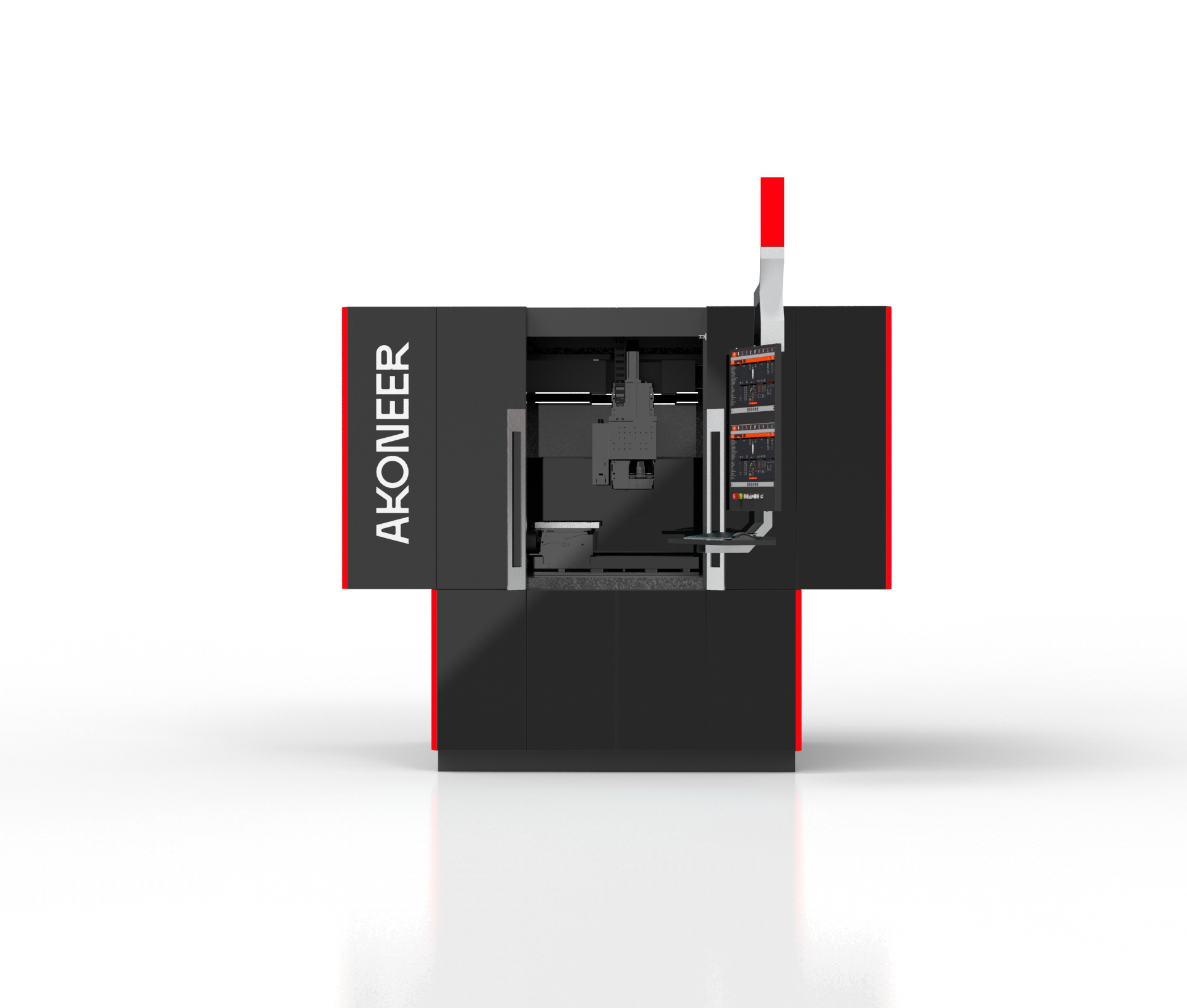
Laser marking technology has become a fundamental technique across various industries, offering precision, efficiency, and versatility. This article delves into the working principles, applications, advantages, types, and future trends of laser marking technology. With its unique characteristics, laser marking has transformed how manufacturers mark, etch, and engrave products.
Understanding laser marking
Laser marking uses laser beams to create permanent marks on a surface. The laser beam interacts with the material, causing a change in its surface properties by removing a layer, changing its color, or altering its physical structure. The non-contact process ensures the material remains intact, achieving precision by focusing the laser beam to diameters as small as 0.01 mm. The technology relies on laser-material interaction, where absorbed laser energy causes thermal or photochemical changes. Key parameters like wavelength, power (typically 10–100 watts), and pulse duration tailor the process to the material and desired marking effect. This flexibility makes laser marking suitable for materials ranging from metals and plastics to ceramics and organic materials like wood and leather.
Applications in various industries
Laser marking technology finds applications in numerous sectors due to its versatility. In the automotive industry, it marks parts with serial numbers, barcodes, and logos, ensuring traceability and compliance with regulations. The electronics industry benefits from precise component labeling, facilitating quality control and identification. Medical devices require precise markings for identification and safety, which laser marking ensures. The aerospace industry relies on laser marking for readable markings on parts that must endure extreme conditions. In the jewelry and fashion sectors, laser marking engraves intricate designs and personalizes products without damaging materials. The packaging industry uses laser marking to print expiration dates, batch numbers, and other crucial information directly onto products, reducing the need for additional labeling. A notable case is BMW, which uses laser marking to engrave QR codes on engine parts, enhancing traceability and reducing errors by 30%.
Advantages of laser marking
Laser marking offers several advantages over traditional methods. It provides high precision and accuracy, allowing for detailed and complex designs. The marks are permanent, resistant to wear and tear, and can withstand harsh environmental conditions. The non-contact nature of the process minimizes material damage, making it suitable for delicate items. Laser marking's speed and efficiency boost productivity and reduce operational costs. Since the process is automated, it seamlessly integrates into existing production lines, improving workflow and consistency. Additionally, laser marking is environmentally friendly, as it eliminates the need for inks, chemicals, or other consumables, reducing waste and pollution.
Different types of laser marking
Various laser marking techniques exist, each with distinct characteristics. Laser engraving removes material to create deep, permanent marks, commonly used for high-durability applications. Laser etching alters the material's surface properties without removing it, resulting in slightly raised marks, often used for plastics and metals. Laser annealing changes the color of the material surface through controlled oxidation, primarily marking metals with corrosion-resistant marks. Laser ablation removes thin layers of material, suitable for delicate applications requiring minimal material removal.
The future of laser marking technology
As technology advances, laser marking continues to evolve, offering new opportunities and challenges. Developments in laser sources, such as fiber lasers and ultrafast lasers, enhance the precision and efficiency of the process. These advancements enable marking of even more complex materials and geometries, expanding the range of applications. The integration of laser marking with digital technologies, such as data analytics and machine learning, opens possibilities for smart manufacturing. This integration allows for real-time monitoring and optimization of the marking process, improving quality control and reducing errors. The demand for customization and personalization in consumer products drives innovation in laser marking, pushing the boundaries of what's achievable. The growing emphasis on sustainability and eco-friendly practices influences the future of laser marking. As industries seek to reduce their environmental impact, laser marking's ability to eliminate consumables and reduce waste makes it an attractive option.
Laser marking technology plays a critical role in modern manufacturing, offering precision, durability, and flexibility across various industries. Its adaptability to different materials and applications ensures its continued relevance and growth. As technology advances, laser marking is poised to evolve further, meeting the ever-changing demands of the industrial landscape.