Laser marking technologies
Laser marking technologies enhance modern manufacturing with efficient, versatile solutions across industries, emphasizing quality and sustainability.
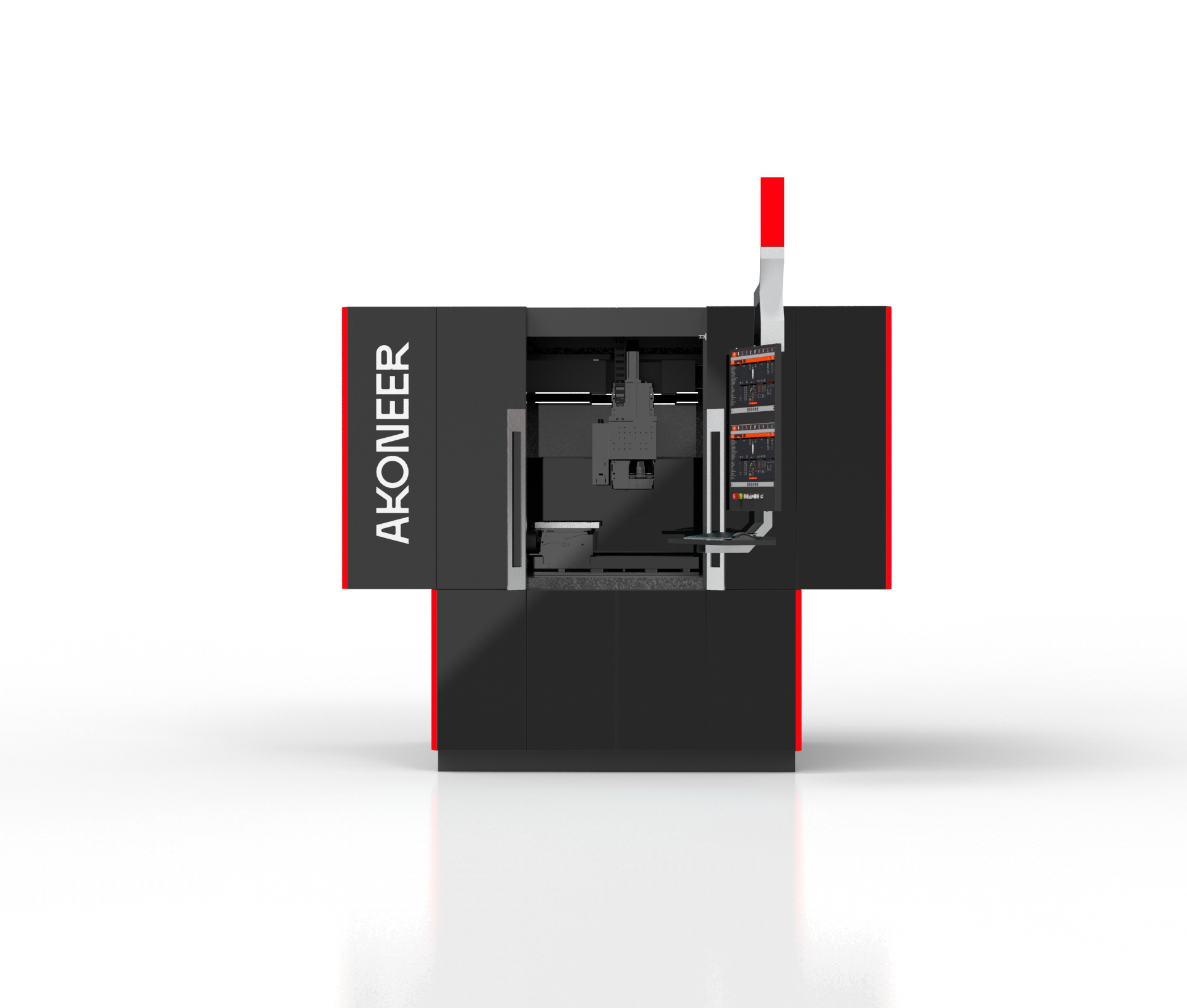
Laser marking technologies are at the forefront of modern manufacturing, providing precise and efficient solutions for a multitude of industries. As a leading laser machine manufacturer, understanding these technologies is essential for optimizing production processes and ensuring high-quality outputs. This article delves into the various aspects of laser marking technologies, exploring their mechanisms, applications, advantages, and future developments.
Understanding laser marking
Laser marking uses a focused beam of light to alter a material's surface, creating marks like barcodes, logos, or serial numbers without physical contact. This process includes several types: annealing, engraving, etching, and ablation, each serving different purposes based on material compatibility. The choice of laser type—fiber, CO2, or UV—depends on specific application needs and material characteristics. For instance, fiber lasers operate with power levels ranging from 20 to 100 watts, making them ideal for metals.
Mechanisms and technologies
Laser marking operates through precise control of parameters such as power, speed, frequency, and wavelength. Fiber lasers, renowned for their efficiency and precision, are widely used for metal marking, offering high-quality results with minimal maintenance. CO2 lasers, with power levels of up to 150 watts, excel in marking non-metal materials like plastics, wood, and glass. UV lasers provide a cold marking process, ideal for heat-sensitive materials such as certain plastics and thin films, ensuring minimal thermal impact. Each laser type employs a unique mechanism to achieve the desired mark, whether by altering the material's color, engraving its surface, or vaporizing it.
Applications across industries
The versatility of laser marking technologies has led to their adoption across various sectors. In the automotive industry, laser marking ensures traceability and compliance with safety standards by marking parts and components with serial numbers or barcodes. The electronics industry uses laser marking for labeling circuit boards and components, where precision is crucial due to the small sizes involved. Medical device manufacturers rely on laser marking to create durable and sterile markings on surgical instruments and implants. Additionally, laser marking is prevalent in the aerospace, jewelry, and packaging industries, among others, demonstrating its wide-ranging applicability.
Advantages of laser marking
Laser marking offers several advantages over traditional methods. It provides high precision and repeatability, ensuring consistent quality across large production batches. The non-contact nature minimizes equipment wear and reduces the risk of damaging sensitive materials. Furthermore, laser marking is a clean process, requiring no inks or chemicals, making it environmentally friendly and cost-effective over time. The ability to mark a wide variety of materials and shapes with high speed—up to 30 meters per minute—and accuracy makes laser marking an indispensable tool in modern manufacturing.
Challenges and considerations
Despite its benefits, laser marking technologies present challenges. The initial investment can be substantial, especially for high-end systems with advanced capabilities. Additionally, selecting the correct laser type and parameters for specific applications requires expertise. Material compatibility is another consideration, as not all materials respond equally well to laser marking. The increasing demand for high-speed production necessitates continuous advancements to maintain efficiency and quality. A leading electronics company, for example, implemented laser marking to improve traceability and achieved a 20% reduction in production errors.
Future developments in laser marking
The future of laser marking technologies is promising, driven by ongoing research and innovation. Advances in laser sources, such as ultrafast and high-power lasers, are expected to enhance marking speed and quality. The integration of artificial intelligence and machine learning in laser systems could enable real-time process optimization and defect detection. Furthermore, the development of new materials and coatings that respond well to laser marking will expand the range of applications. As industries continue to prioritize sustainability, laser marking technologies will likely evolve to offer even more eco-friendly solutions.
Laser marking technologies are a cornerstone of modern manufacturing, offering precise, efficient, and versatile marking solutions. Understanding the mechanisms, applications, and advantages of these technologies is crucial for manufacturers seeking to optimize their production processes. Despite the challenges, the future of laser marking is bright, with ongoing advancements paving the way for even more innovative and sustainable solutions. As a laser machine manufacturer, staying abreast of these developments will ensure that your products and processes remain at the cutting edge of technology.