Laser marking systems
Laser marking systems offer efficient, versatile solutions for permanent product identification across various industries.
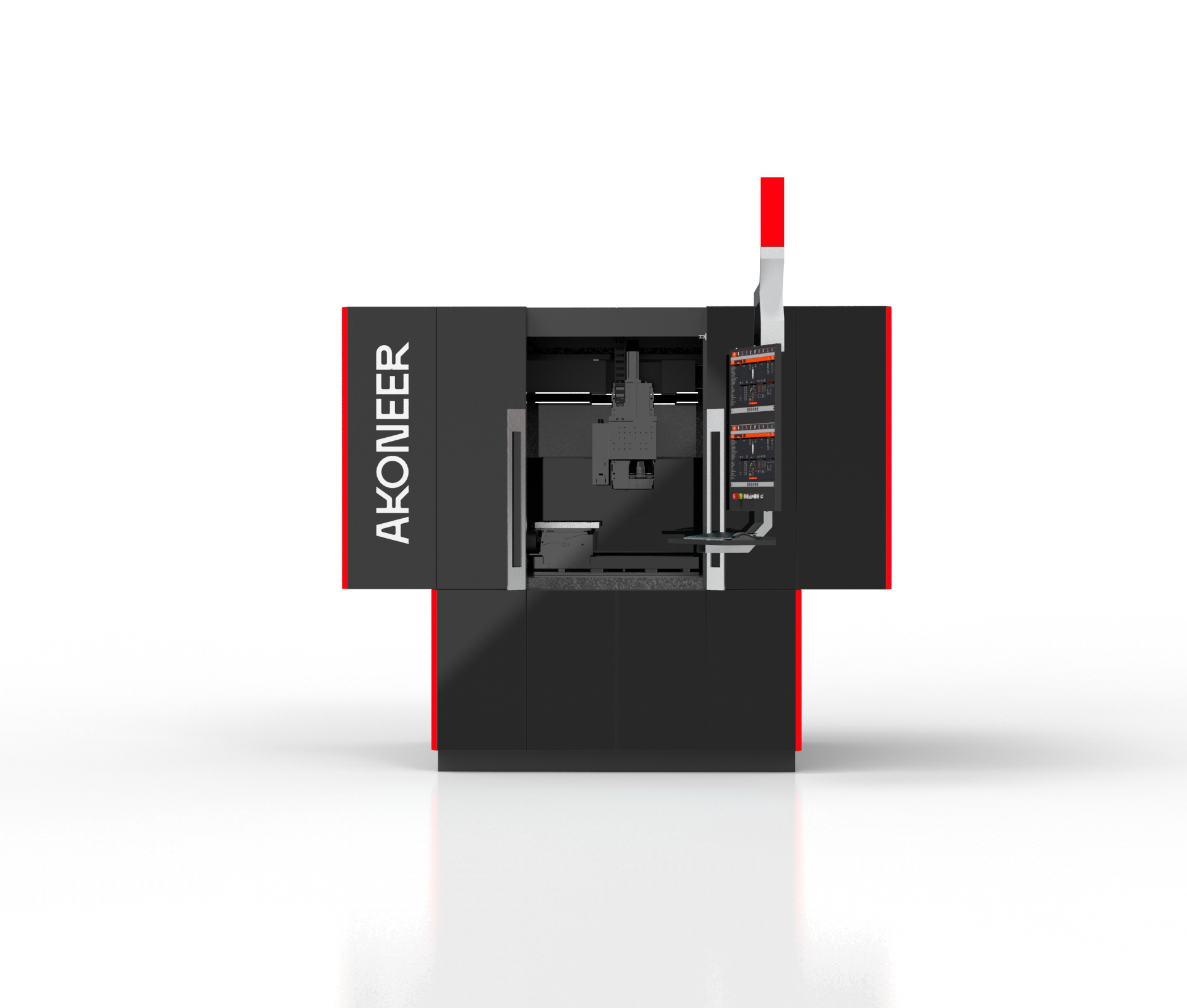
Laser marking systems have revolutionized the way industries mark and identify their products. Over the years, these systems have evolved into essential manufacturing tools, offering precision, speed, and flexibility unmatched by traditional methods. This article delves into the intricacies of laser marking systems, exploring their mechanisms, applications, advantages, and future potential.
Understanding laser marking systems
Laser marking systems utilize focused beams of light to create permanent marks on material surfaces. The laser beam interacts with the surface, altering its properties to produce a visible mark. Techniques such as annealing, ablation, foaming, and engraving are employed based on the material and desired outcome. These systems can work on metals, plastics, ceramics, and glass, showcasing their versatility.
The core components include the laser source, scanning head, control unit, and software. The laser source generates the beam, while the scanning head directs it onto the material. The control unit regulates the laser's power and movement, ensuring precise marking, with typical repeatability of ±0.02 mm. Specialized software allows for the design and customization of intricate patterns, barcodes, serial numbers, and logos.
Applications across industries
Laser marking systems are integral across various industries due to their adaptability and precision. In the automotive sector, they mark parts with serial numbers, barcodes, and logos for traceability and authenticity. The electronics industry uses them for labeling circuit boards and microchips, where precision is crucial. In the medical field, laser marking labels surgical instruments and implants, ensuring durability and legibility.
The aerospace industry benefits from these systems for parts identification and traceability, critical for safety and maintenance. In the jewelry and luxury goods market, they enable intricate, high-quality engravings that enhance product aesthetics. Additionally, laser marking is employed in the packaging industry for labeling products with expiration dates, batch numbers, and QR codes, facilitating supply chain management.
Advantages of laser marking systems
One primary advantage is precision; the focused laser beam allows for marking with exceptional accuracy and detail, even on small surfaces. This precision is vital in industries with limited space or intricate design needs. Moreover, laser marking is a non-contact process, reducing equipment wear and maintenance costs.
Environmentally friendly, these systems do not require inks, solvents, or chemicals, minimizing waste. The marks created are permanent, resistant to wear, heat, and chemicals, ensuring product longevity. This durability is crucial for industries where products face harsh conditions or require markings to last their entire lifecycle.
Speed and efficiency are significant advantages. Laser marking systems can produce high-quality marks rapidly, with cutting speeds reaching 30 m min⁻¹, improving production throughput and reducing lead times. Automation capabilities further enhance productivity, minimizing human error and integrating seamlessly with existing production lines.
Challenges and considerations
Despite numerous benefits, challenges persist. The initial investment for laser marking equipment can be high, particularly for advanced systems with sophisticated features. However, long-term savings on consumables and maintenance often offset these costs, making them cost-effective over time.
Material compatibility is another consideration. While these systems can work on various materials, not all respond equally well. The choice of laser type and parameters must be carefully selected to achieve desired results without material damage. Additionally, safety precautions are necessary when working with laser equipment to protect operators from potential risks.
The future of laser marking systems
The future of laser marking systems is promising, with ongoing technological advancements driving innovation and expanding capabilities. Developments in laser sources, such as fiber lasers and ultrafast lasers, enhance marking speed, precision, and versatility. The integration of artificial intelligence and machine learning into these systems enables smarter, adaptive processes that optimize marking in real time.
As industries demand higher standards of traceability, security, and customization, laser marking systems are expected to play an increasingly vital role. Their ability to provide permanent, high-quality marks remains essential in a world where counterfeiting and product diversion are growing concerns. Furthermore, as sustainability becomes a priority, the environmentally friendly nature of laser marking becomes an even more attractive feature.
In conclusion, laser marking systems have transformed industrial marking, offering unparalleled precision, efficiency, and adaptability across diverse applications. As technology advances, these systems will become more integral to manufacturing processes, supporting industries in meeting their evolving challenges and demands.