Laser marking on steel
Laser marking on steel provides industries with a reliable method for inscribing durable and clear information on components.
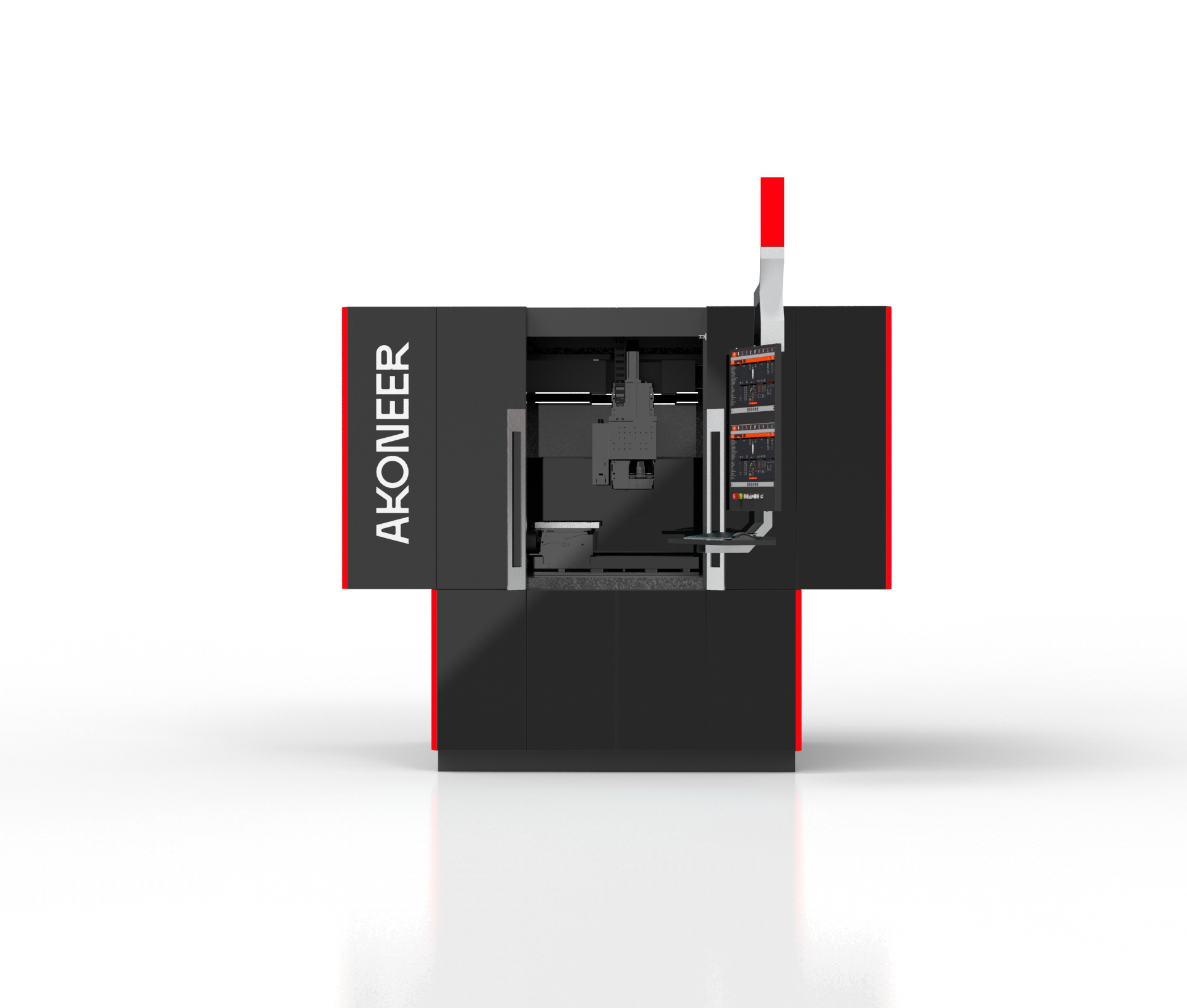
Laser marking on steel involves inscribing or marking the surface of steel using a laser beam. This technique is essential in industries such as manufacturing, automotive, aerospace, and more due to its precision, durability, and clarity. This article explores the technology behind laser marking on steel, its diverse applications, the benefits it offers, and considerations for selecting the right laser marking system.
Understanding laser marking technology
Laser marking technology uses a focused laser beam to alter the surface properties of steel. Various types of laser marking include annealing, etching, engraving, and ablation, each with unique characteristics tailored to specific application needs. Annealing heats the steel surface, causing oxidation and color changes without material removal. Etching and engraving remove material to create depth, while ablation removes layers to reveal underlying material. These techniques enable precise control over depth, color, and texture, allowing for the creation of complex designs, logos, serial numbers, and other identifiers.
Applications in industry
Laser marking on steel is valued across industries for its reliability and versatility. In the automotive sector, it labels parts with serial numbers, logos, and safety information, aiding traceability and regulatory compliance. Marking speeds can reach up to 30 meters per minute, ensuring efficient production. In aerospace, laser marking provides essential data on components, like part numbers and batch codes, crucial for maintenance, repair, and overhaul processes. Medical device manufacturing also benefits, with precise labels on surgical instruments and implants meeting stringent hygiene and traceability standards. For example, Siemens uses laser marking systems to label and track critical components, enhancing their production efficiency by 20% and ensuring compliance with international standards.
Benefits of laser marking on steel
Laser marking offers numerous advantages over traditional methods. Its high precision and accuracy allow for detailed designs, ensuring even the smallest marks are legible. The process achieves repeatability within ±0.02 mm, critical for components with limited surface area. Marks are resistant to wear, corrosion, and high temperatures, making them suitable for harsh environments. This permanence ensures critical information remains intact throughout a product's lifecycle. Additionally, laser marking is environmentally friendly, requiring no consumables like inks or chemicals, thereby reducing waste and lowering operating costs.
Choosing the right laser marking system
Selecting the appropriate laser marking system is crucial for achieving desired results. Considerations include the type of steel, required mark quality, and production speed. Fiber lasers, often preferred for marking metals like steel, offer efficiency and precision, handling high-volume production without quality loss. These lasers can mark steel up to 20 mm thick. CO2 lasers, while less common for steel, are used in specific applications where their properties are beneficial. The software and hardware capabilities of the laser marking system are also important. Advanced software options enable mark customization and integration with existing production processes, ensuring seamless operation and increased efficiency.
Future trends and developments
The field of laser marking on steel continues to evolve, driven by technological advancements and the demand for improved traceability and quality control. Emerging trends include integrating laser marking systems with automation and robotics, enhancing production efficiency and reducing the potential for human error. Developments in laser technology, such as ultrafast lasers and 3D marking capabilities, expand possibilities for complex and high-resolution marks. These innovations are expected to open new opportunities in industries where precision and customization are critical. As environmental concerns grow, the demand for sustainable manufacturing practices will likely drive further innovation in laser marking. Continued research and development will focus on improving energy efficiency and reducing the environmental impact of laser marking systems.
Laser marking on steel is a versatile and effective method for permanently marking components with essential information. Its applications span a wide range of industries, offering benefits such as precision, durability, and environmental sustainability. As technology advances, laser marking systems will become even more integral to modern manufacturing processes. By understanding the various aspects of laser marking, businesses can make informed decisions and harness the full potential of this sophisticated technology.