Laser marking stainless steel
Laser marking stainless steel offers durable, efficient labeling solutions across industries, meeting demands for traceability and compliance with minimal environmental impact.
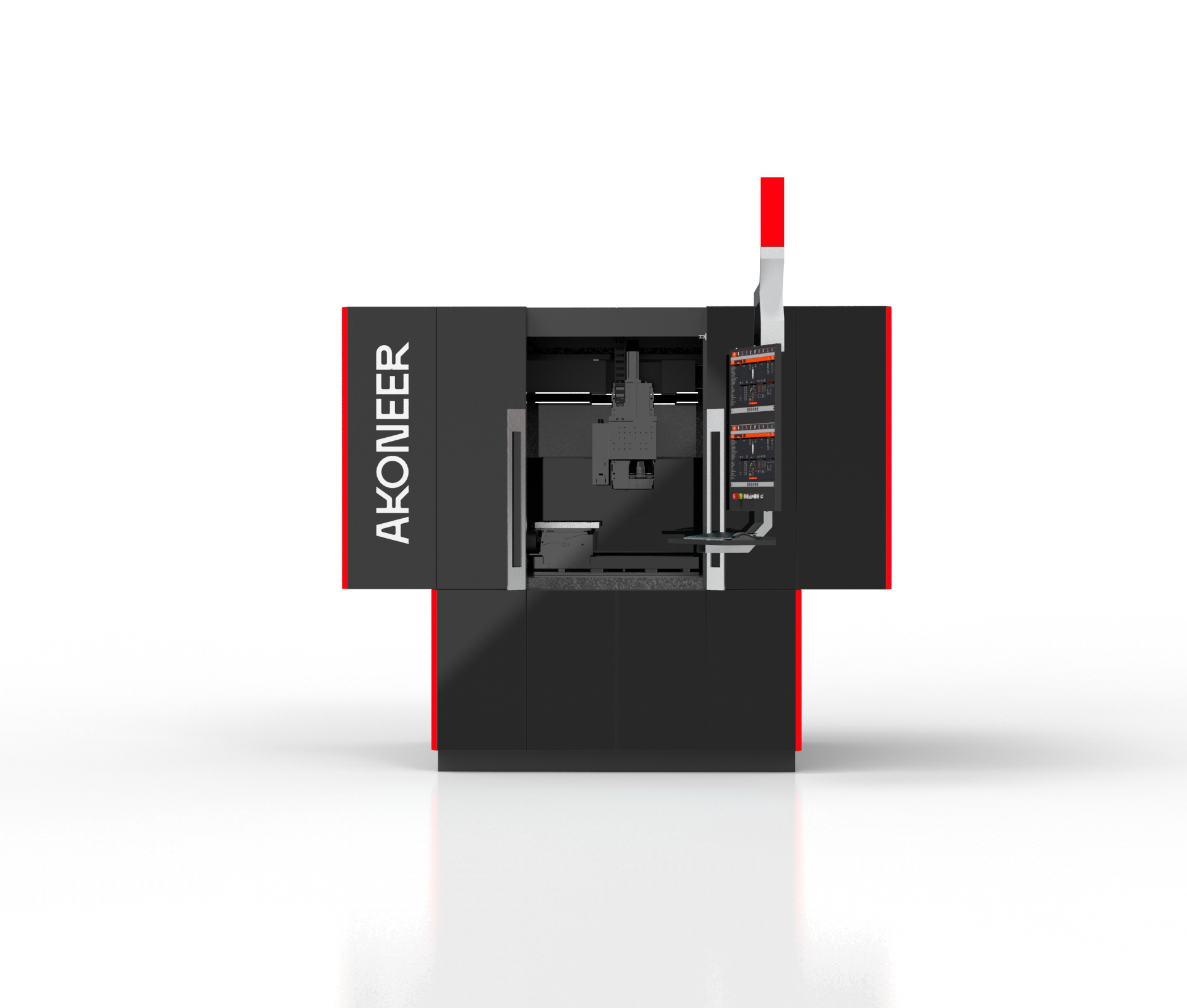
Laser marking stainless steel is an essential process in industries such as automotive, aerospace, medical, and manufacturing. As the demand for precision and longevity in product labeling grows, laser marking emerges as a preferred technique due to its efficiency and durability. This article explores the fundamentals of laser marking stainless steel, its benefits, and its diverse applications.
Understanding laser marking technology
Laser marking uses a concentrated beam of light to create permanent markings on surfaces. Unlike engraving, which removes material, laser marking alters the material’s surface characteristics. It relies on precise control of laser parameters—such as power (typically 20–100 watts), speed, and focus—to achieve the desired mark without damaging the substrate. For stainless steel, the laser's heat causes oxidation or color change, producing clear, legible marks.
Stainless steel is prized for its corrosion resistance, strength, and aesthetic appeal, making it popular in industries requiring durable and hygienic materials. However, these properties can pose marking challenges. Laser marking overcomes these by providing a non-contact method that preserves material integrity. It is compatible with various stainless steel grades, offering application flexibility.
Advantages of laser marking stainless steel
One primary advantage of laser marking stainless steel is its permanence. The marks are highly resistant to wear, heat, and chemicals, ensuring legibility throughout the product's lifecycle. This is crucial in industries where traceability and regulatory compliance are vital. For instance, medical instruments must be clearly marked for identification and sterilization. Laser marking meets these stringent requirements reliably.
Laser marking excels in precision and speed, producing intricate designs or small text with high accuracy. This makes it ideal for applications demanding fine detail. The process is quick, supporting high throughput in manufacturing settings, resulting in cost savings by reducing production time and minimizing extra processing steps.
Environmental considerations also favor laser marking. The process avoids inks, solvents, or other consumables that generate waste or emit VOCs, making it an environmentally friendly alternative to traditional methods such as screen printing or chemical etching. Companies aiming to reduce their environmental impact will find laser marking appealing.
Applications across industries
Laser marking's versatility makes it applicable across various industries. In automotive, components like engine parts, chassis, and interior fittings are marked with serial numbers, logos, or barcodes for identification and traceability. Laser marking withstands harsh conditions, making it ideal for these applications.
In aerospace, where precision and reliability are paramount, laser marking is used for parts identification, safety instructions, and quality control. It ensures marks remain intact during rigorous testing and operation, contributing to safety and performance.
The medical industry benefits from laser marking by permanently marking surgical instruments and devices, crucial for hygiene and traceability compliance. Laser marking offers a sterile, non-intrusive method to achieve these goals.
Consumer electronics manufacturers use laser marking for branding, model numbers, and regulatory information on stainless steel components. The clean, polished look of laser-marked stainless steel complements high-end electronic products' aesthetic demands.
Choosing the right laser for marking stainless steel
Choosing the appropriate laser for marking stainless steel depends on factors like the type of mark, production volume, and specific stainless steel properties. Common lasers include fiber lasers, CO2 lasers, and Nd:YAG lasers. Each offers unique advantages in speed, precision, and compatibility with various stainless steel grades.
Fiber lasers are popular for their high efficiency and ability to produce fine, high-contrast marks. They suit detailed work and handle large production volumes. CO2 lasers, less common for stainless steel, can mark certain grades effectively and are often used for applications involving multiple materials.
When implementing laser marking technology, considering the application's specific needs and consulting experts ensures optimal results and maximizes benefits.
Future trends and developments
Laser marking is continuously evolving, with advancements in technology and software enhancing its capabilities. Developments like faster marking speeds, improved energy efficiency, and the ability to mark a wider range of materials expand the possibilities for laser marking stainless steel.
As industries increasingly prioritize traceability, quality assurance, and environmental sustainability, demand for laser marking is expected to grow. Manufacturers are likely to invest in advanced systems offering greater precision, automation, and integration with other manufacturing processes.
Overall, laser marking stainless steel offers permanent, precise, and environmentally friendly marking solutions across various industries. Its adaptability and efficiency make it integral to modern manufacturing, ensuring product traceability and compliance with industry standards. As technology advances, laser marking will play an even more significant role in meeting evolving industry needs.