Laser marking for military and defense
Laser marking technology is vital for the military and defense sectors, ensuring durable and reliable identification of equipment and assets.
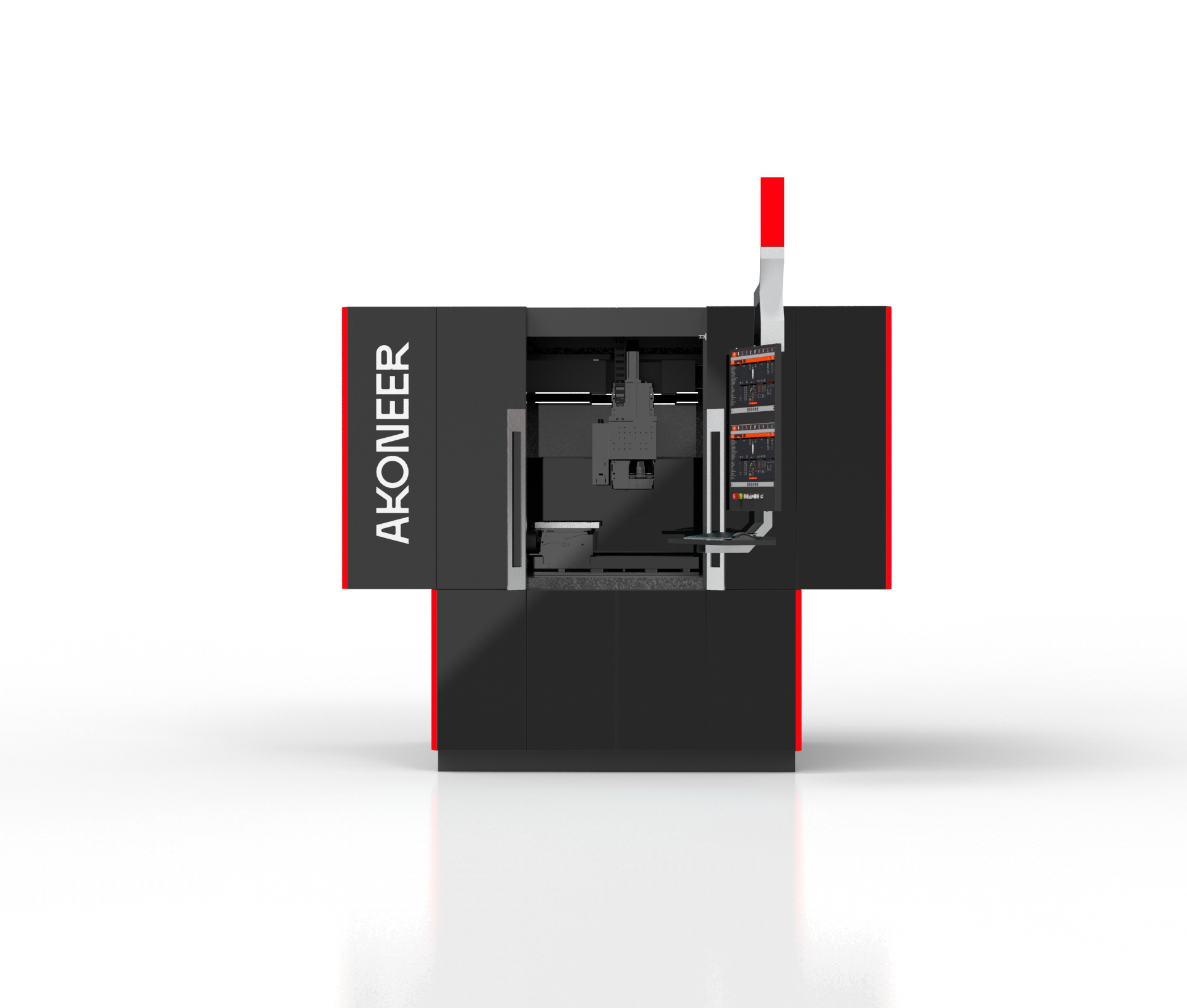
The military and defense sectors demand precision, durability, and reliability in every aspect of their operations. One crucial area benefiting from these qualities is the marking and identification of equipment, components, and assets. Laser marking technology, with its ability to produce high-quality, legible, and permanent marks, has become essential in these sectors. Understanding its applications, benefits, and potential challenges is vital for optimizing its use in military and defense settings.
Applications of laser marking in military and defense
Laser marking serves several purposes within military and defense operations. One primary application is the identification and serialization of weapons and ammunition. By using lasers with a power range of 2–6 kW to engrave serial numbers, manufacturers and military personnel ensure clear, permanent, and tamper-proof identification of firearms and munitions. This process enhances traceability, reduces loss and theft, and ensures compliance with regulations.
Additionally, laser marking is used for labeling and identifying equipment and parts. In environments where equipment faces harsh conditions, traditional labels may wear off or become illegible. Laser marking creates high-contrast, wear-resistant marks on metals, plastics, and ceramics, ensuring crucial information like part numbers and manufacturer details remains visible throughout the equipment's lifecycle.
Benefits of laser marking technology
The advantages of laser marking technology for military and defense applications are multifaceted. One significant benefit is its precision, with repeatability often within ±0.02 mm. Laser marking systems can produce detailed and accurate markings essential for tiny components in military equipment. The precision also allows for marking unique identifiers, such as QR codes or Data Matrix codes, storing extensive information in a small space.
Durability is another key advantage. Marks produced by laser systems are resistant to environmental factors such as corrosion, abrasion, and high temperatures. This durability ensures identification remains intact even in challenging conditions, whether in deserts, jungles, or arctic environments. Laser marking is also highly efficient. It is non-contact, meaning there's no physical wear on the marking tool, reducing maintenance needs and operational costs. The speed of laser marking allows for high-volume marking without sacrificing quality, crucial for meeting military production schedules.
Materials and methods used in laser marking
Laser marking technology is versatile and can be applied to various materials used in military and defense applications. Metals such as steel, with a maximum thickness of 20 mm, aluminum, and titanium are common substrates as they are often used in weaponry and equipment. The laser marking process can vary depending on the material; for example, metals typically undergo engraving or annealing, involving heating the surface to create marks without removing material.
Non-metallic materials, such as plastics and ceramics, can also be marked using laser technology. These materials are often found in electronic components and various defense applications. Depending on the material's properties, the laser marking process may involve color change, foaming, or carbonization to produce clear and durable marks.
Integration of laser marking in military logistics
In addition to marking and identification, laser marking technology plays a crucial role in military logistics. By marking equipment and components with machine-readable codes, military logistics teams can streamline inventory management, track assets, and improve supply chain transparency. These marks can be scanned easily, allowing fast and accurate data entry into logistics systems, particularly valuable in large-scale operations where efficiency and accuracy are paramount.
Moreover, integrating laser marking with digital databases provides real-time tracking and monitoring of assets. This helps maintain operational readiness, enabling military personnel to quickly ascertain the location, condition, and maintenance history of critical equipment. Such integration supports decision-making processes and resource allocation, enhancing the overall effectiveness of military operations.
Challenges and considerations in laser marking
While laser marking offers numerous benefits, there are challenges and considerations to address. One primary concern is the cost of initial setup. High-quality laser marking systems can be expensive, and organizations must weigh these costs against the long-term benefits of precision and durability. However, many find that the reduction in maintenance and replacement costs, along with increased efficiency, justifies the investment.
Another consideration is the training required for personnel to operate and maintain laser marking systems. Ensuring operators are well-trained is crucial for maximizing the technology's potential and avoiding errors that could compromise the quality of the marks. Finally, with advances in technology, the threat of counterfeit and tampered markings remains a concern. Continuous improvements and innovations in laser marking systems are necessary to stay ahead of these challenges and maintain the integrity of military and defense operations.
In summary, laser marking is an indispensable tool for the military and defense sectors, providing precision, durability, and efficiency. Its applications range from weapon and equipment identification to enhancing logistics and supply chain operations. While there are challenges to overcome, the benefits of laser marking technology make it a critical component in maintaining the operational readiness and effectiveness of military forces.