Laser marking on metal
Laser marking on metal enhances manufacturing efficiency, traceability, and quality through high-precision, durable markings in various industries.
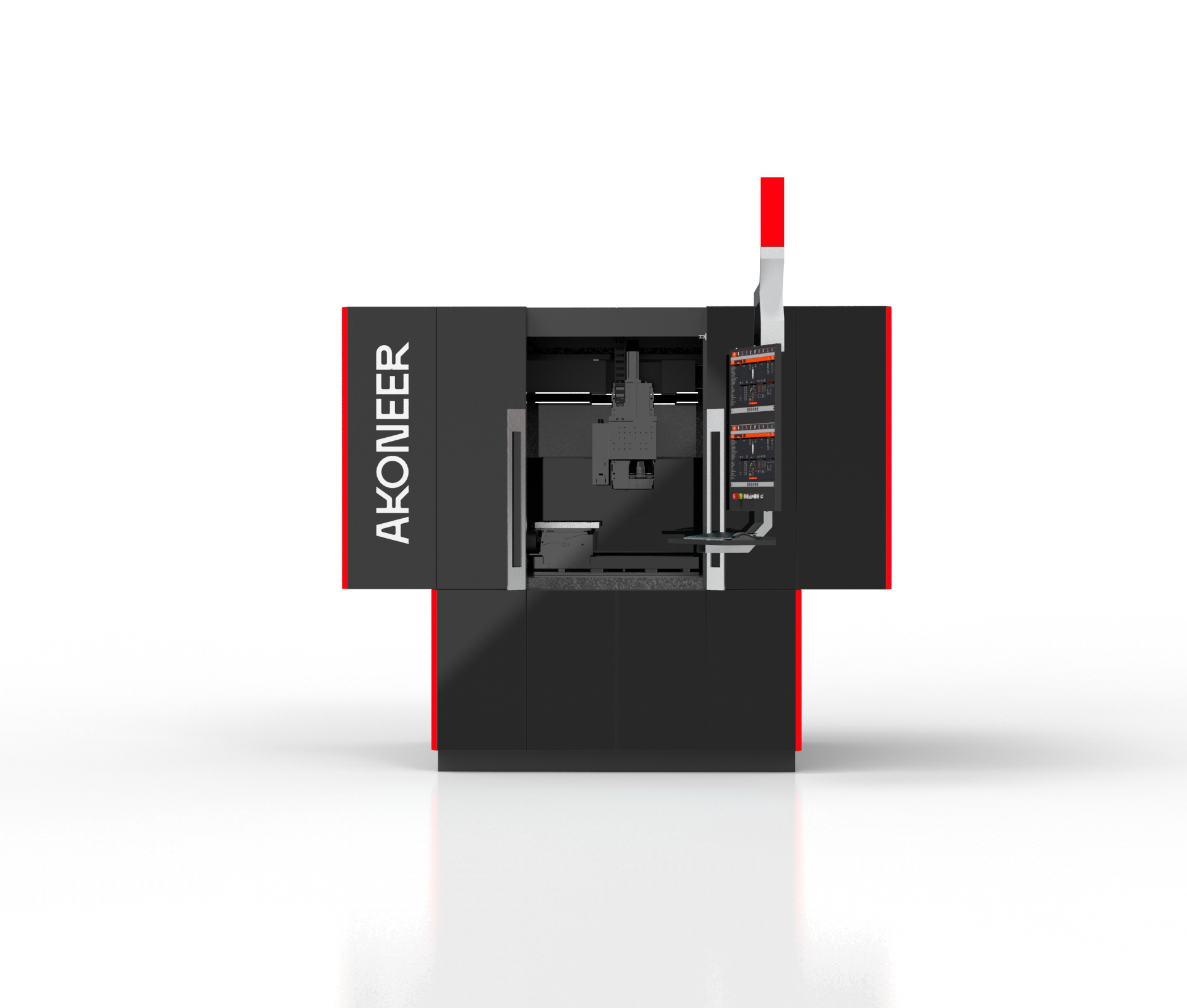
Laser marking on metal has become a pivotal technology in manufacturing and industrial processes. This method uses laser beams to etch, engrave, or mark metals with high precision and durability. As industries increasingly prioritize efficiency, traceability, and quality, laser marking emerges as a key player in meeting these demands. This article explores the intricacies of laser marking on metal, delving into its process, advantages, applications, and future potential.
Understanding the process of laser marking
Laser marking employs concentrated beams of light to interact with a material's surface. When applied to metals, the laser alters the surface without removing any part of it. This is achieved through methods like annealing, etching, engraving, and foaming, each tailored to specific outcomes. Annealing, often used for stainless steel and titanium, produces color changes through controlled oxidation, while engraving removes a portion of the metal to create a cavity filled with contrast, suitable for high-wear applications.
The choice of laser type is crucial. Fiber lasers, operating at wavelengths readily absorbed by metals, are predominantly used due to their high efficiency and penetration depth, with power outputs ranging from 20 to 100 watts. The precision of laser marking is unmatched, creating marks as small as a few microns and enabling intricate designs or tiny, legible text. For instance, Bosch uses laser marking to enhance the traceability of automotive parts, improving quality control and reducing defects by 30%.
The advantages of laser marking on metal
One primary advantage of laser marking on metal is its permanence. Unlike inkjet or dot peen methods, laser markings do not fade over time or under harsh conditions, making them ideal for aerospace and medical devices. Additionally, laser marking is a non-contact process, exerting no mechanical stress on delicate components or those with tight tolerances.
Laser marking is also environmentally friendly, requiring no consumables like inks or chemicals, thus reducing waste and eliminating hazardous materials. Furthermore, laser systems can be easily automated, enhancing production efficiency and consistency while reducing labor costs. The precision and versatility of laser marking allow for a wide range of applications, from batch marking to serialization, without tooling changes.
Applications across industries
The versatility of laser marking on metal finds applications in numerous industries. In the automotive sector, it marks parts with serial numbers, barcodes, or logos, ensuring traceability and authenticity. In electronics, laser marking identifies components with codes or branding, requiring high precision due to the small size of the parts.
The medical industry relies on laser marking for labeling surgical instruments and implants with unique identifiers that withstand sterilization processes without degrading, ensuring device traceability and enhancing patient safety. In aerospace, laser marking identifies and traces parts, critical for maintaining stringent safety standards.
In consumer goods, laser marking offers branding and customization, allowing manufacturers to create unique and durable marks that enhance product appeal, especially in the luxury goods market, where quality and aesthetics are paramount.
The future of laser marking technology
As technology advances, laser marking capabilities are expected to expand further. Developments in laser technology, such as ultrafast lasers, promise greater precision and the ability to mark a wider range of materials. There is also growing interest in integrating laser marking systems with digital platforms, enabling real-time monitoring and data collection.
The demand for customized and personalized products is likely to drive innovation in laser marking, allowing manufacturers to offer unique solutions tailored to individual customer needs. Additionally, as industries continue to prioritize sustainability, the eco-friendly nature of laser marking will become increasingly attractive.
In summary, laser marking on metal stands as a vital technology in modern manufacturing. Its precision, durability, and versatility make it indispensable across various sectors. As industries evolve, laser marking will likely play an integral role in meeting emerging demands for efficiency, quality, and sustainability. The future holds exciting possibilities for this technology, promising even greater advancements and applications.