Laser marking machine for metal
Laser marking machines for metal offer essential benefits across industries with their accurate, durable markings and versatile applications.
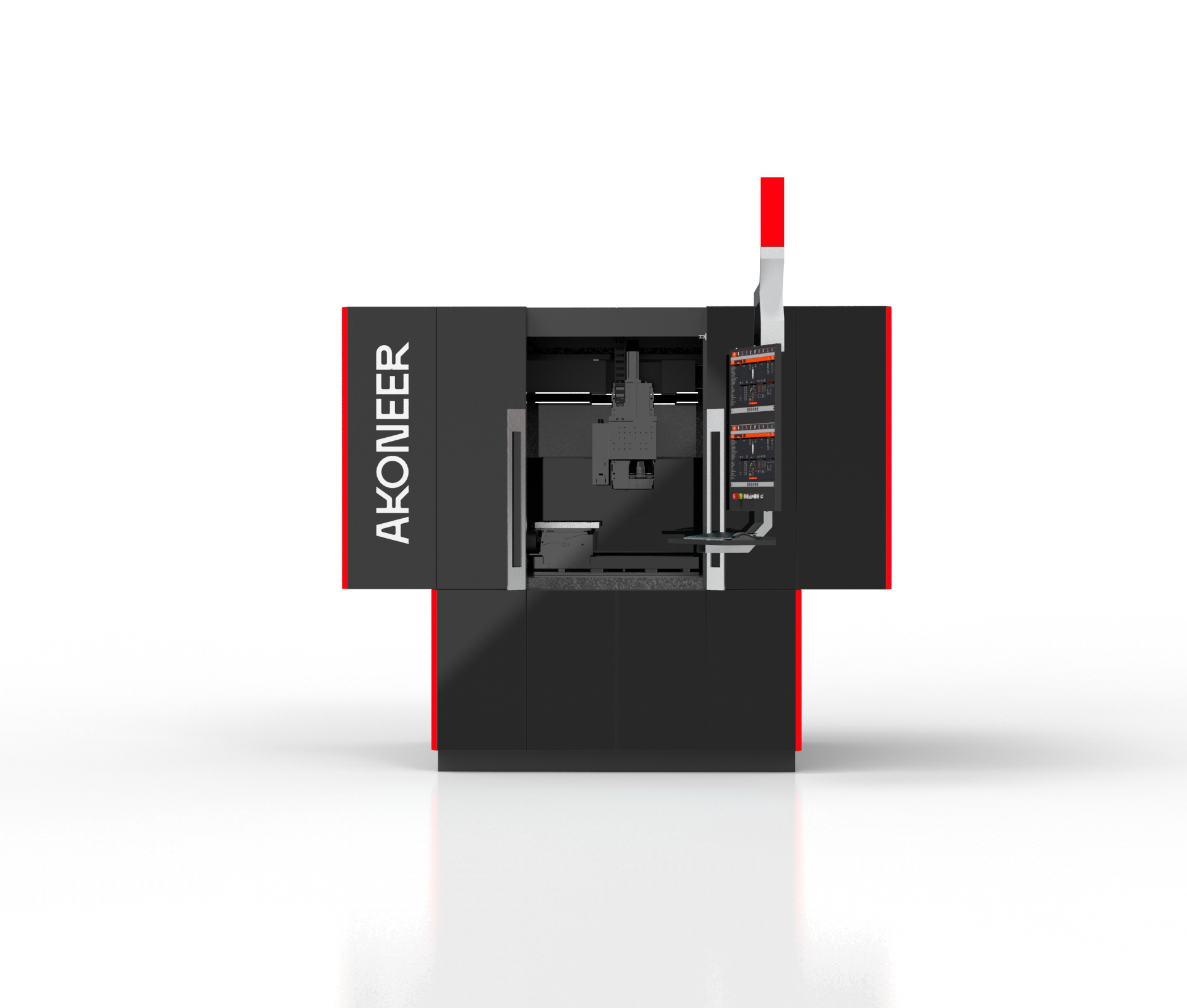
Laser marking machines for metal have become essential across various industries due to their precision, durability, and flexibility. These machines employ laser technology to create permanent marks on metal surfaces, such as logos, serial numbers, and barcodes. The demand for laser marking in metal applications is driven by the need for high-quality, enduring markings that withstand harsh environments. This article delves into the technology behind laser marking machines, their industrial applications, and the benefits they offer over traditional marking methods.
Understanding laser marking technology
Laser marking uses a focused beam of light to alter a material's surface. The process involves a highly concentrated laser beam interacting with the metal, resulting in effects like annealing, engraving, ablation, or discoloration, depending on laser settings and metal type. Precision is achieved by controlling parameters such as intensity, speed, and focus, enabling intricate designs and detailed information on small metal components. Typical systems offer power levels ranging from 20 to 100 watts, with repeatability of ±0.01 mm, allowing for detailed and consistent markings.
Applications in different industries
Laser marking machines for metal are used widely. In the automotive sector, they mark parts with serial numbers and barcodes for traceability and quality control. The aerospace industry utilizes laser marking for identifying components that must endure extreme conditions. In the medical field, lasers mark equipment and surgical instruments to meet regulatory standards. The electronics industry labels circuit boards without damaging sensitive components. The jewelry industry employs laser technology to engrave intricate designs on precious metals, enhancing product value and uniqueness. For instance, Siemens has integrated laser marking into their production line, achieving a 25% increase in marking speed and reducing error rates by 15%.
Advantages of laser marking over traditional methods
Laser marking offers several advantages over traditional methods like stamping, engraving, or chemical etching. The non-contact nature preserves the metal's structural integrity, crucial for delicate components. Laser marking is highly precise, capable of creating fine details difficult with other methods. It's also a fast process, enhancing production efficiency. Laser-created marks are permanent and resistant to abrasion, heat, and chemicals, ideal for durability-critical applications. With cutting speeds reaching up to 30 m/min, laser systems significantly boost productivity.
Environmental and cost benefits
Laser marking machines provide environmental and cost benefits. Unlike chemical etching, they don't require hazardous chemicals, offering a more eco-friendly option and reducing waste disposal costs. Maintenance requirements are generally lower than for mechanical equipment, and the absence of consumables like inks or chemicals contributes to cost savings over time. Combined with the long lifespan of laser marking machines, these factors result in a lower total cost of ownership.
Technological innovations and future trends
The field of laser marking technology is continually evolving, with research leading to new innovations. Recent advancements include fiber lasers, which offer higher efficiency and improved marking speeds compared to traditional CO2 lasers. There's a trend towards integrating laser marking systems with automation and robotics, enabling fully automated production lines that enhance productivity and reduce human error. Software advancements simplify designing and implementing complex marking patterns, paving the way for customized and intricate designs.
Considerations for choosing a laser marking machine
When selecting a laser marking machine for metal, consider several factors for optimal performance. The metal type is crucial, as different metals may require various laser types or settings. Required marking speed and precision will influence machine choice. Component size and shape should be considered, as certain machines offer better flexibility in handling different geometries. Finally, evaluate the machine's software and user interface, as ease of use significantly impacts productivity.
Laser marking machines for metal represent an invaluable tool for modern manufacturing industries, offering unparalleled precision, durability, and efficiency. As technology advances, these machines are becoming more accessible and versatile, opening new possibilities for their application. By understanding the technology, advantages, and considerations associated with laser marking, businesses can make informed decisions to enhance production processes and product quality.