Laser marking machine for gold jewellery
Laser marking machines enhance gold jewelry production by improving accuracy, efficiency, and sustainability in design and hallmarking processes.
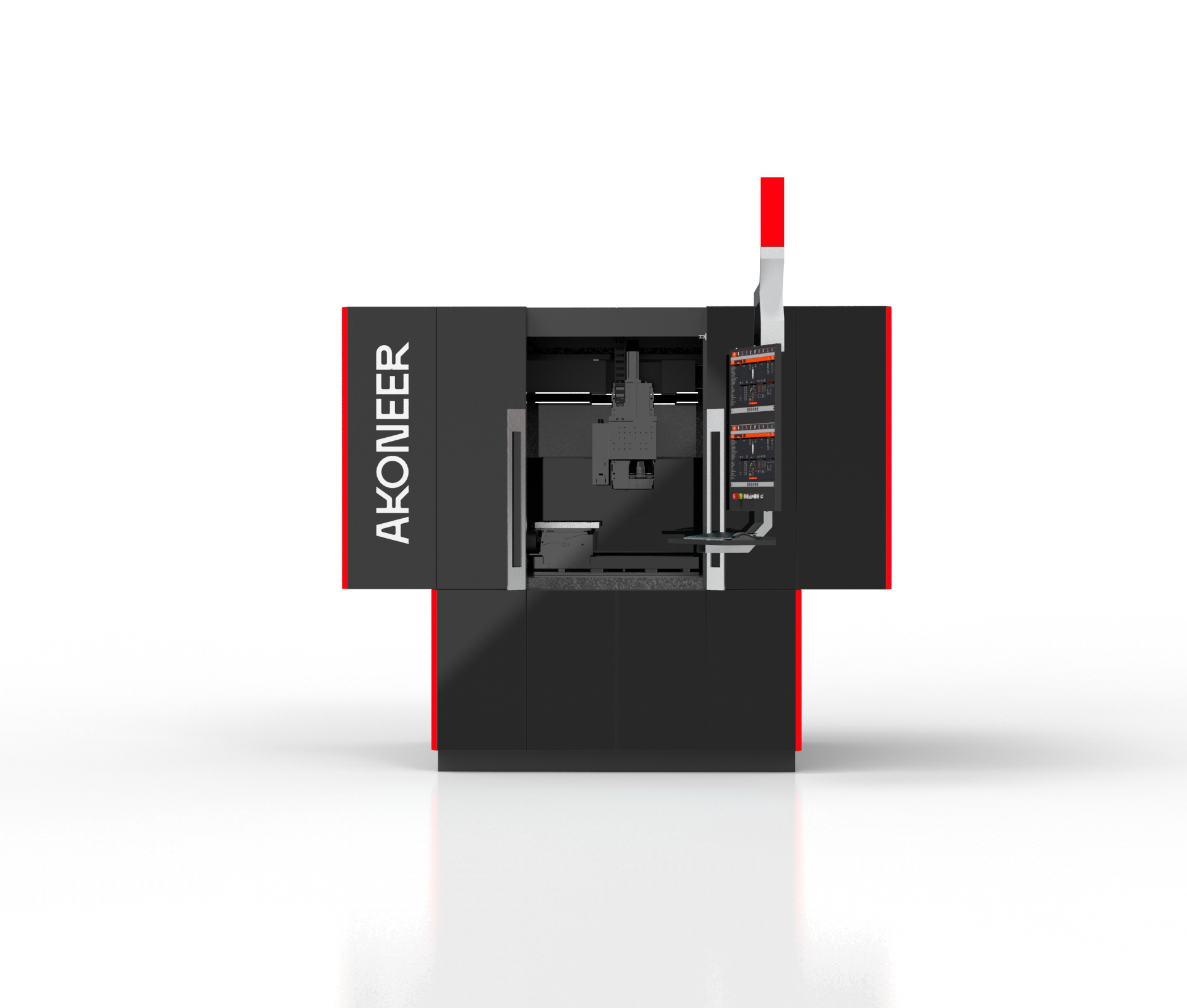
The art of gold jewelry making has evolved significantly over the years, with technology playing a crucial role in its advancement. Among the most pivotal innovations are laser marking machines, which have transformed jeweler operations by offering unmatched precision and efficiency. This article explores the benefits, workings, and applications of laser marking machines in the gold jewelry industry.
Understanding laser marking technology
Laser marking technology employs a focused beam of light to alter a material's surface. This non-contact technique prevents physical damage to the gold surface, ensuring precision in marking intricate designs, logos, and serial numbers. Computer software controls the process, offering accuracy and repeatability. Modern machines often feature repeatability of ±0.02 mm, allowing for incredibly detailed work.
Benefits of using laser marking machines in gold jewelry
Laser marking machines offer several advantages for gold jewelry production. Their precision allows jewelers to engrave intricate designs easily, reducing error margins and ensuring high-quality production. The process is significantly faster than traditional methods, boosting productivity and lowering labor costs. Additionally, laser markings are permanent, a crucial factor for hallmarking where authenticity must be assured. The non-contact nature of laser marking preserves the jewelry’s integrity, eliminating risks of scratches or deformation.
One real-world example is the use of laser marking machines by the jewelry company Pandora. By integrating these machines into their production lines, Pandora increased marking speed by 30% while reducing errors by 15%, enhancing overall efficiency and product quality.
Applications in gold jewelry
Laser marking machines are versatile tools in the gold jewelry industry. A primary application is hallmarking, which involves engraving a mark to certify purity—a legal requirement in many countries. Laser marking ensures these marks are clear and precise, meeting strict standards. Additionally, laser machines are used for personalizing jewelry by engraving names, dates, or messages, adding sentimental value for customers. This personalization service allows consumers to create unique, bespoke items. Furthermore, laser marking serves branding purposes, enabling jewelers to engrave logos onto pieces, boosting brand recognition.
The role of laser marking in quality assurance
Quality assurance is crucial in the jewelry industry, and laser marking machines play a vital role. These machines offer a precise and permanent marking method, ensuring all pieces meet required standards. Marking serial numbers and unique identifiers facilitates traceability, essential for inventory management and combating counterfeiting. Moreover, laser marking preserves jewelry aesthetics; traditional engraving can compromise appearance due to physical contact, while laser technology ensures clean and unobtrusive marks.
Environmental and safety considerations
Laser marking machines offer an environmentally friendly alternative to traditional methods that may use chemicals or produce waste. The process is clean, requiring no inks or solvents, reducing the environmental footprint of jewelry production. This aligns with the growing demand for sustainable practices within the industry. Safety is also paramount; the non-contact nature of laser marking reduces injury risks for operators, eliminating the need for sharp tools or physical handling during the process. Modern laser machines come with safety features, such as enclosed marking areas and laser beam shutters, to protect operators from exposure.
Future of laser marking in the jewelry industry
As technology advances, the role of laser marking machines in the jewelry industry is set to expand. The development of sophisticated software and laser systems will enhance machine capabilities, allowing for greater precision and efficiency. The integration of artificial intelligence and machine learning could further optimize the marking process, making it faster and more accurate. With power levels between 2–6 kW, these advancements will likely drive innovation and set new quality and efficiency standards.
In summary, laser marking machines have become indispensable tools in the gold jewelry industry. Their precision, speed, and ability to produce permanent markings make them a preferred choice for jewelers worldwide. As the industry continues to evolve, the adoption of laser technology is expected to increase, fostering innovation and setting benchmarks for quality and efficiency.