Laser marking machine
Laser marking machines are essential in modern manufacturing, providing high-quality, durable marks across various industries using advanced, non-contact technology.
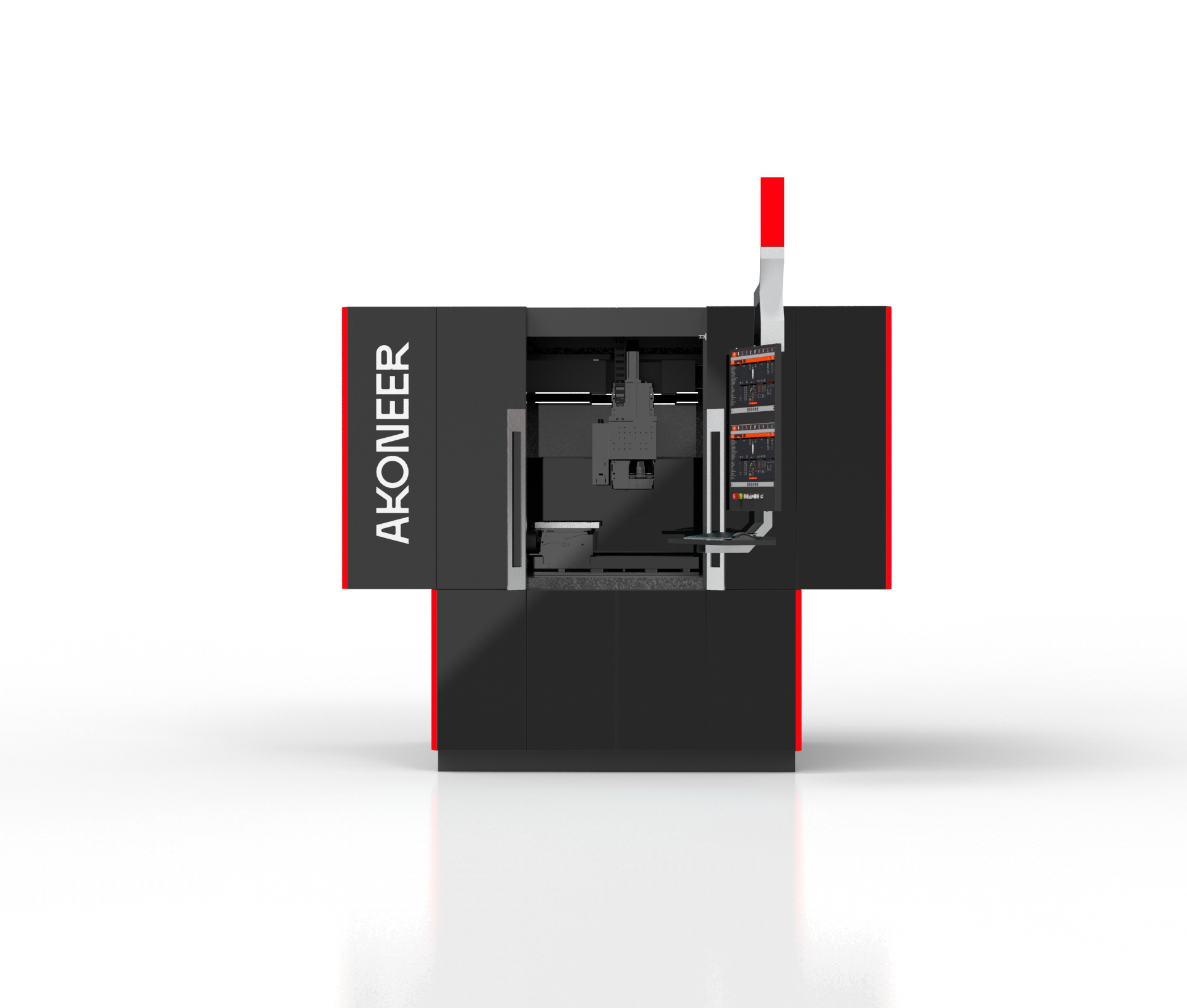
Laser marking machines have become an integral part of modern manufacturing processes across various industries. These machines offer precision, speed, and versatility, essential for meeting the demands of today’s competitive markets. This article explores the technology behind laser marking machines, their applications, advantages, and considerations for selecting the right machine for specific needs.
Understanding laser marking technology
Laser marking uses a focused beam of light to alter the surface properties of a material, achieved through methods like engraving, annealing, ablation, or discoloration. The laser beam interacts with the surface, creating high-contrast marks without inks or wear-prone tools. This non-contact process ensures product integrity while providing a durable mark that withstands harsh environments.
The technology primarily used in laser marking includes fiber lasers, CO2 lasers, and UV lasers. Fiber lasers, with a typical power range of 20–100 watts, are preferred for metal marking due to their high intensity and efficiency. CO2 lasers, which can cut materials up to 20 mm thick, are suitable for non-metal materials like wood, glass, and plastics. UV lasers, known for their precision with a repeatability of ±0.02 mm, are ideal for applications requiring fine detail on sensitive materials. Understanding these technologies is crucial for selecting the right machine for specific applications.
Applications across industries
The versatility of laser marking machines suits them for a wide range of applications across industries. In the automotive sector, they mark parts with serial numbers, barcodes, and logos for traceability and regulatory compliance. The electronics sector relies on laser marking to label components without damaging sensitive circuitry.
In the medical field, laser marking provides permanent identification for surgical instruments and medical devices, ensuring compliance with stringent safety standards. The aerospace industry uses these machines to mark parts with critical information that must endure extreme conditions. Consumer goods manufacturers employ laser marking for branding and personalizing products, adding value and differentiation. For instance, BMW employs laser marking machines to enhance traceability and reduce production errors by 30%.
Advantages of laser marking machines
Laser marking machines offer several advantages that make them attractive to manufacturers. The precision and accuracy of laser technology ensure high-quality marks, even on small or complex surfaces. The process is fast, allowing for high-volume production without compromising quality. As a non-contact method, laser marking minimizes wear and tear on tools and eliminates the need for consumables like inks or chemicals, reducing operational costs.
Permanence and durability of laser marks are significant advantages. They resist fading, abrasion, and environmental factors, ensuring critical information remains legible throughout a product's lifecycle. This is vital for industries requiring traceability and compliance with regulatory standards.
Considerations for choosing a laser marking machine
Choosing the right laser marking machine involves considering factors to ensure it meets specific requirements. The type of material to be marked is a primary consideration, as different lasers suit different materials. The complexity and size of the marking design also influence machine choice, as some lasers offer finer detail and higher precision.
The production environment and volume are important factors; some machines suit high-speed, continuous operation, while others are designed for lower-volume, precision work. Budget constraints may also influence the decision, as the initial investment in laser marking technology can vary significantly based on a machine’s capabilities and features.
Evaluating software compatibility and ease of integration with existing systems is essential. User-friendly interfaces and robust software solutions can enhance productivity and streamline operations. Considering the manufacturer’s reputation, technical support, and warranty options provides peace of mind and long-term reliability.
The future of laser marking technology
The future of laser marking technology looks promising, with continuous advancements in laser efficiency, speed, and precision. Emerging technologies, such as green and ultrafast lasers, are expanding the range of materials and applications, making laser marking even more versatile. Automation and integration with Industry 4.0 technologies are transforming laser marking machines into smart systems that optimize production processes and integrate seamlessly with digital supply chains.
As industries demand higher efficiency, quality, and traceability, laser marking machines are poised to play an even more critical role in manufacturing. Their ability to provide permanent, high-quality marks with minimal environmental impact aligns with the growing emphasis on sustainability and resource efficiency.
In summary, laser marking machines are a vital component of modern manufacturing, offering unmatched precision, versatility, and durability. By understanding the technology, applications, and considerations for selecting the right machine, manufacturers can harness the full potential of laser marking to enhance their products and processes. As technology continues to evolve, laser marking machines will undoubtedly remain at the forefront of innovation in manufacturing.