Laser marking graphite
Laser marking enhances the functionality and application of graphite components in various industries through non-contact, efficient, and environmentally friendly techniques.
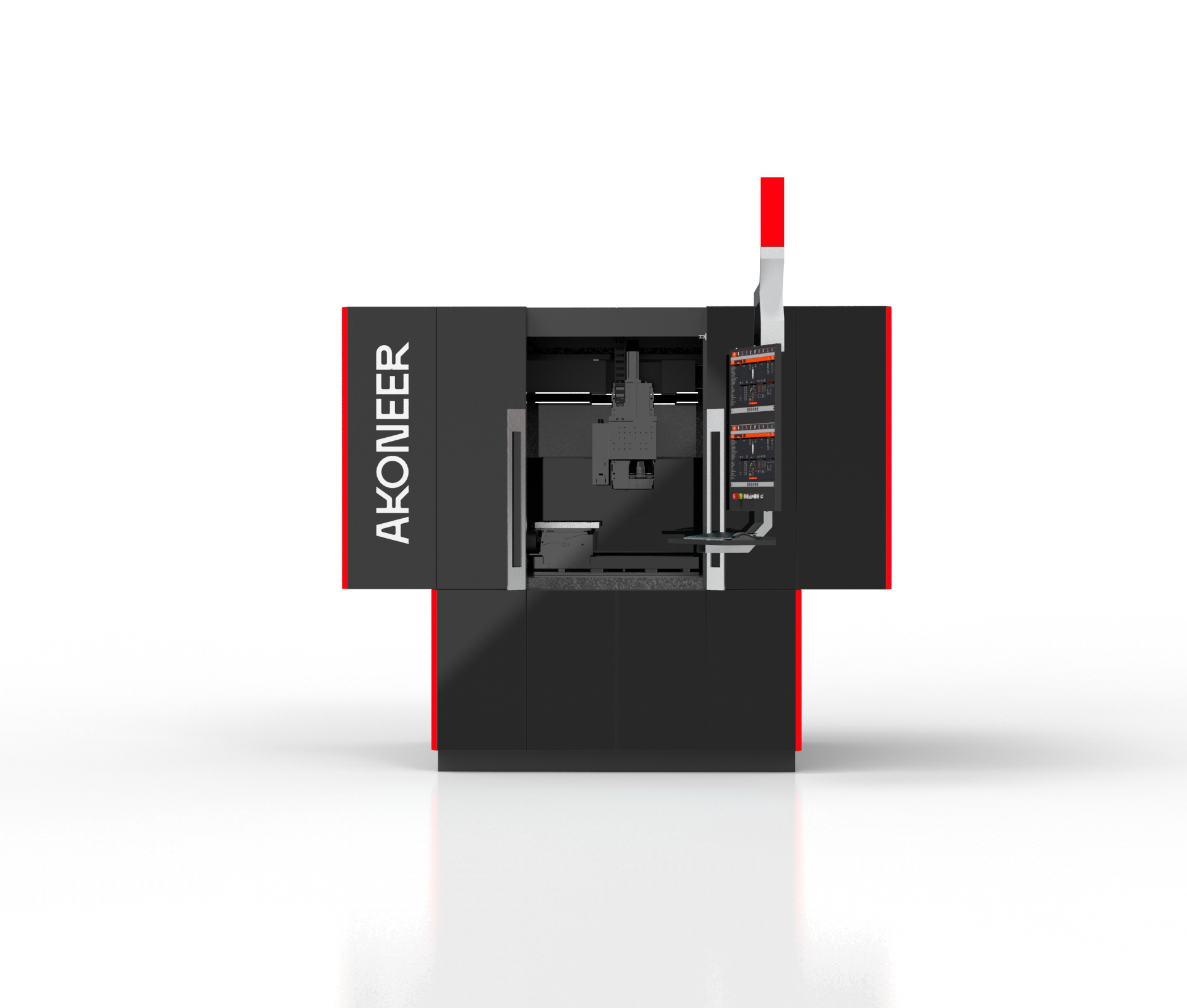
Laser technology has become a cornerstone in modern manufacturing, offering precision and efficiency across various materials. Among these, graphite stands out due to its unique properties and wide range of applications. Laser marking graphite is an effective technique that enhances the versatility and utility of graphite components. This article explores the intricacies of laser marking on graphite, delving into its advantages, applications, and the underlying technological processes.
The properties of graphite
Graphite, a form of carbon, is renowned for its excellent electrical conductivity, high thermal resistance, and lubricating properties. Composed of layers of carbon atoms in a hexagonal lattice, it withstands temperatures up to 3,000°C and resists chemical reactions. These attributes make graphite valuable in industries such as electronics, aerospace, and metallurgy. However, its softness and brittleness present challenges in marking or engraving, necessitating specialized techniques like laser marking.
The science behind laser marking
Laser marking uses a concentrated beam of light to alter the surface properties of a material. In graphite, this involves removing a thin layer or inducing a change in color or texture. The laser's intensity, duration, and frequency can be precisely controlled, allowing for detailed and accurate markings. Typical laser systems operate at power levels between 2–6 kW, with a repeatability of ±0.02 mm. The interaction between the laser and the graphite depends on the laser's wavelength and the material's absorption properties, ensuring clear, permanent markings without compromising structural integrity.
Advantages of laser marking on graphite
Laser marking graphite offers precision, enabling intricate details to be permanently etched without significant damage. This precision benefits industries requiring high accuracy, such as semiconductor manufacturing. Additionally, laser marking is non-contact, reducing the risk of mechanical stress or deformation. The process is fast, often completed in seconds, suitable for high-volume production. It is adaptable, marking complex shapes and patterns on components of various sizes. Environmentally, laser marking is clean, using no inks or solvents.
Applications in various industries
Laser marking on graphite has diverse applications. In electronics, graphite is used for electrodes in batteries and fuel cells; laser marking adds identifying marks for quality control and traceability. Aerospace employs graphite composites in lightweight, high-strength components, where laser marking ensures easy identification and tracking. In metallurgy, graphite molds for casting metals can be labeled with detailed information without affecting functionality. In the art and jewelry sectors, laser marking offers precision and aesthetic appeal.
Challenges and considerations
Despite its advantages, laser marking graphite poses challenges. The material's thermal properties require careful calibration of laser parameters to prevent overheating or chipping. Impurities in graphite can affect marking consistency, necessitating high-quality, contaminant-free material. The cost of laser marking equipment can be significant, but long-term benefits in efficiency, quality, and environmental impact often justify the investment. Operators must be trained to handle the technology correctly, ensuring optimal results and maintaining safety standards.
Technological advancements and future trends
As technology advances, laser marking systems are expected to improve. Innovations in more efficient lasers and improved software for controlling marking parameters will enhance precision and versatility. Automation and artificial intelligence could further streamline production, reducing costs and improving consistency. The demand for sustainable manufacturing solutions is likely to increase interest in laser marking, as its clean and efficient nature makes it an attractive option. As research progresses, new techniques and materials may broaden laser marking applications.
In summary, laser marking graphite is a sophisticated process leveraging the unique properties of both laser technology and graphite. It offers numerous advantages across various industries but requires careful consideration of technical and economic factors. As technology evolves, laser marking is set to play an increasingly vital role in modern manufacturing, driving innovation and efficiency.