Laser marking glass
Laser marking glass combines technology and creativity to permanently alter glass surfaces for diverse industrial applications.
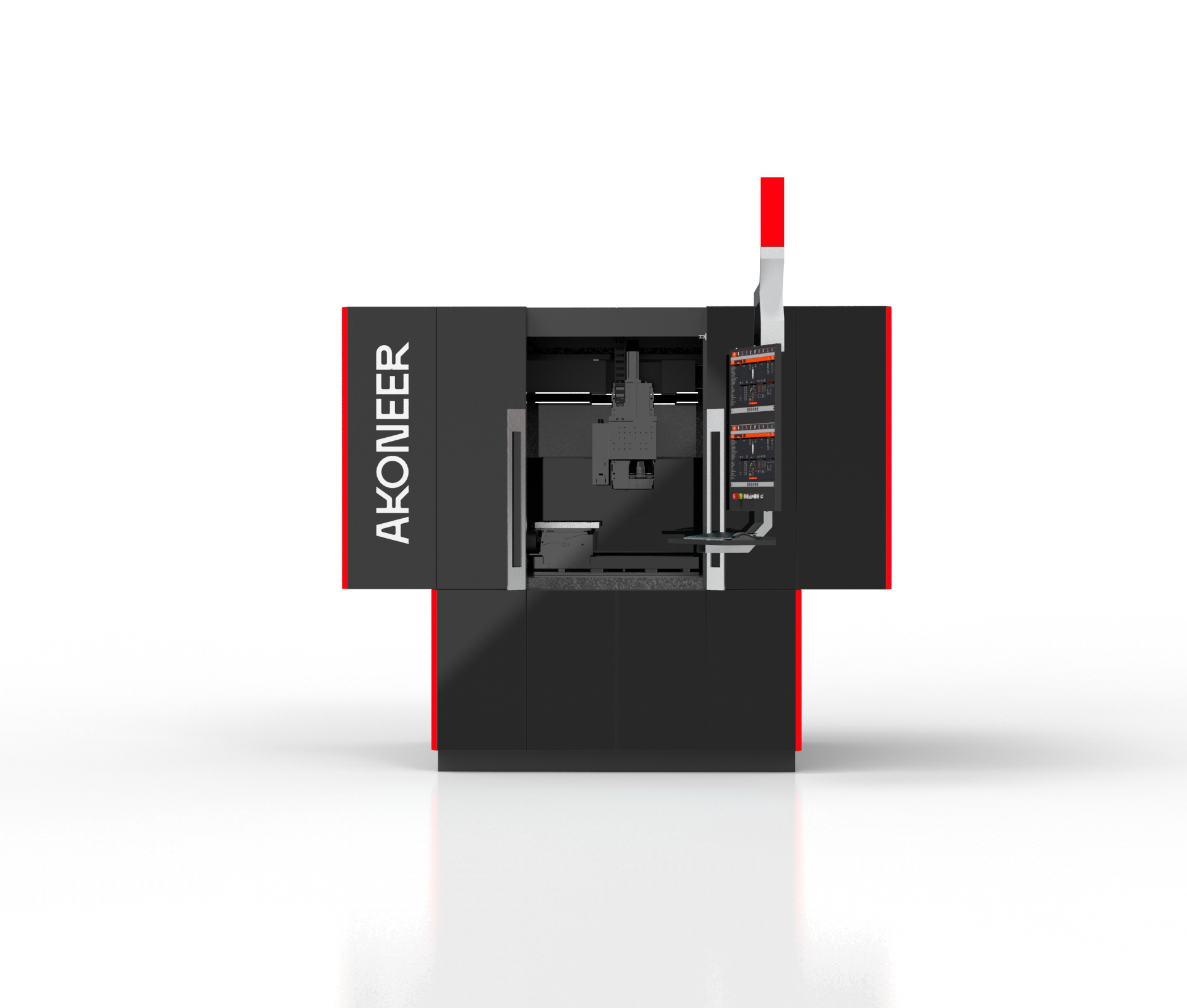
Laser technology has revolutionized material interaction, offering precision and versatility previously unattainable. Among its many applications, laser marking glass is notable for its unique challenges and benefits. This article explores the intricacies of laser marking glass, discussing its mechanisms, advantages, applications, and considerations.
Understanding the mechanism
Laser marking glass uses laser beams to create permanent designs, logos, or text on glass surfaces. Unlike etching or engraving, this non-contact process uses a focused laser beam to alter the glass surface at a microscopic level. Typically, a CO2 laser or a fiber laser is employed, each suited for specific glass types and marking requirements. CO2 lasers often operate between 10.6 and 10.2 micrometers, while fiber lasers can offer power outputs of up to 2 kW, enabling precision for intricate designs. The laser heats the glass surface, creating micro-cracks or altering the refractive index, all while avoiding shattering or damage. This precision makes laser marking ideal for applications prioritizing aesthetics and durability.
Advantages of laser marking glass
A primary advantage of laser marking glass is its precision. The non-contact process ensures the glass retains its structural integrity. This precision allows for highly detailed designs that traditional methods struggle to achieve. The markings are permanent and resist wear, UV radiation, and chemical exposure, making them ideal for automotive and architectural glass applications where longevity is crucial. Moreover, laser marking is a clean process. Unlike sandblasting or chemical etching, it doesn't require abrasives or chemicals, making it environmentally friendly and ensuring a safer working environment with fewer contaminants.
Applications across industries
Laser marking glass is widely used across industries due to its precision and versatility. In the automotive sector, it's utilized for marking identification numbers or logos on windshields and windows, aiding traceability and enhancing brand visibility. In architecture, laser marking allows custom designs on glass panels, enhancing aesthetic appeal and ensuring durability. This is popular in modern architecture, where glass is prevalent. The electronics industry benefits from laser marking in manufacturing glass screens and displays, where it facilitates branding, user interface design, and functional markings without compromising glass integrity. For instance, Corning Incorporated uses laser marking to enhance the durability and brand visibility of its Gorilla Glass products, demonstrating improved performance under rigorous conditions.
Considerations and challenges
While laser marking offers numerous advantages, certain considerations are essential. The choice of laser type is crucial. CO2 lasers are typically used for soda-lime glass, efficiently handling larger areas with uniform marking. Fiber lasers are better for smaller, intricate designs on specialty glass types. The glass's thickness and type also influence the process. Tempered glass can be challenging due to internal stresses that may cause cracking, necessitating careful calibration and testing to achieve desired results without damage. Although the initial cost of laser marking equipment is high, often exceeding $50,000, the low operating costs and absence of consumables can offset this. Businesses must evaluate the cost-benefit ratio and potential ROI when considering laser marking technology.
Future prospects
The future of laser marking glass is promising, driven by advancements in laser technology and growing demand for customized, durable, and aesthetically pleasing glass products. Innovations such as ultrafast lasers and improved software control systems are expected to enhance precision and efficiency, opening new design and application possibilities. As industries prioritize sustainability, the environmentally friendly nature of laser marking strengthens its position as a preferred glass processing method. With ongoing research and development, laser marking technology is poised to offer greater capabilities and opportunities across various industries.
In summary, laser marking glass represents a fusion of technology and creativity, providing industries with a powerful tool to enhance product aesthetics, functionality, and longevity. As technology evolves, the scope of laser marking glass will expand, offering innovative solutions to meet the ever-changing demands of the modern world.