Laser marking galvanized steel
Galvanized steel benefits from laser marking, providing durable and clear identification essential for various industrial applications.
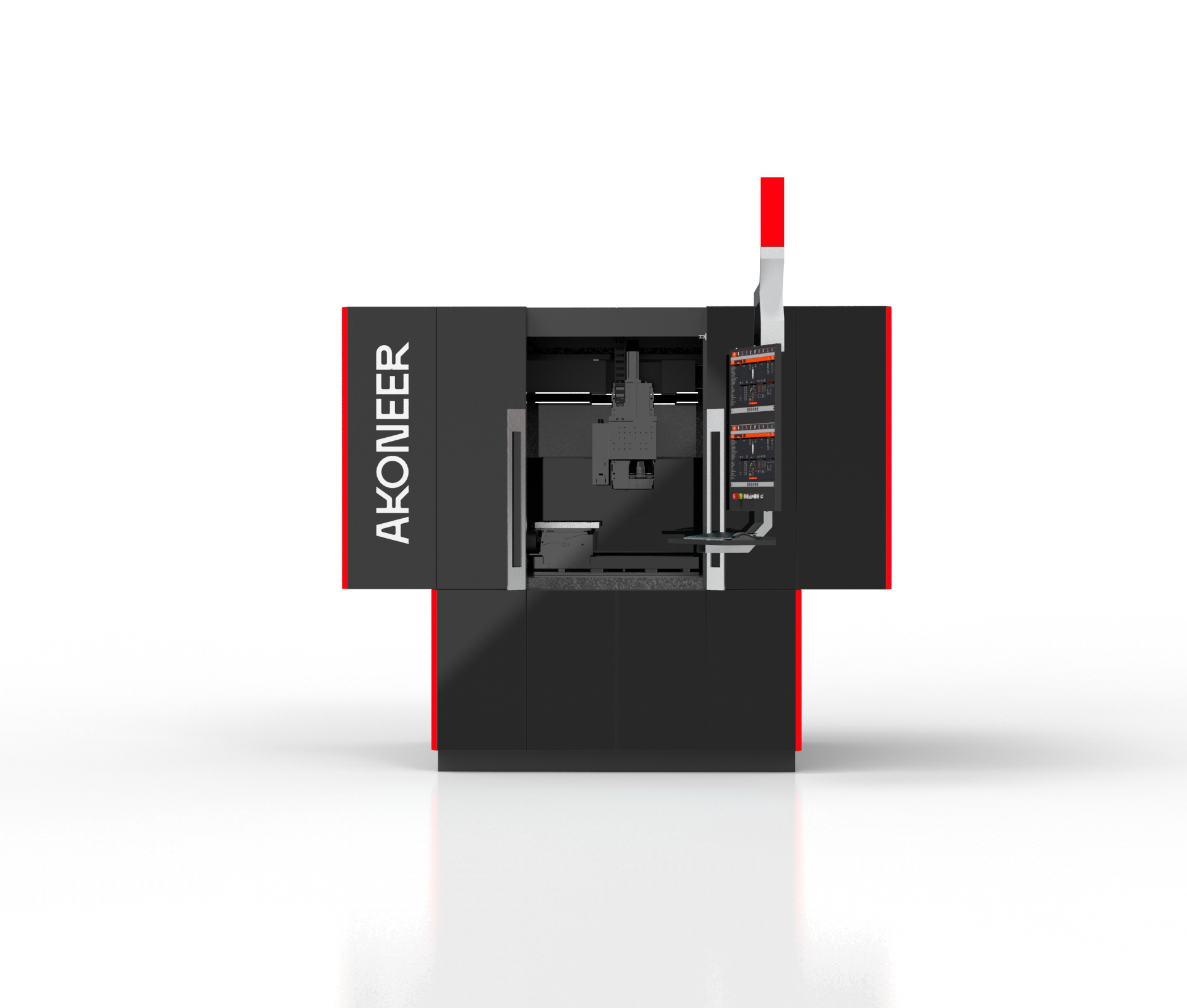
Galvanized steel is a type of steel coated with a layer of zinc to protect it from corrosion, acting as a barrier against moisture and corrosive elements. Widely used in construction, automotive, and manufacturing industries for its durability and rust resistance, galvanized steel is favored for outdoor applications like roofing and fencing. Its zinc coating not only extends the lifespan of the steel but also enhances its aesthetic appeal with a smooth, shiny finish.
The demand for galvanized steel is rising as industries seek materials offering both strength and longevity. In construction, it withstands harsh weather conditions, while in automotive, it's used for components requiring corrosion resistance. The manufacturing sector employs galvanized steel in producing appliances and equipment designed for continual use. As the use of galvanized steel grows, so does the need for effective marking solutions ensuring clear and lasting identification.
The importance of laser marking
Laser marking uses a concentrated beam of light to permanently etch or mark surfaces, providing precise and legible markings on materials like metals, plastics, and ceramics. For galvanized steel, laser marking offers advantages over traditional methods, as it is non-contact and maintains the zinc coating's integrity, crucial for preserving corrosion resistance. This technology delivers high precision and accuracy, allowing for detailed markings such as barcodes and serial numbers, essential for product identification and traceability. Laser markings remain legible throughout the product's lifecycle, even in harsh environments, and the process is fast and efficient, suitable for high-volume production.
Technical aspects of laser marking galvanized steel
Laser marking galvanized steel involves several technical considerations. Selecting the appropriate laser type is crucial, with fiber lasers often used for their high power and precision. Operating at a wavelength suited for metal surfaces, fiber lasers create clean markings without damaging the zinc coating. Parameters such as power, speed, and frequency must be optimized to ensure visible marks without compromising the protective layer. For instance, power levels typically range from 20 to 50 watts, and cutting speed can reach up to 30 m/min.
Focal distance also plays a vital role in achieving clear and precise markings. Using the correct settings prevents issues like excessive heat, which could damage the surface or result in uneven markings. Different marking techniques, such as laser engraving, annealing, and etching, interact with materials uniquely, affecting mark depth, color, and texture. Manufacturers must choose the appropriate technique based on the application requirements.
Applications and benefits in industry
Laser marking of galvanized steel is employed across various industries for numerous applications. In the automotive industry, it marks parts with serial numbers and batch codes, ensuring traceability and compliance with regulations. In construction, it labels structural components for easy identification and installation. The manufacturing sector uses laser marking to brand products with logos, part numbers, and safety information. A real-world example includes Ford Motor Company, which employs laser marking to enhance traceability and streamline production, reducing errors by 20%.
Beyond identification, laser marking enhances product traceability, allowing manufacturers to monitor products throughout the supply chain—crucial for quality assurance and recall management. It also aids anti-counterfeiting with unique, tamper-proof markings. By adopting laser marking technology, companies can improve operational efficiency, reduce production costs, and enhance product quality.
Future trends and innovations
As technology advances, laser marking systems are becoming more sophisticated and versatile. Innovations lead to more efficient and environmentally friendly marking solutions. Developments in laser systems with higher precision and speed enable manufacturers to achieve greater accuracy and detail. Advancements in software allow for complex and customizable marking designs, catering to diverse industry needs.
The integration of laser marking with automation and digital manufacturing processes is an emerging trend. Automated systems seamlessly integrate into production lines, enhancing workflow efficiency and reducing manual labor. The use of data analytics and artificial intelligence is transforming laser marking utilization, providing insights into production and enabling real-time monitoring and optimization.
The future of laser marking galvanized steel holds promise for continued innovation and improvement. As industries evolve, the demand for advanced marking solutions will drive further developments in laser technology, contributing to more sustainable and efficient manufacturing practices.