Laser marking dental appliances
Laser marking technology offers significant benefits for dental appliances, enhancing traceability, compliance, and customization while maintaining efficiency and durability.
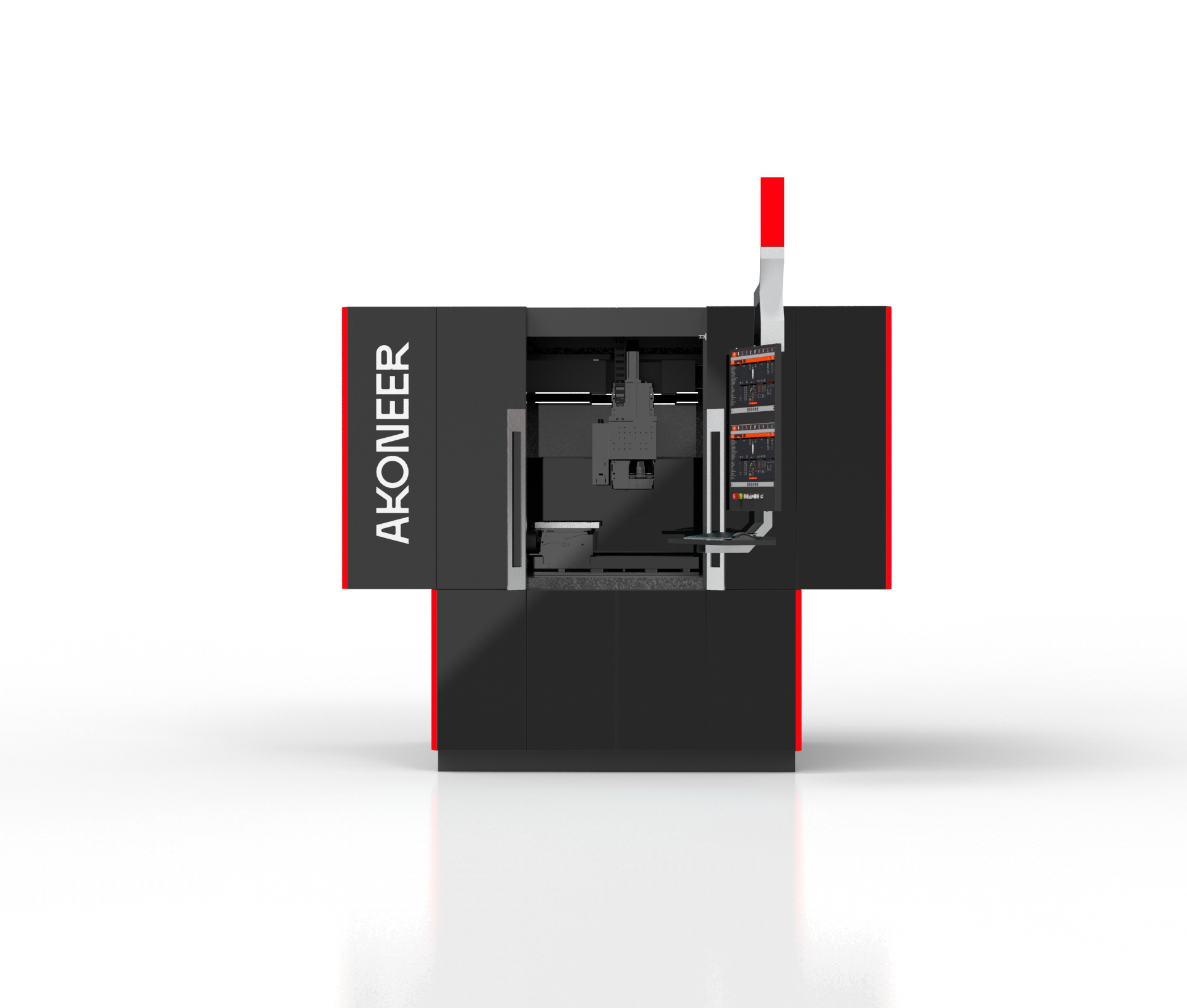
The advancement of laser technology has revolutionized many fields, and dentistry is no exception. One of the most significant applications is laser marking of dental appliances. This process enhances both the aesthetics and functionality of these appliances and offers practical benefits like traceability and compliance with regulatory standards.
Understanding laser marking technology
Laser marking involves using a concentrated beam of light to leave a permanent mark on a material’s surface. This process is highly precise and customizable, allowing detailed designs or inscriptions on various surfaces. In dentistry, laser marking etches information such as serial numbers, patient IDs, or logos onto metals, ceramics, and polymers. The precision of laser marking is crucial in dentistry, where accuracy and clarity are essential.
Benefits of laser marking in dentistry
The application of laser marking in dental appliances offers numerous advantages. One primary benefit is traceability. Marking appliances with unique identifiers allows dental professionals to easily track and manage inventory, ensuring each appliance can be traced back to its origin. This is particularly important for recalls or quality control issues. Moreover, laser marking helps comply with regulatory standards. Many regions require dental appliances to be marked with specific information for patient safety and product accountability. Laser marking offers a durable and legible means to display this necessary information.
In addition to compliance and traceability, laser marking enhances customization and aesthetic appeal. Dentists and technicians can offer personalized designs or branding, adding value to the service provided to patients. This customization capability can lead to increased patient satisfaction and loyalty.
Material compatibility and process efficiency
One critical aspect of laser marking is its compatibility with a wide range of materials used in dental appliances. Metals like titanium and stainless steel, used in implants and braces, respond well to laser marking. The process is equally effective on ceramics and high-performance polymers used in crowns and prosthetics. Laser marking can achieve extremely fine features, with a repeatability of ±0.02 mm and a kerf of approximately 0.1 mm, ensuring high precision.
Laser marking is an efficient process, typically requiring minimal setup and processing time. This efficiency is a significant advantage in busy dental labs, where time is critical. The speed and precision of laser marking can lead to increased productivity, allowing dental professionals to meet tight deadlines without compromising quality. For instance, a dental lab using a high-speed laser marking system reported a 30% increase in productivity due to reduced setup times and faster marking speeds.
Durability and precision of laser marked information
The marks created by lasers are highly durable, capable of withstanding harsh conditions in the oral environment. Exposure to moisture, temperature fluctuations, and chemical cleaning agents are common challenges that dental appliances face. Laser marking ensures that the information remains legible and intact over the appliance's lifespan. High-resolution markings allow detailed information in small spaces, particularly useful for dental appliances where marking space is limited. This precision ensures markings do not compromise the appliance's structural integrity, maintaining its functionality and comfort for the patient.
Environmental and economic considerations
Laser marking is an environmentally friendly process, requiring no inks, solvents, or other consumables that generate waste or pollution. This makes it a sustainable choice for dental practices and labs aiming to reduce their environmental impact. Additionally, the absence of consumables reduces ongoing costs, offering economic benefits. From an economic perspective, investing in laser marking technology can lead to long-term savings. The initial equipment cost is offset by reduced material costs and increased efficiency and productivity, translating into more competitive pricing and increased profitability for dental labs.
Future prospects of laser marking in dentistry
As technology continues to evolve, the potential applications of laser marking in dentistry are likely to expand. Innovations in laser technology may lead to even greater precision, faster processing times, and the ability to mark an even wider range of materials. These advancements could further enhance the benefits of laser marking, making it an integral part of dental manufacturing and practice.
The future of dental appliances will likely see increased integration of digital technology, with laser marking playing a vital role in this transformation. From smart implants that communicate with monitoring devices to personalized orthodontic solutions, laser marking will continue to provide the identification and traceability needed in an increasingly complex and connected dental landscape.
In summary, laser marking of dental appliances is a valuable technology that enhances the traceability, compliance, and customization of dental products. Its efficiency, durability, and environmental benefits make it an ideal choice for modern dental practices and labs. As technology advances, the role of laser marking in dentistry will only grow, offering more innovative solutions to meet the needs of patients and professionals alike.