Laser marking corrosion resistant
Laser marking offers durable and clear identification solutions for industries facing corrosion challenges, ensuring traceability and compliance in harsh environments.
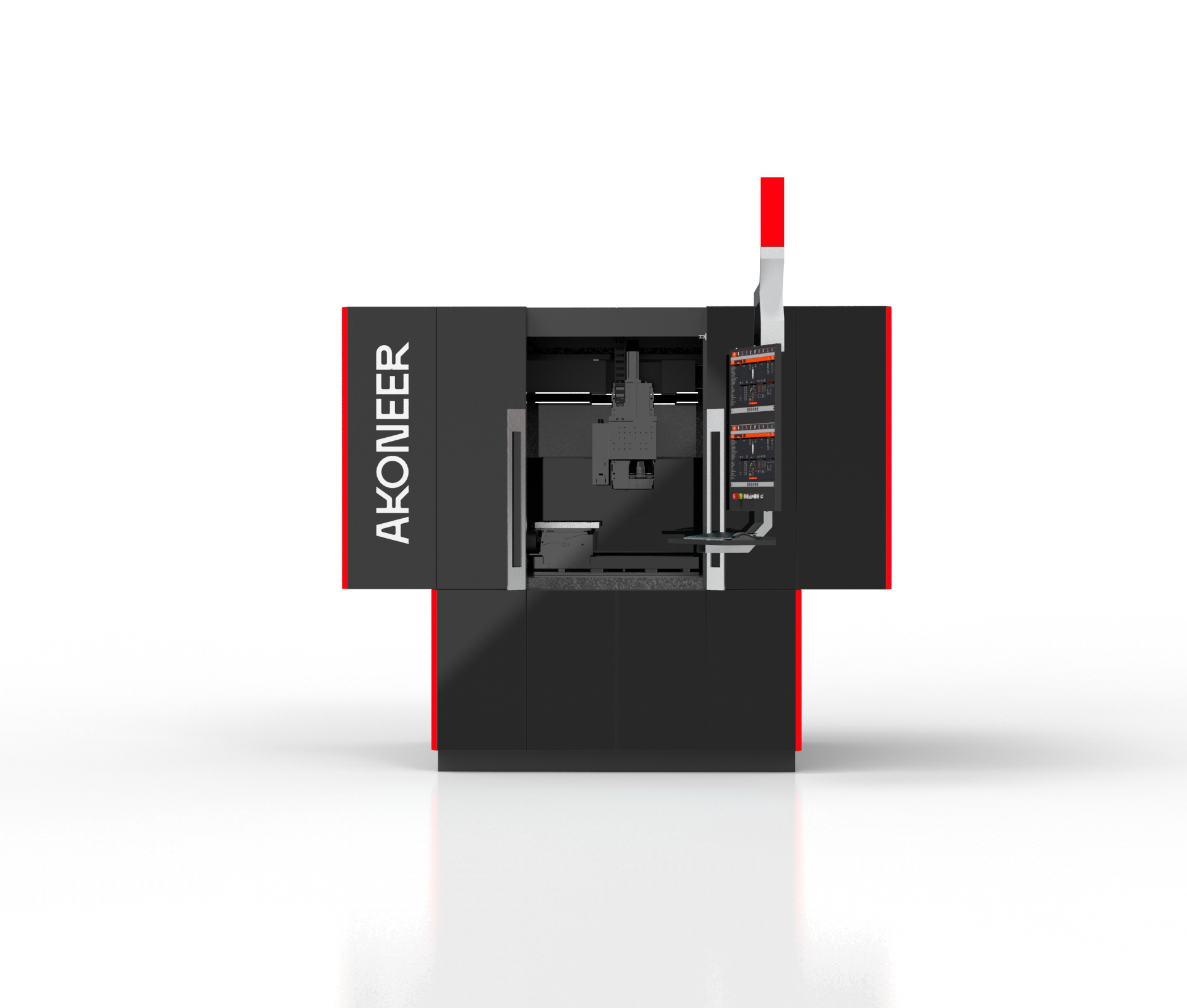
Laser marking has become an essential process in many industries due to its precision, speed, and versatility. However, a key challenge for manufacturers is ensuring that markings remain clear and legible over time, especially in environments prone to corrosion. The development of corrosion-resistant laser marking techniques addresses this issue, offering durable and reliable solutions for various applications.
Understanding laser marking
Laser marking uses a concentrated beam of light to create permanent marks on the surface of materials. This process involves techniques like etching, engraving, and annealing, each suited to different applications and material types. The laser alters the material's surface properties, producing high-contrast, readable markings. Industries such as automotive, aerospace, medical devices, and electronics widely use this technology for traceability and brand visibility. For instance, laser systems with power levels ranging from 2 to 6 kW are common, providing the capability to mark materials up to 3 mm thick with repeatability as precise as ±0.02 mm.
Challenges of corrosion in marked surfaces
Corrosion naturally deteriorates materials, particularly metals, through chemical reactions with environmental elements like oxygen and moisture. In industrial settings, where marked components might face harsh conditions, corrosion can significantly diminish the clarity and legibility of laser markings. This degradation leads to operational inefficiencies, safety risks, and regulatory compliance issues, especially in sectors where traceability is legally required.
Materials and techniques for corrosion-resistant marking
Producing corrosion-resistant laser markings requires selecting suitable materials and techniques. Stainless steel, titanium, and specific treated aluminum alloys are commonly used due to their inherent resistance to corrosion. The annealing technique is often preferred for these materials, as it involves heating the surface without removing any part of it, thus preserving its original corrosion resistance.
Annealing creates markings by altering the material's color through controlled oxidation. This method is ideal for stainless steel and titanium, producing high-contrast marks level with the surface, avoiding grooves or indentations where corrosive agents can accumulate. Consequently, markings are both visually appealing and robust against environmental challenges.
Applications in critical industries
Corrosion-resistant laser marking is crucial in industries with stringent quality and safety standards. For example, in the medical device sector, instruments and implants must be marked with unique identifiers that remain legible throughout their service life, even after repeated sterilization cycles. Laser marking provides a biocompatible, permanent solution that withstands these rigorous conditions.
Similarly, in the aerospace industry, components are often exposed to extreme temperatures and atmospheric conditions. Corrosion-resistant markings ensure that parts can be tracked and identified throughout their lifecycle, maintaining compliance with safety regulations and facilitating maintenance procedures. Airbus, for example, uses laser marking technology to ensure the traceability of components, enhancing safety and operational efficiency.
Advantages over traditional marking methods
Compared to traditional marking methods like inkjet or stamping, laser marking offers several advantages. It is a non-contact process, meaning there is no physical wear on the marking equipment or the material itself, reducing maintenance costs and downtime. Additionally, laser marking produces highly precise and consistent markings, essential for applications where readability and accuracy are paramount.
Laser marking is also environmentally friendly. It does not require consumables like inks or chemicals, reducing waste and eliminating the need for hazardous materials handling. The process is energy-efficient and can be easily automated, further enhancing its appeal to manufacturers looking to improve sustainability and efficiency. Typical systems can achieve cutting speeds of 30 m/min, significantly boosting productivity.
Future trends and developments
As technology evolves, the capabilities of laser marking systems continue to expand. Advances in laser technology, such as ultrafast lasers and improved beam quality, enhance the precision and speed of marking processes. These developments are likely to lead to even more robust and versatile corrosion-resistant marking solutions.
Furthermore, the integration of laser marking with smart manufacturing systems and the Internet of Things (IoT) is paving the way for more intelligent and automated production lines. This connectivity allows for real-time monitoring and data analysis, optimizing production processes and ensuring consistent quality control.
Laser marking corrosion-resistant solutions are a critical advancement for industries requiring durable and reliable identification methods. By selecting appropriate materials and techniques, manufacturers ensure their products withstand corrosive environments while maintaining clear and legible markings. The advantages over traditional methods, combined with ongoing technological innovations, make laser marking an increasingly essential tool in modern manufacturing. As industries continue to embrace this technology, the potential for improved product traceability, safety, and efficiency grows, positioning laser marking as a cornerstone of industrial processes now and into the future.