Laser marking in the automotive industry
Laser marking technology is fundamental to the automotive industry's evolution, enhancing production efficiency, quality assurance, and compliance with durable and efficient marking solutions.
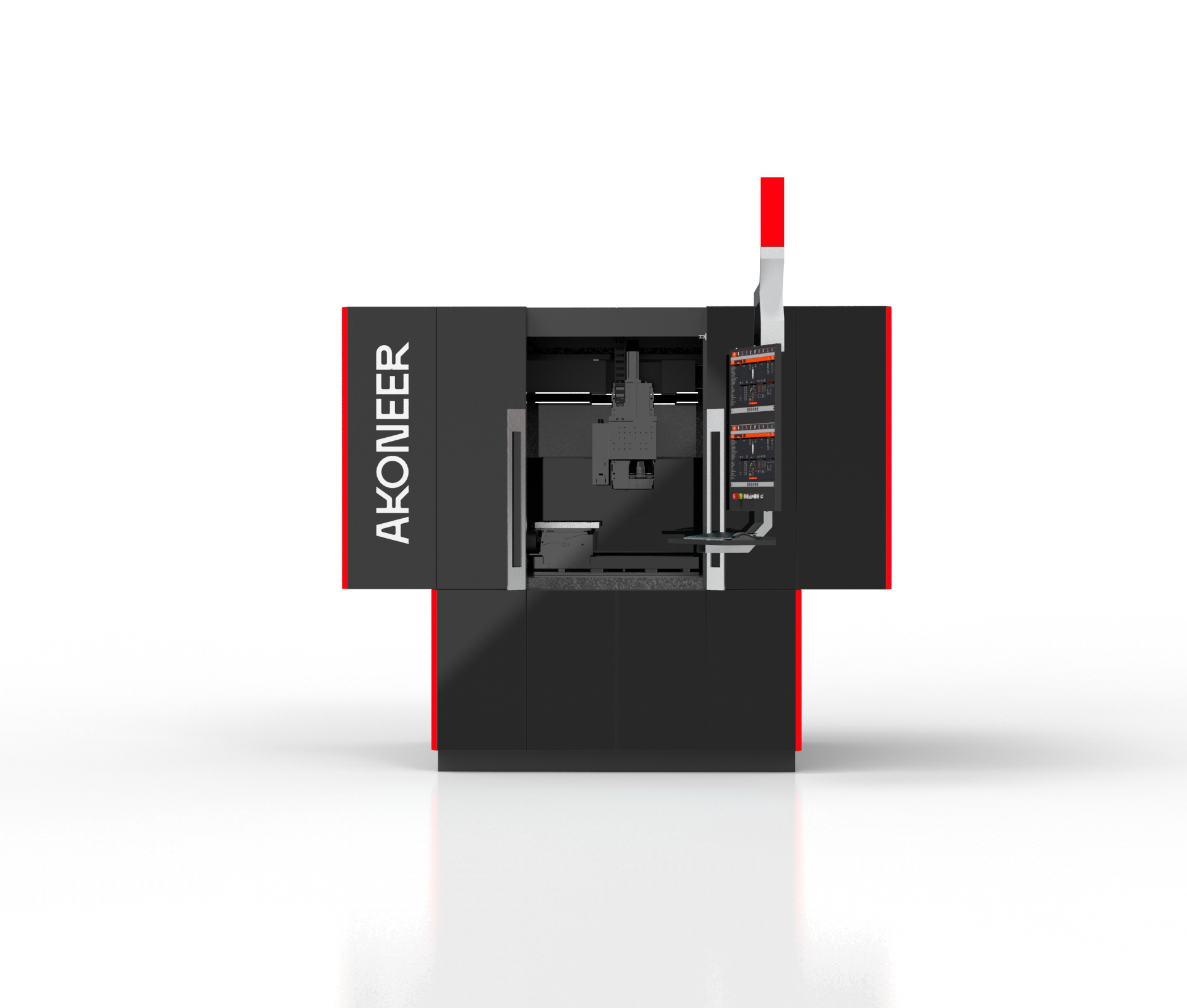
The automotive industry is undergoing a transformative phase, with laser marking technology playing a crucial role in this evolution. Laser marking involves using a laser beam to engrave or mark objects. Its precision, speed, and permanence make it ideal for the stringent demands of automotive manufacturing. This article explores laser marking applications in the automotive sector, its benefits, and its impact on production and quality assurance.
Applications in automotive manufacturing
Laser marking has diverse applications in the automotive industry, serving functions from marking critical components to enhancing safety measures. One primary use is part identification. Every component in a vehicle, from engine parts to dashboard elements, requires a unique identifier for traceability and quality control. Laser marking provides a permanent solution for marking serial numbers, barcodes, and QR codes that can withstand harsh environments.
Another vital application is branding and labeling. Automotive manufacturers use laser marking to engrave logos, compliance labels, and instructional markings on various parts. This helps maintain brand consistency and ensures that markings remain legible throughout the vehicle's lifespan. The precision of laser marking allows for intricate designs, crucial for aesthetic components like control buttons and decorative trims.
Advantages of laser marking in automotives
Laser marking offers several advantages over traditional methods like stamping or ink-jet printing. A significant benefit is durability. Laser-made marks resist abrasion, heat, and chemicals, ensuring longevity and reliability. This permanence is essential for maintaining the integrity of safety and identification marks over time.
The precision of laser technology is another key advantage. Laser marking achieves high-resolution marks that are accurate and consistent, allowing for the marking of small and complex designs. This precision is particularly important for parts requiring detailed specifications, such as circuit boards and microchips. Typical laser systems operate at power levels ranging from 2–6 kW, achieving repeatability as precise as ±0.02 mm.
Speed and efficiency are also noteworthy. Laser marking systems can operate at high speeds, significantly reducing production time compared to other methods. This efficiency is crucial in the fast-paced automotive industry, where time savings can translate into significant cost reductions. For instance, BMW's use of laser marking technology has decreased their production time by approximately 20%, enhancing overall efficiency. Additionally, because laser marking is a non-contact process, it reduces the risk of damaging components, further enhancing production efficiency.
Role in quality assurance and traceability
In the automotive industry, quality assurance is paramount. Laser marking plays a pivotal role in part traceability, a critical aspect of quality control. Each marked component can be tracked throughout the manufacturing process, allowing for quick identification and resolution of defects. This traceability ensures issues can be traced back to their source, facilitating better quality management and compliance with industry standards.
Moreover, laser marking contributes to counterfeit prevention. With growing concerns over counterfeit parts, laser marking offers a reliable method for authenticating genuine components. The permanence and complexity of laser marks make replication difficult for counterfeiters, protecting both manufacturers and consumers.
Impact on safety and compliance
Safety and compliance are integral to automotive manufacturing, and laser marking significantly contributes to these areas. By ensuring all parts are properly marked and identifiable, laser marking helps maintain compliance with regulatory standards, such as those mandated by the International Organization for Standardization (ISO) and other governing bodies.
Laser marking also enhances safety by enabling the clear labeling of safety features and instructions. For instance, emergency exits, airbag locations, and maintenance instructions can be laser-marked for easy visibility and understanding, ensuring safety information is always accessible and legible.
Sustainability and environmental benefits
In addition to its functional benefits, laser marking is environmentally friendly. The process does not require consumables like inks or chemicals, reducing waste and environmental impact. Moreover, its energy efficiency and ability to operate without contact minimize resource consumption. This aligns with the automotive industry's increasing focus on sustainable practices and reducing its carbon footprint.
The future of laser marking in automotives
As the automotive industry continues to evolve with advancements in technology and materials, laser marking is poised to become even more integral. The rise of electric and autonomous vehicles, which require specialized components and intricate electronic systems, will likely increase the demand for precise and reliable marking solutions. Furthermore, as regulatory requirements become more stringent, the need for robust traceability and quality assurance measures will drive further adoption of laser marking technology.
In summary, laser marking is an essential component of modern automotive manufacturing. Its ability to provide durable, precise, and efficient marking solutions makes it invaluable for part identification, quality assurance, and compliance. As the industry continues to innovate, laser marking will remain at the forefront, ensuring vehicles are built to the highest standards and aligned with the future of automotive technology.