Laser marking applications
Laser marking offers an accurate, durable, and environmentally friendly method for product identification across various industries.
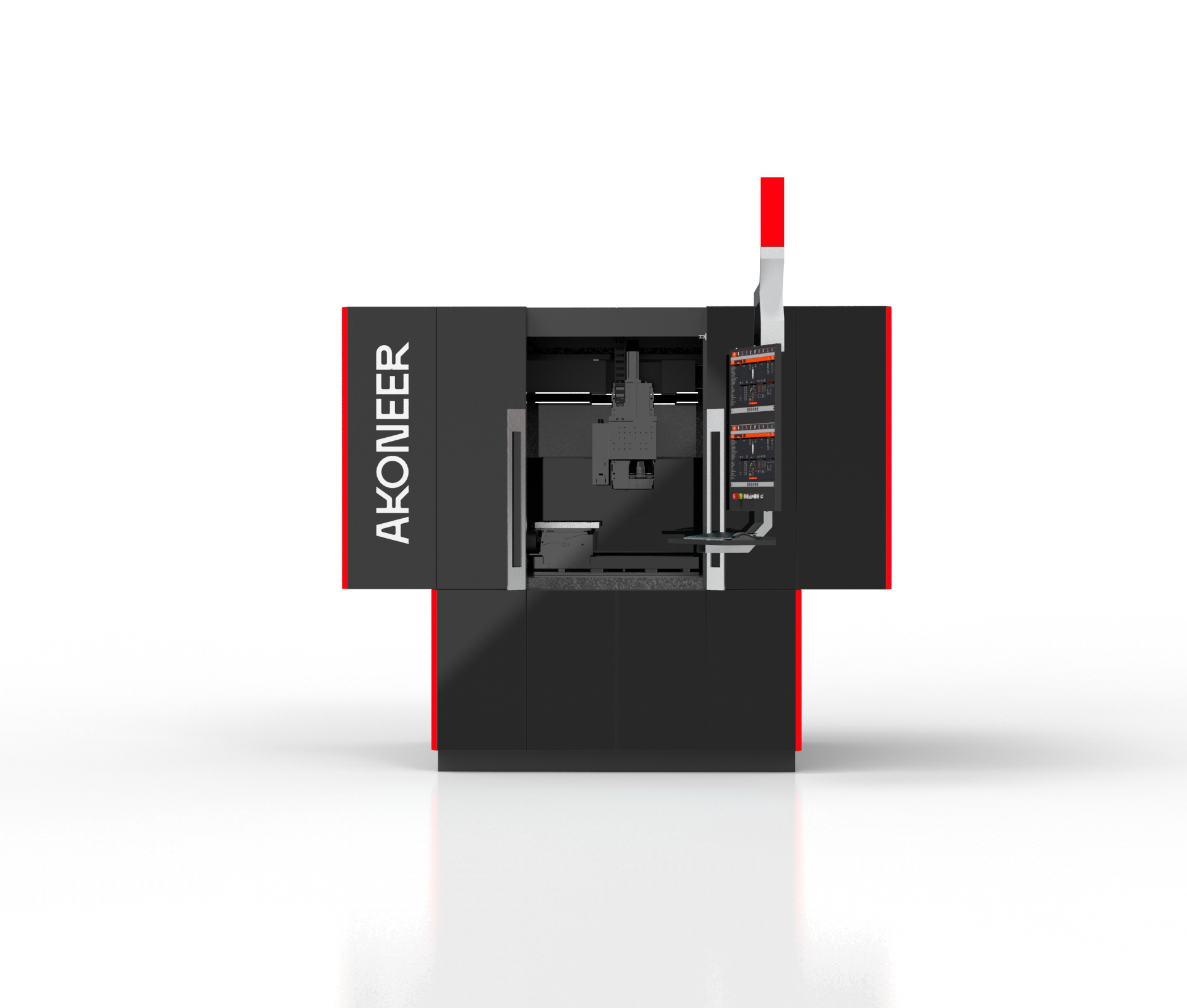
The technological advancement of laser marking has revolutionized product identification, tracking, and authentication across various industries. This article delves into the diverse applications of laser marking, exploring its benefits, techniques, and specific industry uses.
Understanding laser marking
Laser marking uses concentrated light beams to etch, engrave, or mark materials with precision. It is distinct from other methods, offering unparalleled accuracy and durability without chemicals, making it environmentally friendly. The process can be applied to metals, plastics, ceramics, and glass, allowing versatile applications across numerous sectors. For instance, the precision of laser marking can reach repeatability of ±0.02 mm, making it suitable for intricate designs.
The benefits of laser marking
Laser marking provides several advantages over traditional methods. One primary benefit is its permanence; marks do not fade over time and resist wear and tear, ensuring long-lasting identification. The process's precision allows for intricate designs and detailed markings, crucial for creating barcodes, serial numbers, and logos. Additionally, laser marking operates at speeds up to 30 m min⁻¹, reducing production time and costs while maintaining high-quality output.
Common techniques in laser marking
Several techniques are used in laser marking, each suitable for different materials and applications. Laser engraving removes material to create a visible mark, ideal for metals and hard plastics. Laser etching alters the surface without removal, suitable for softer materials like wood and leather. Laser annealing, primarily for metals, creates marks through oxidization, smooth to the touch. Laser ablation removes coatings to reveal underlying surfaces, often used for color change effects.
Industrial applications of laser marking
In the automotive industry, laser marking ensures traceability throughout the supply chain by marking engine components, transmission parts, and safety features. The electronics industry relies on laser marking for labeling circuit boards and electronic components, where precision and miniaturization are crucial. The medical sector benefits as well; medical devices and surgical instruments receive unique identifiers to comply with regulatory requirements and prevent counterfeiting. BMW has implemented laser marking for part identification, enhancing efficiency and traceability in its production line.
Laser marking in consumer products
Consumer products frequently utilize laser marking for branding and personalization. Jewelry and luxury goods often feature laser-engraved logos or serial numbers, enhancing brand authenticity and value. In the packaging industry, laser marking creates clear and legible expiration dates and batch numbers, ensuring consumer safety. Additionally, personal electronics like smartphones and laptops benefit from laser marking for serial numbers and company branding, providing both aesthetic appeal and functionality.
Laser marking in aerospace and defense
The aerospace and defense industries demand high precision and reliability, making laser marking an ideal solution. Aircraft components and military equipment are marked with traceability codes to ensure compliance with stringent safety standards. Laser marking provides a permanent and tamper-proof method for identifying parts, crucial for maintenance and inventory management. Moreover, the process maintains the structural integrity required in these critical applications.
Environmental and economic impact
Laser marking contributes to sustainability and economic efficiency. The process eliminates the need for consumables like inks and solvents, reducing waste and environmental impact, aligning with sustainable manufacturing practices. Economically, laser marking can lead to significant cost savings by streamlining production processes and reducing material waste. The durability of laser-marked products means fewer returns and replacements, further enhancing cost-effectiveness.
Future prospects of laser marking
As technology advances, the future of laser marking looks promising. Innovations are expected to improve precision and speed, opening up possibilities for complex and high-volume applications. The integration of laser marking with digital technologies such as blockchain and the Internet of Things (IoT) could enhance traceability and authentication capabilities in supply chain management. With continuous research and development, laser marking is poised to remain a vital tool across various industries, adapting to new challenges and demands.
Laser marking stands out as a versatile and efficient solution for product identification and branding across numerous sectors. Its precision, durability, and environmental benefits make it a preferred choice for manufacturers aiming to improve quality and sustainability. As industries continue to evolve, laser marking will undoubtedly play a crucial role in shaping the future of manufacturing and product identification.