Laser marking on aluminum
Laser marking on aluminum is a versatile technology essential for permanent identification in various industries, including automotive, aerospace, and electronics.
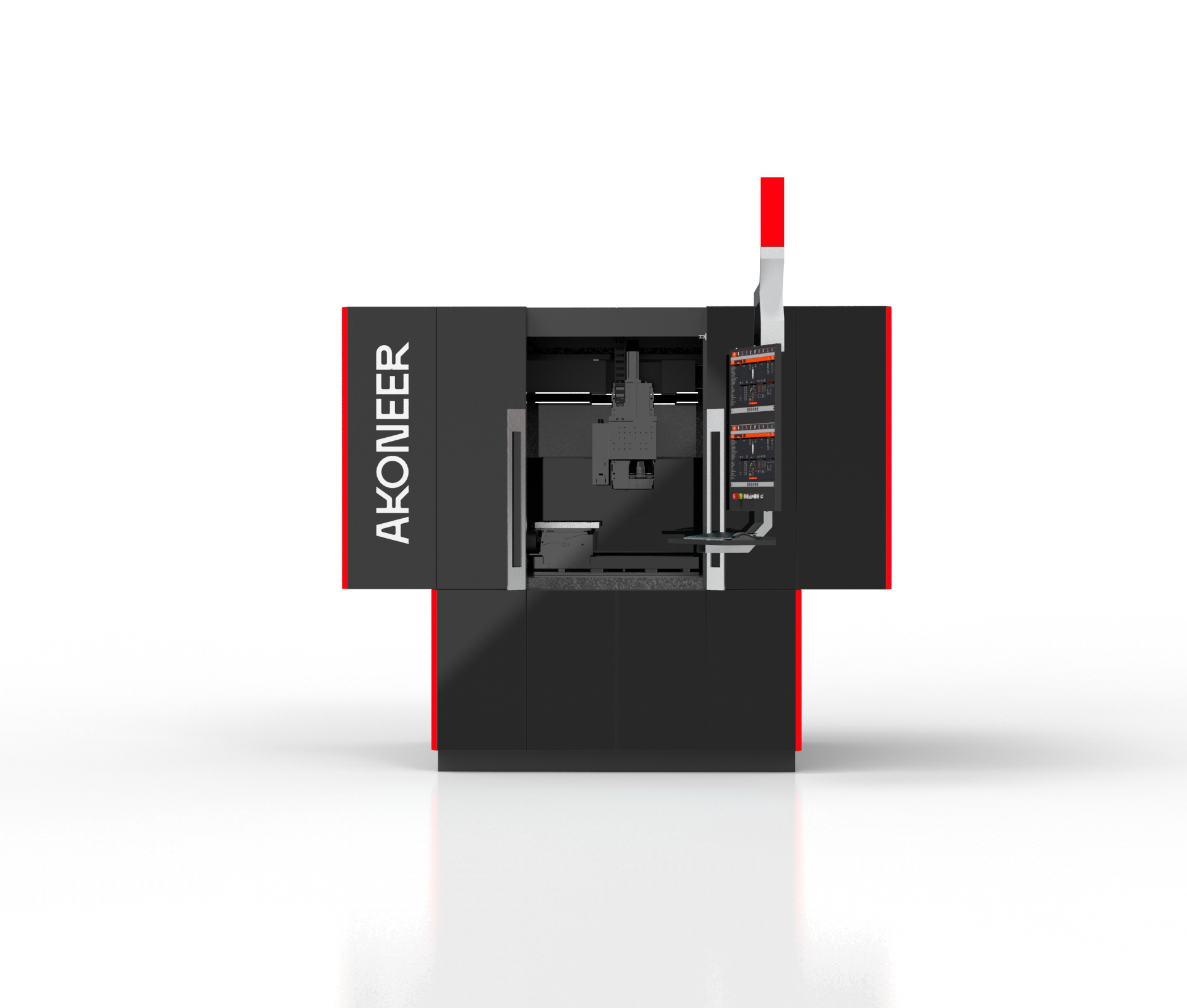
Laser marking on aluminum is a rapidly advancing technology in manufacturing and industrial applications. This process employs laser technology to create permanent marks on aluminum surfaces, including barcodes, logos, serial numbers, and text. Offering precision, speed, and flexibility, laser marking is indispensable in sectors such as automotive, aerospace, electronics, and consumer products. Mastering the nuances of laser marking on aluminum can help industries optimize production and enhance product quality.
Understanding the process of laser marking
Laser marking on aluminum uses a focused light beam to alter the material's surface layer. Techniques such as annealing, engraving, etching, or ablation are applied depending on the desired result. Each method causes distinct interactions between the laser and the aluminum, affecting the mark's depth, color, and texture. Annealing uses a low-intensity laser to heat aluminum, altering its color without removing material, ideal for corrosion-resistant marks. Engraving removes material to create deep, tactile marks suitable for high-wear environments. Etching and ablation are similar but focus on creating shallow marks or cleaning surface layers. The method choice depends on factors like material thickness, mark permanence, and environmental conditions.
Advantages of laser marking on aluminum
The advantages of laser marking on aluminum are numerous. Precision and clarity are achieved without physical contact, minimizing wear on equipment and avoiding damage to the aluminum surface. The process offers repeatability with a repeatability tolerance of ±0.02 mm, ensuring consistent quality across production runs. Speed is another significant benefit, with laser systems able to switch rapidly between tasks, boosting production efficiency. They can achieve marking speeds of up to 30 m/min. The technology's flexibility allows for easy mark customization, vital in industries where traceability and branding are crucial.
Laser marking is also environmentally friendly. Unlike traditional methods, it requires no inks, chemicals, or solvents, reducing waste and hazardous materials handling. This aligns with the increasing demand for sustainable manufacturing practices.
Applications in various industries
Laser marking on aluminum is employed across diverse industries for its versatility and reliability. In the automotive industry, it marks parts with serial numbers, barcodes, and manufacturer information, ensuring traceability and compliance with standards. The aerospace sector uses it for similar purposes and safety-critical components where permanence and readability are essential. The electronics industry benefits from laser marking's precision, labeling circuit boards and components with information that withstands high temperatures and harsh environments. In consumer products, laser marking brands items, adding logos and decorative elements to aluminum products like smartphones and kitchen appliances.
Challenges and considerations
Despite its advantages, laser marking on aluminum presents challenges. Selecting the appropriate laser type and settings is crucial, influenced by factors such as aluminum alloy, surface finish, and desired mark characteristics. Fiber lasers are commonly used for marking aluminum due to their efficiency and ability to produce high-quality marks. Typical power ranges for these lasers are between 20 to 100 watts.
The initial cost of laser marking equipment is another consideration. While long-term benefits and cost savings often outweigh this expense, careful planning and budgeting are essential. Operators must be trained to handle laser equipment safely and efficiently to maximize capabilities. One real-world example is Bosch, a leading global supplier of technology and services, which uses laser marking to improve the traceability of its automotive components, resulting in a 30% reduction in production errors.
Future trends in laser marking technology
The future of laser marking on aluminum is promising, with ongoing advancements in technology. Developments in laser sources, such as ultrafast lasers, are opening new possibilities for marking speed and quality, promising greater precision and the ability to mark a wider range of materials and surface conditions. Automation and integration with Industry 4.0 technologies are shaping the future of laser marking. Smart manufacturing systems incorporating laser marking can enhance traceability, improve quality control, and reduce human error. As industries embrace digitalization, systems offering connectivity and data collection capabilities will become increasingly valuable.
In summary, laser marking on aluminum is a versatile and efficient technology providing numerous benefits across industries. As technology advances, laser marking capabilities will expand, offering manufacturers new opportunities to improve processes and products. With its precision, speed, and environmental advantages, laser marking remains a vital tool in modern manufacturing.