Laser induced deep etching
Laser induced deep etching (LIDE) enhances manufacturing by enabling intricate engravings on diverse materials with controlled laser technology.
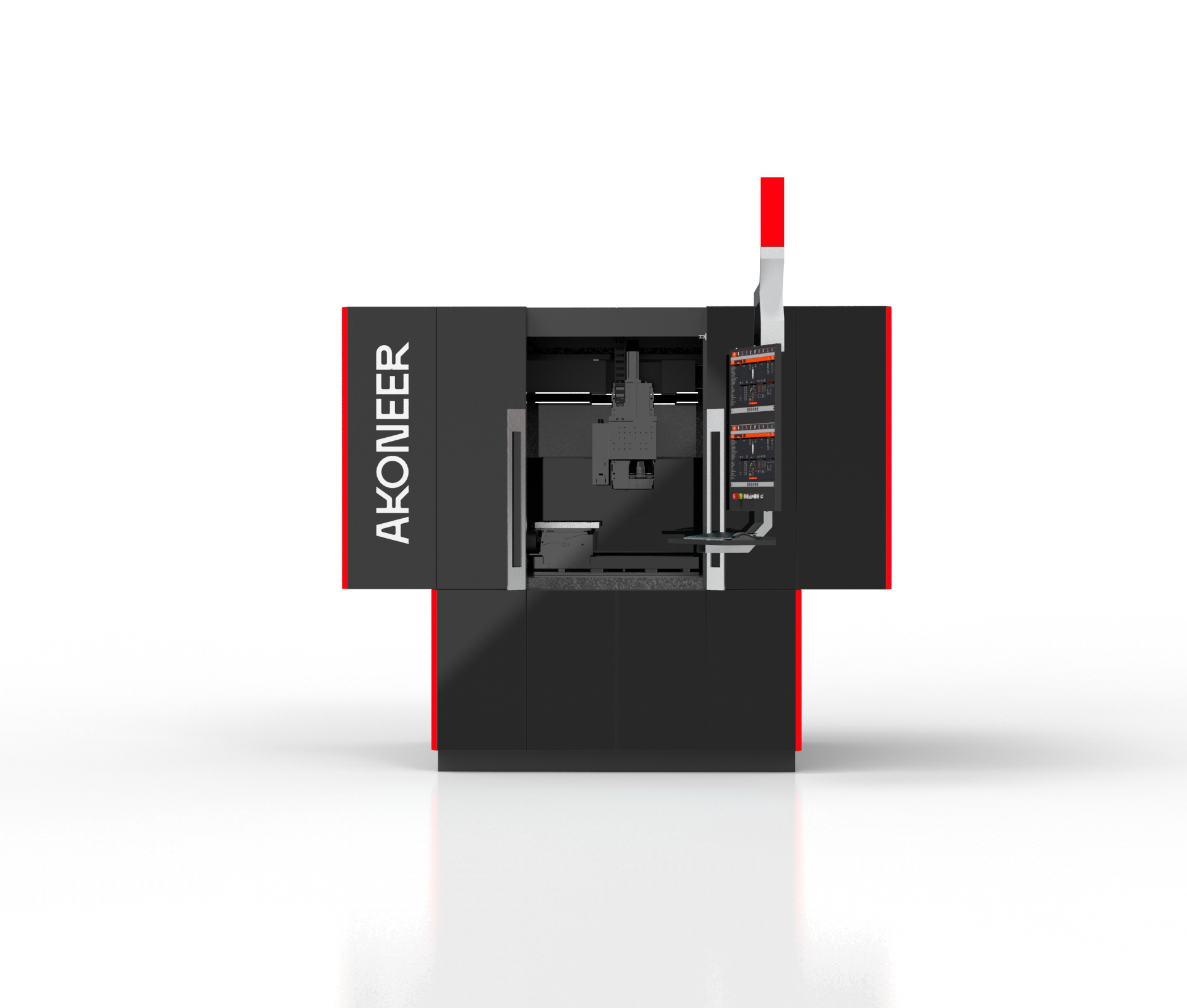
Laser induced deep etching (LIDE) represents a significant advancement in precision manufacturing and material processing. This technology uses a laser to create deep, precise engravings on various materials. The process is highly controlled, enabling intricate designs and patterns that traditional methods find challenging. As industries demand more complex and precise applications, LIDE has emerged as a vital tool, offering unmatched accuracy and flexibility.
Understanding the basics of laser induced deep etching
At its core, LIDE uses a high-powered laser beam to remove material from a surface. The laser's energy, concentrated in a small area, vaporizes the material, leaving a precise groove or cavity. This process is controlled by adjusting the laser's power, speed, and focus, allowing for varying depths and widths of etching. Typical parameters might include a laser power range of 2–6 kW, with a kerf width of approximately 0.1 mm and repeatability of ±0.02 mm. The precision of LIDE is ideal for applications requiring intricate details or complex geometries. Unlike mechanical methods, laser etching does not involve physical contact with the material, reducing tool wear and minimizing the risk of damaging the workpiece.
Applications across various industries
The scope of laser induced deep etching extends across multiple industries. In electronics, it creates microchannels and patterns on circuit boards, enabling more compact and efficient designs. The automotive industry uses LIDE for engraving intricate designs on dashboards and interior components, combining aesthetic appeal with functional precision. In the medical field, LIDE marks surgical instruments and creates micro-scale texturing on implants, improving osseointegration. Additionally, the aerospace industry relies on this technology to produce lightweight components with complex geometries, enhancing performance without compromising strength. For instance, Bosch has integrated LIDE to improve efficiency in producing micro-electromechanical systems (MEMS), reducing production time by 30%.
Advantages of laser induced deep etching
LIDE offers high precision without sacrificing speed. Traditional etching methods can be slow and labor-intensive, but lasers complete tasks efficiently. The non-contact nature of laser etching reduces the likelihood of material deformation, ensuring even delicate materials can be processed without damage. Furthermore, laser etching is highly versatile, compatible with metals, ceramics, glass, and polymers. This flexibility allows manufacturers to use a single etching system for diverse applications, streamlining production and reducing costs.
Technical considerations and challenges
While LIDE offers many benefits, it also presents technical challenges. Material properties such as thermal conductivity, reflectivity, and melting point can affect the etching process. For instance, materials with high reflectivity may require lasers with specific wavelengths to ensure efficient energy absorption. Additionally, the depth and precision of etching depend on careful calibration of laser parameters, which requires skilled operators and sophisticated software. Heat-affected zones (HAZ) can be a concern, as excessive heat can alter material properties or cause unwanted deformation. Mitigating these challenges involves using advanced cooling systems and optimizing laser settings to maintain the integrity of the etched material.
Future prospects and innovations
As technology advances, the potential for LIDE is expanding. Research is ongoing to develop more powerful and efficient lasers, which could further improve etching precision and speed. Innovations in laser control software enhance the ability to produce complex designs with minimal human intervention. As industries increasingly adopt sustainable practices, the reduced material waste and energy consumption of LIDE make it attractive for eco-conscious manufacturers. The integration of artificial intelligence and machine learning into laser systems promises to revolutionize the field, enabling real-time adjustments and predictive maintenance to optimize performance.
Laser induced deep etching has proven to be a transformative technology in precision manufacturing. Its ability to deliver high-quality, intricate designs across a broad range of materials and industries underscores its significance. By understanding the principles, applications, and technical considerations of LIDE, manufacturers can harness its full potential to innovate and stay competitive in a rapidly evolving market. As advancements continue to emerge, laser etching is poised to play an increasingly pivotal role in shaping the future of manufacturing and material processing.