Laser glass etching machine
Laser glass etching machines offer efficient and versatile solutions for intricate designs across various industries.
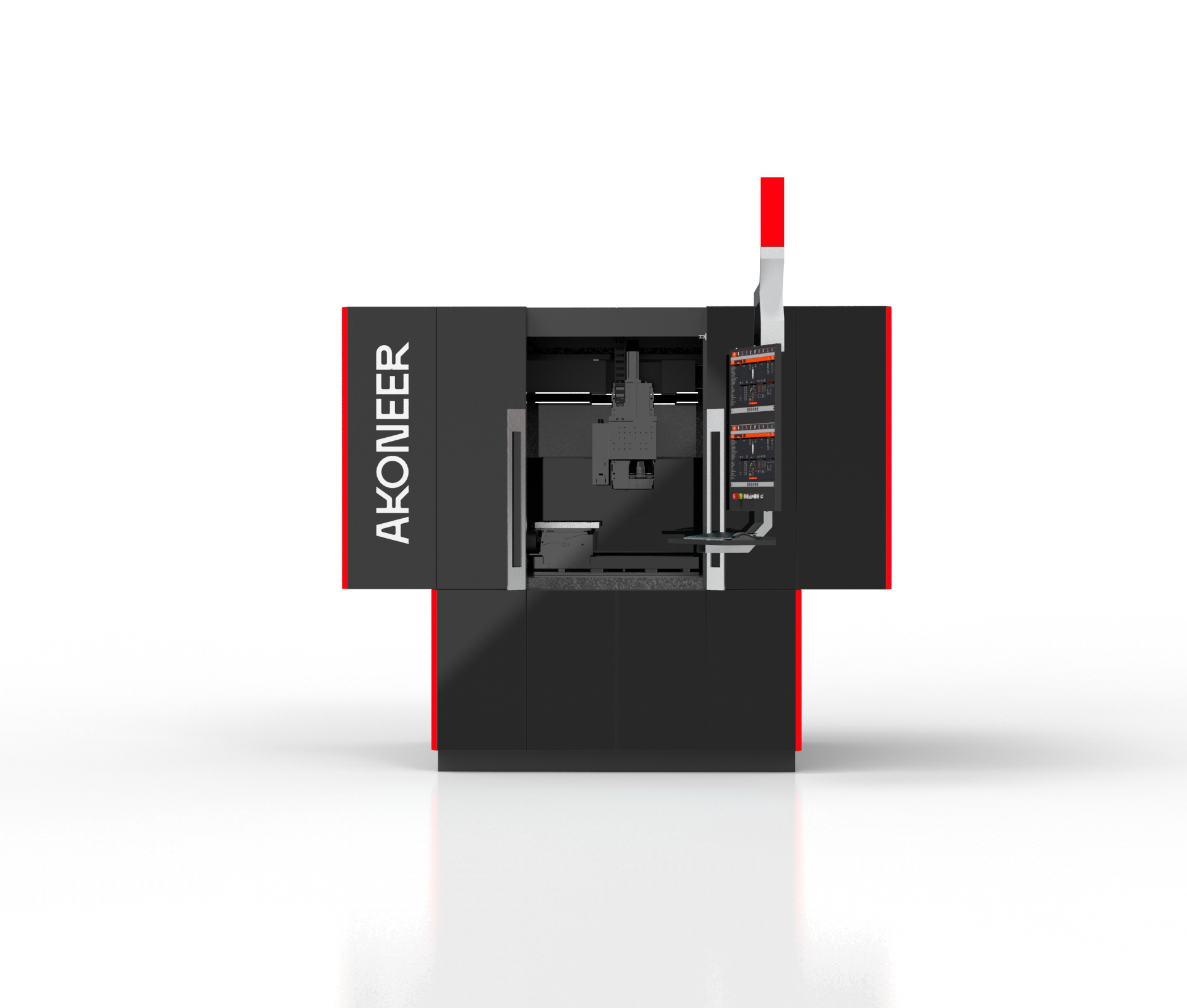
The advent of laser technology has revolutionized various industries, offering precision and efficiency unparalleled by traditional methods. Among these innovations is the laser glass etching machine, a sophisticated tool that has transformed the art of glass etching. This machine combines the power of lasers with advanced software to create intricate designs on glass surfaces, providing numerous applications across multiple sectors.
Understanding laser glass etching
Laser glass etching uses high-powered lasers to engrave or mark glass surfaces. Unlike traditional methods that use abrasives or acids, lasers offer a contactless approach, eliminating physical wear on the glass and machine. This results in cleaner, more precise outcomes. Computer software controls the laser beam to trace designs onto the glass, allowing for highly detailed patterns that are hard to achieve manually. The precision in customization makes laser glass etching ideal for artistic and industrial applications.
The technology behind laser glass etching machines
The core of a laser glass etching machine is the laser, which varies in type and power based on application needs. Common lasers include CO2 lasers and fiber lasers. CO2 lasers, popular for cutting and engraving non-metallic materials like glass, wood, and acrylic, operate by emitting continuous infrared light that fractures glass in a controlled manner. Fiber lasers, known for high precision and speed, are suitable for detailed etching tasks. These machines offer a repeatability of ±0.02 mm, ensuring consistent quality.
An example of a company benefiting from this technology is CrystalEdge, which uses laser glass etching machines to produce custom glass awards. By using this method, they have increased production speed by 30%, allowing them to fulfill large orders faster without sacrificing quality.
The machine includes a computer-controlled interface for operators to design and upload intricate patterns. Software allows users to adjust the laser's intensity, speed, and focus, ensuring optimal results. This combination of advanced laser technology and sophisticated software provides an efficient and versatile tool for various applications.
Applications of laser glass etching machines
The versatility of laser glass etching machines makes them invaluable across different industries. In architecture, they create decorative glass panels and customized windows, offering architects and designers creative possibilities. In consumer goods, they personalize items like glassware, awards, and trophies, enabling cost-effective production of customized products in large quantities. The automotive industry uses laser etching to mark serial numbers and essential information on glass components.
Moreover, in electronics, laser glass etching is used for marking and labeling components, ensuring even the smallest parts are accurately labeled without damage. This capability is crucial for maintaining quality control and traceability in manufacturing processes.
Advantages of using laser glass etching machines
One primary advantage of laser glass etching machines is their precision. They allow exact control over the depth and intensity of the etch, resulting in high-quality finishes with intricate detail. This precision is crucial where accuracy is paramount.
Another advantage is process efficiency. Laser etching is faster than traditional methods, allowing higher production rates without compromising quality. The contactless nature minimizes machine wear, reducing maintenance costs.
These machines are versatile, handling various glass types and thicknesses, allowing users to switch projects without additional equipment. This adaptability is significant in industries where innovation and customization are key.
Considerations when choosing a laser glass etching machine
Several factors should be considered when selecting a laser glass etching machine to meet specific application needs. The type of laser is critical, offering varying levels of precision and power. Users should also consider the work area size, which determines the maximum size of glass pieces that can be etched. With cutting speeds reaching up to 30 m/min, efficiency is a vital factor.
Software compatibility is essential. The machine’s software should be user-friendly and compatible with the design programs used by the operator. Additionally, customer support and training availability can be crucial for maximizing the machine's capabilities.
Lastly, evaluate the machine's cost and operational expenses. While these machines can represent a significant investment, the long-term benefits in efficiency, precision, and versatility often justify the initial outlay.
Future trends in laser glass etching
As technology advances, laser glass etching machines are expected to become more efficient and versatile. Innovations in laser technology, like more powerful and precise lasers, will likely expand application ranges and improve production speeds. Advancements in software may enhance design capabilities, allowing more complex patterns.
Sustainability is becoming increasingly important in manufacturing. Future machines may incorporate more energy-efficient components and processes, reducing environmental impact. As industries prioritize eco-friendly practices, the demand for sustainable laser etching solutions is expected to grow.
In summary, laser glass etching machines represent a powerful tool combining precision, efficiency, and versatility. Their applications span multiple industries, offering creative and practical solutions for a wide variety of needs. As technology evolves, these machines are poised to play an even more significant role in the future of glass etching.