Laser glass etching
Laser glass etching enhances the creation of intricate designs on glass surfaces, offering new possibilities in artistic, commercial, and industrial applications.
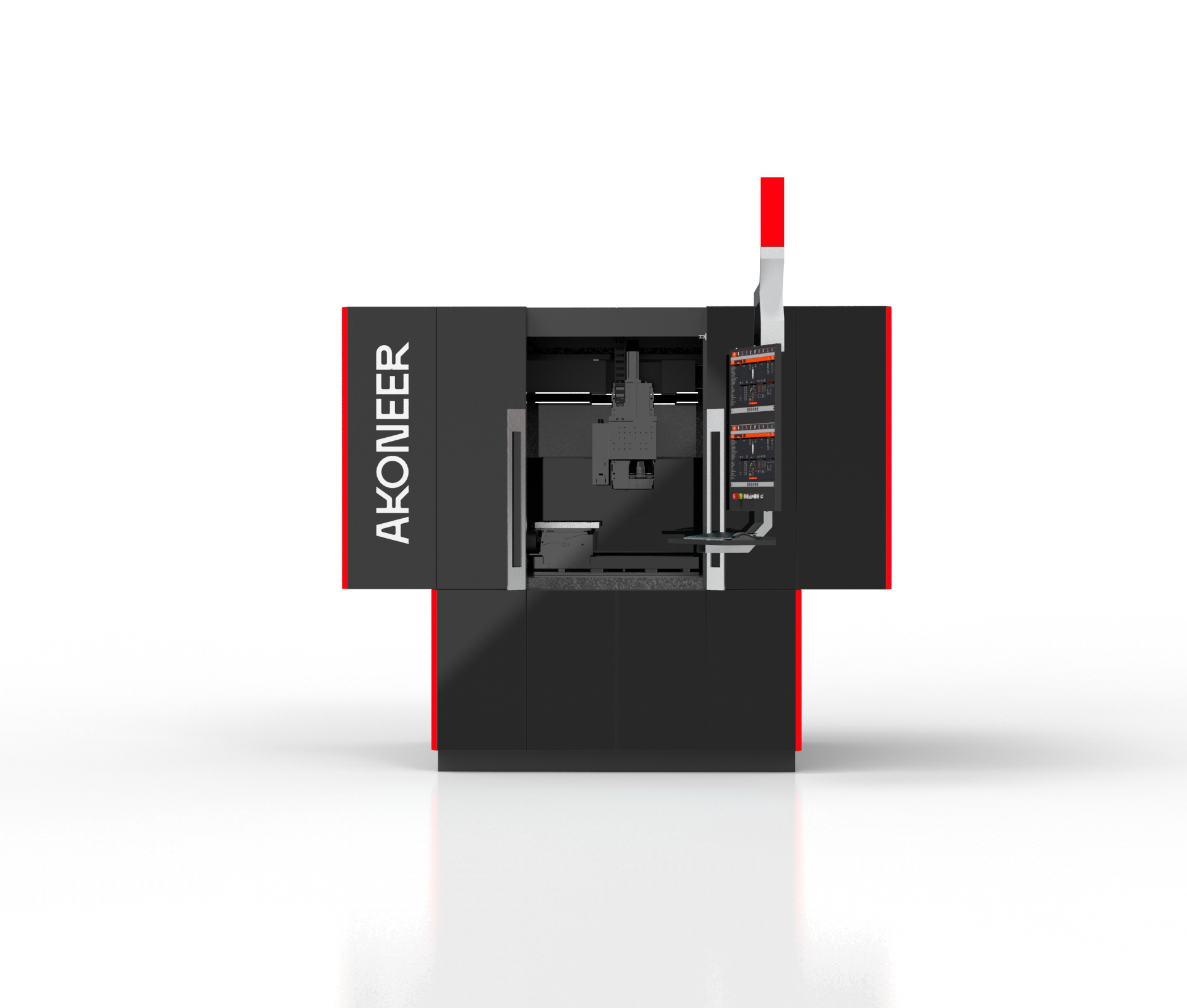
The art of glass etching has undergone a revolutionary transformation with laser technology. Offering precision and flexibility unmatched by traditional techniques, laser glass etching has become increasingly popular among artists, manufacturers, and hobbyists. This process employs laser beams to create intricate designs on glass surfaces, with applications ranging from custom glassware to industrial components. Understanding how laser glass etching works, its advantages, applications, and considerations provides a comprehensive view of this innovative technique.
How laser glass etching works
Laser glass etching involves using a laser to remove a thin layer of glass, creating a frosted appearance. High-energy laser beams precisely target the surface without physical contact, with the laser's intensity and movement controlled by computer software. This enables the creation of intricate designs with consistent results. The laser's heat causes localized melting and vaporization, leaving etched patterns that can be as simple or complex as desired. The precision of laser technology allows for detailed artistic designs, logos, text, and even photographs to be etched onto glass.
Advantages of laser glass etching
The advantages of laser glass etching are numerous and significant. One primary benefit is precision, allowing for detailed and accurate designs, especially important in custom glassware or intricate artistic pieces. The non-contact nature of the process minimizes physical stress, reducing the risk of damage. Laser etching is faster than traditional methods, often requiring multiple steps and manual labor. It is versatile, compatible with various glass types and shapes, from flat panels to curved surfaces. For instance, a CO2 laser with a power range of 30–150 watts can achieve a kerf width of approximately 0.1 mm, demonstrating its capability for fine detail.
Applications of laser glass etching
Laser glass etching finds diverse applications in both artistic and industrial domains. In the commercial sector, it's widely used for customized glassware like engraved wine glasses or decorative vases. Businesses often use laser etching to brand products with logos or text, adding a personalized touch. In the art world, laser etching allows for complex patterns on glass, enhancing creativity. Industrial applications include marking glass components with identifiers or barcodes, essential for quality control. For example, a major electronics firm uses laser etching to mark glass components, improving inventory management efficiency by 25%. Additionally, laser etching enhances architectural projects by adding decorative elements to glass panels and windows.
Materials and equipment used in laser glass etching
The process requires specific materials and equipment. CO2 lasers, known for their efficiency in etching glass, are commonly used due to their wavelength compatibility. Glass types vary, including soda-lime, borosilicate, and optical glass, based on the application. Equipment includes a laser machine, computer with design software, and safety gear to protect operators. The software plays a crucial role, allowing users to create and edit designs before etching. Proper ventilation and dust extraction systems remove glass particles or fumes generated during etching.
Considerations and limitations
While laser glass etching offers numerous advantages, there are considerations and limitations. The initial investment in laser equipment can be significant, a substantial commitment for small businesses or individual artists. The process requires technical expertise to operate machinery and software, often necessitating training. Not all glass types are suitable; some may not respond well to the laser's heat, risking cracking or shattering. It's essential to consider environmental and safety implications, as the process can produce fine glass particles and fumes that require management. Despite these challenges, the benefits often outweigh drawbacks, especially for those valuing precision and versatility.
Future trends in laser glass etching
The future of laser glass etching looks promising, with ongoing advancements enhancing its capabilities. Innovations in laser technology are likely to lead to more efficient and versatile machines, capable of producing even more detailed and complex designs. As software becomes more sophisticated, users will have greater control, facilitating customizations previously difficult or impossible. Integration with other technologies, such as 3D printing, may open new possibilities for multi-dimensional glass art and components. As awareness and appreciation grow, applications are expected to expand into new industries and artistic domains.
Laser glass etching has revolutionized the approach to working with glass, offering precision, flexibility, and creativity that traditional methods can't match. Its wide range of applications and potential for innovation make it an exciting field with many opportunities for exploration and development. Whether for commercial, industrial, or artistic purposes, laser glass etching continues to shape the future of glass design and manufacturing.